Coal And Petroleum for Class 8 Science
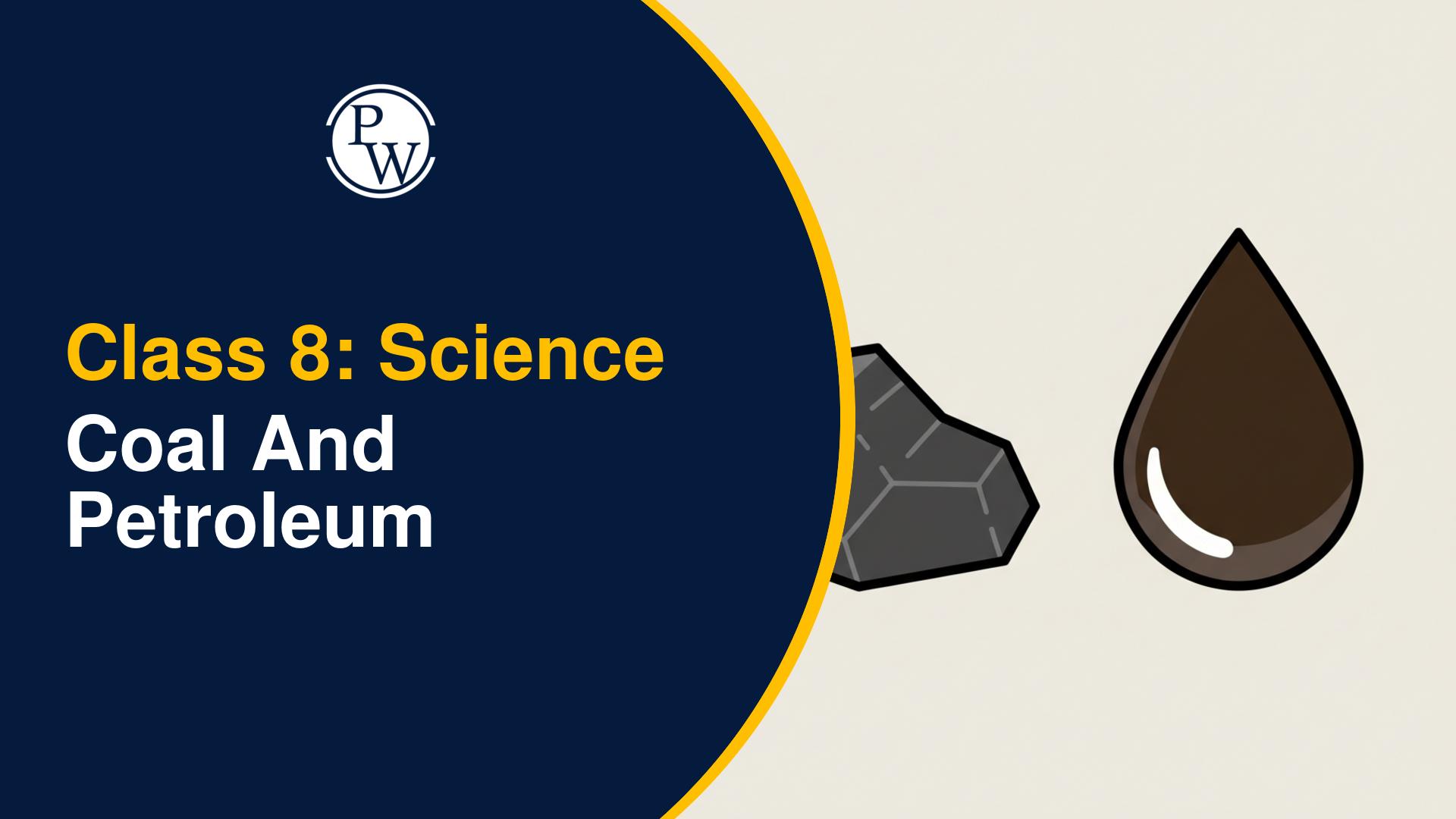
Coal and Petroleum are fossil fuels that we use every day for cooking, transport, and producing electricity. They come from dead plants and animals buried under the earth for millions of years. Both are exhaustible resources, which means they can run out one day.
Learning about Coal and Petroleum helps us understand their uses, formation, and how to save them for the future. It also helps students know about renewable and non-renewable resources.
Formation and Types of Coal
Coal is made from the remains of plants buried deep in the earth. Heat and pressure over millions of years changed them into coal. This process is called coalification.
There are four types of coal:
- Peat – the first and softest form.
- Lignite – brown coal with more carbon.
- Bituminous Coal – used in homes and industries.
- Anthracite – the hardest and purest form.
Coal is used for producing electricity, steel, and fuels like coal gas and coke.
Petroleum and Its Refining
Petroleum is formed from dead marine animals and plants buried under the sea. It collects in layers below the earth with natural gas and water. Petroleum refining is done using fractional distillation, which separates it into different parts.
The main products are petrol, diesel, kerosene, lubricating oil, and petroleum gas. Petrol and diesel are used for vehicles, while kerosene and LPG are used for cooking and lighting.
Natural Gas and Its Importance
Natural gas is found with petroleum. It burns easily and causes less pollution. It is stored under high pressure as Compressed Natural Gas (CNG) and Liquefied Natural Gas (LNG).
CNG is used in vehicles and industries, while PNG (Piped Natural Gas) is used for cooking in homes. It is a cleaner and more efficient fuel compared to coal and petroleum.
Environmental Impact and Conservation
Using Coal and Petroleum creates smoke and harmful gases. This leads to air pollution, acid rain, and global warming. Mining and oil extraction also damage soil and forests.
To protect the environment, we must save energy, use renewable sources like solar and wind, and switch to cleaner fuels like CNG. Turning off lights, walking short distances, and using public transport also help save these valuable resources.
[a]PDF Notes - Removing PDF notes from the title as we dont have any till now.
will change the title accordingly.