
CBSE Exam Hall Rules 2026: What You Can Carry & What Is Not Allowed
CBSE Board Exam 2026 allows only basic stationery like pen, pencil, and geometry tools inside the exam hall. Calculators, mobile phones, smartwatches, and printed materials are strictly prohibited. Maps and graph sheets are provided by the centre. Follow all rules carefully to avoid penalties.
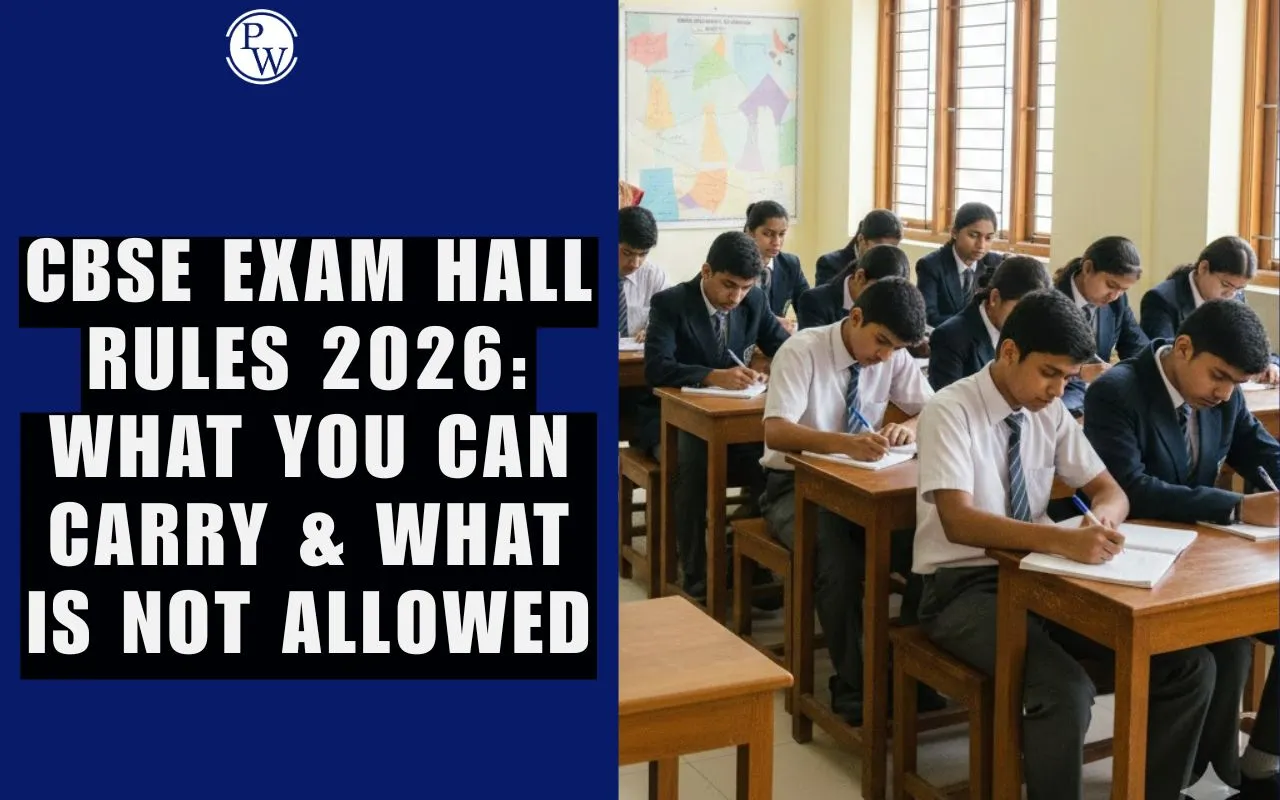
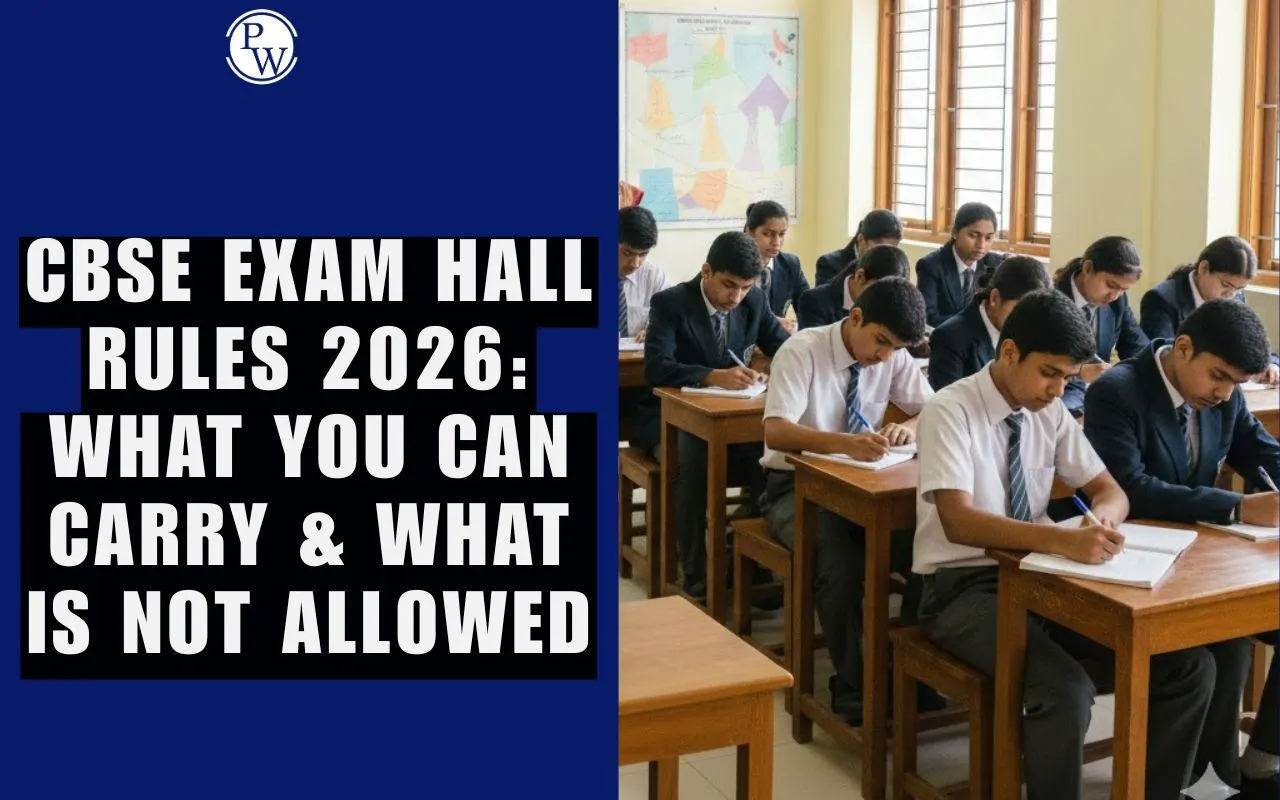
As millions of students gear up for the CBSE Class 10 and 12 Board Exams starting February 17, 2026, the Central Board of Secondary Education has issued a comprehensive set of guidelines to ensure a fair and transparent examination process. From a reinforced ban on calculators to specific rules regarding geometry tools and maps, here is everything students need to know to avoid last-minute disqualification.
The Calculator Ban: No Electronic Aids Permitted
Despite ongoing discussions regarding the inclusion of basic calculators for specific subjects like Accountancy, the CBSE has maintained a strict ban on calculators for the 2026 general examination cycle.
-
Manual Calculations: Students appearing for Mathematics, Physics, Chemistry, and Accountancy are expected to perform all calculations manually.
-
Scientific & Smart Devices: Digital watches, smartwatches, and scientific calculators are strictly prohibited.
-
Exceptions: The only exception remains for Children with Special Needs (CWSN), specifically those with disabilities like Dyscalculia, who may be permitted to use a basic calculator provided they have prior official approval and documentation from the Board.
Exam Stationery Rules: What to Carry in Your Transparent Pouch
To prevent the use of unfair means, the Board has mandated that all stationery must be carried in a transparent pouch. The list of permitted items includes:
-
Pens: Only Blue or Royal Blue ink (Ballpoint, Gel, or Fountain pens) are allowed for writing answers.
-
Geometry Tools: A transparent ruler, compass, divider, and protractor are permitted for technical drawings.
-
Pencils & Erasers: Pencils should be used exclusively for diagrams, graphs, and map work.
-
Prohibited Items: Whiteners (correction fluid), highlighters, and loose sheets of paper are strictly banned inside the hall.
Maps, Graph Paper, and Log Tables: CBSE to Provide Essentials
One of the most common points of confusion for Class 10 and 12 students is whether to bring supplementary materials for Geography or Science papers.
-
Geography Maps: Students do not need to carry their own maps. CBSE provides official outline maps attached to the question paper.
-
Graph Paper: For Mathematics and Economics, graph papers are provided by the examination centre as part of the answer booklet or as supplements.
-
Logarithmic Tables: If required for Physics or Chemistry, log tables are provided by the centre or the necessary values are printed directly on the question paper.
Class 10 & 12 Specific Guidelines: Dress Code and IDs
The Board has also emphasized the importance of student identification and decorum:
-
Mandatory Documents: No student will be allowed entry without a hard copy of the CBSE Admit Card and their School ID.
-
Dress Code: Regular students must appear in their official school uniform. Private candidates are advised to wear light-colored, simple clothing without large pockets or heavy embroidery.
-
Reporting Time: Centres will close their gates at 10:00 AM sharp. Students are advised to arrive at least 45 minutes early for mandatory frisking.
Exam Preparation Tips for 2026
With the shift toward Competency-Based Questions (which now make up nearly 50% of the paper), experts suggest the following:
-
Master Mental Math: Since calculators are banned, practice Vedic math or mental calculation techniques to save time during the Physics and Math papers.
-
Utilize the 15-Minute Reading Time: Use this period to identify which questions to attempt first and to read the instructions on the map/graph work carefully.
-
Labeling is Key: Ensure all diagrams and maps are labeled clearly with a sharp pencil.
-
No Last-Minute Cramming: Focus on the NCERT syllabus and practice sample papers to get used to the new application-based question format.
Note: Any student found in possession of barred items like mobile phones, Bluetooth devices, or unauthorized notes will be booked under the Unfair Means (UFM) category, which can lead to a ban from future examinations for up to two years.


Have questions about your prep?
Our experts can answer all your questions