CBSE Class 12 English Core 2026: Section-wise Tips & High-Priority Chapters
CBSE Class 12 English Core 2026 exam emphasizes analysis and articulation. Section A (22 marks) focuses on reading skills, Section B (18 marks) on creative writing, and Section C (40 marks) on literature. Prioritize key chapters, practice writing formats, and use strategic time management for high scores

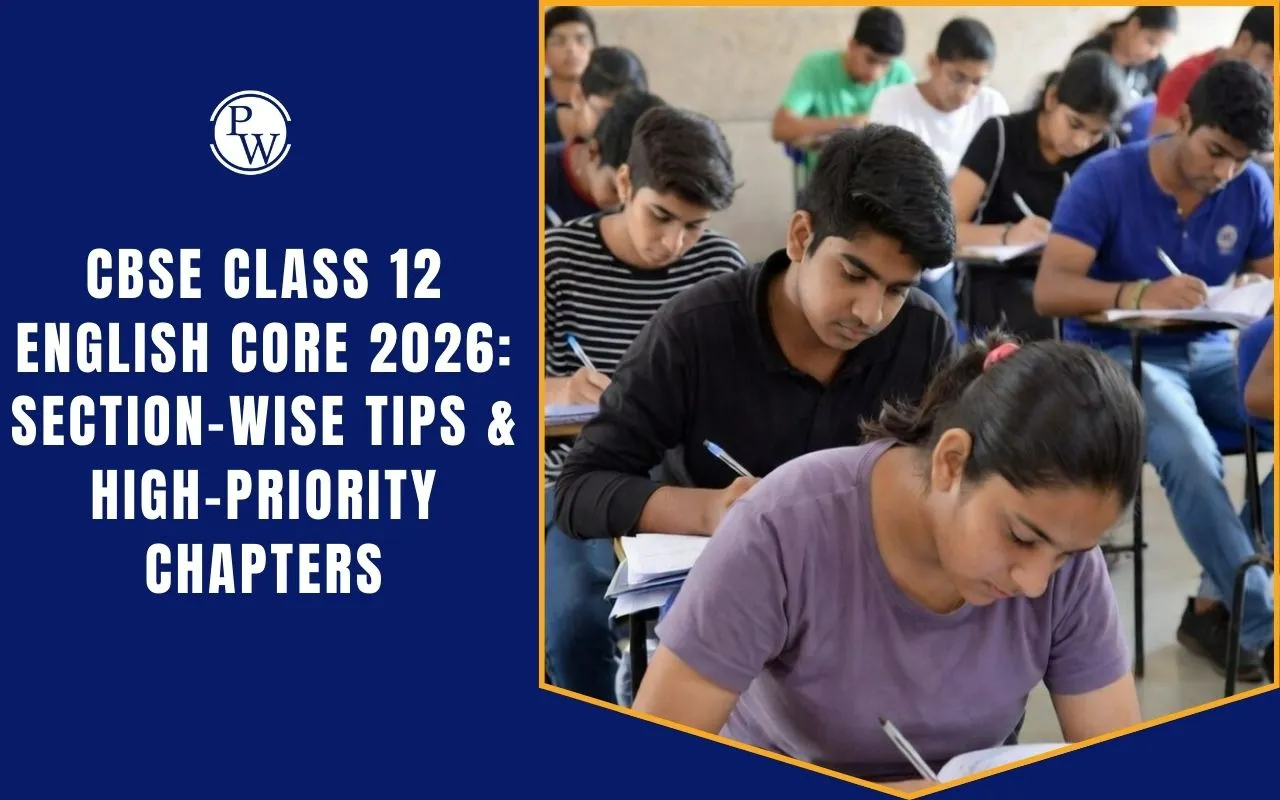
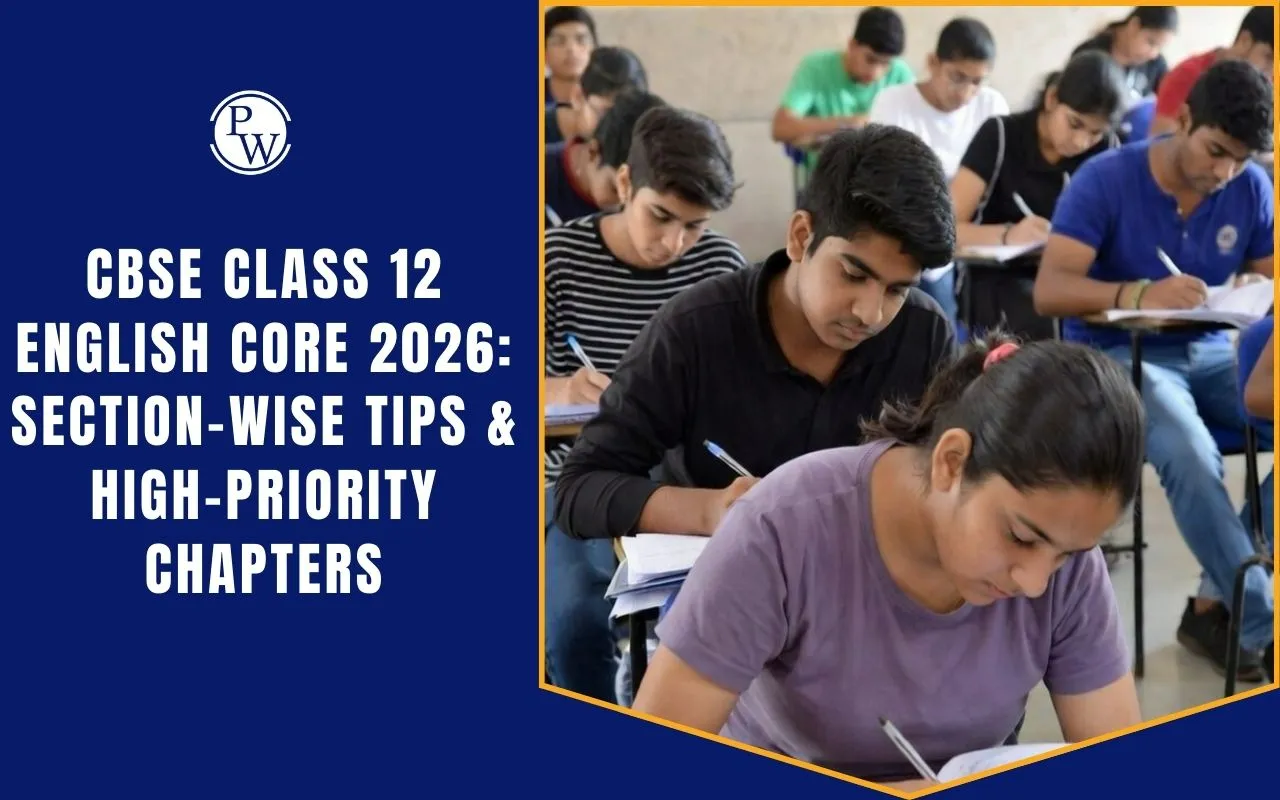
The CBSE Class 12 English Core (301) exam 2026 is set to challenge students beyond rote learning. With the weightage revised to Section A – 22 marks, Section B – 18 marks, and Section C – 40 marks, success now depends on analysis, application, and clear articulation. The remaining 20 marks are allocated for the listening and speaking skills assessment. The exam is scheduled for March 12, 2026.
This guide provides section-wise strategies, high-priority chapters, and last-minute revision tips to maximize scores.
Section-wise Strategy
Section A: Reading Skills (22 Marks)
-
Tip: Read the questions before the passage. This “reverse-engineering” saves time.
-
Vocabulary Questions: For synonyms/antonyms, substitute the option in the sentence to check contextual accuracy.
-
Focus on comprehension, inference, and critical analysis rather than merely summarising passages.
Section B: Creative Writing Skills (18 Marks)
-
Short Writing: Stick to the word limit (50 words). Notices and invitations: formal in third person, informal in first/second person.
-
Long Writing Choice: Prefer Job Applications over letters to the editor for easy scoring. Format-based CV/Bio-data fetches marks with minimal grammatical risk.
-
Article vs Report: Opt for reports if you prefer factual, structured writing; choose articles only if confident in vocabulary and argument flow.
Section C: Literature (40 Marks)
-
Emphasises competency-based questions such as speeches, diary entries, and articles based on chapter themes.
-
High-Priority Chapters:
-
Flamingo (Prose): Beyond The Last Lesson and Indigo, focus on The Rattrap, Lost Spring, Going Places, Poets and Pancakes, and The Interview.
-
Flamingo (Poetry): My Mother at Sixty-six, Aunt Jennifer’s Tigers, A Thing of Beauty, A Roadside Stand, Keeping Quiet. Be ready to identify literary devices like Pun, Synecdoche, Alliteration, Transferred Epithet, Oxymoron, similes, metaphors, and personifications.
-
Vistas: The Third Level, On The Face of It, The Tiger King, The Enemy, Journey to the End of the Earth, Memories of Childhood.
Handling Tricky Questions
-
Compare emotions across chapters (e.g., Douglas in Deep Water vs poet in My Mother at Sixty-six). Identify shared emotions, then structure your answer.
-
Diary/Speech Questions: Adopt the persona immediately. Use first-person narration (“I felt…”), blend factual events with format requirements.
Last 24 Hours: Smart Revision Tips
-
Avoid reading entire chapters; focus on theme summaries and character sketches.
-
Memorise one example per literary device for poems.
-
Scan formats for notices, invitations, letters, articles, reports, and job applications.
-
Use the 15-minute reading time to preview passages and select optional questions in Sections B and C.
-
Attempt the reading section first; your brain may tire if left till the end.


Have questions about your prep?
Our experts can answer all your questions