
Next Year Will Bring More Reforms, CBSE Chairman Signals Further Changes Ahead
CBSE Chairman Rahul Singh announced that after introducing two board exams, subject-wise evaluation splits and on-screen marking in 2026, more reforms are planned next year. He urged schools to follow SOPs strictly, ensure digital readiness and make exams secure, transparent and student-friendly.

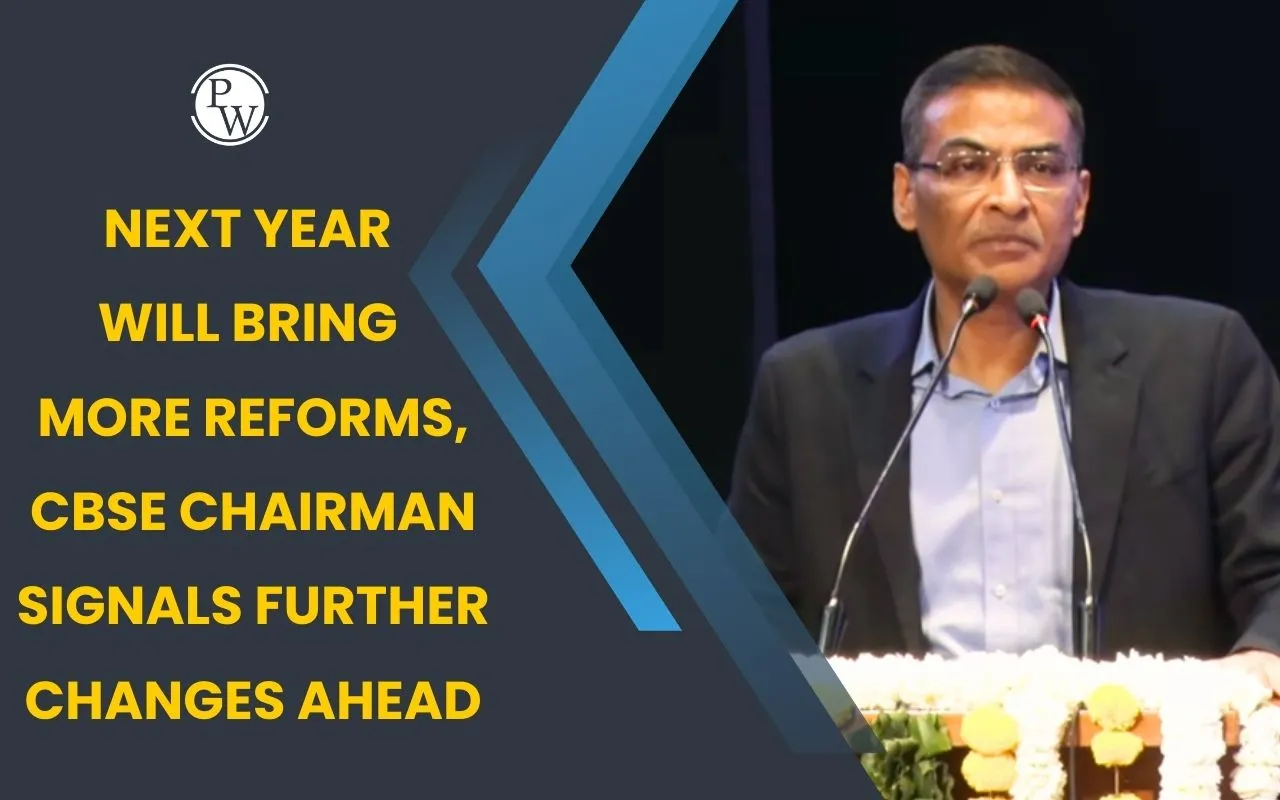
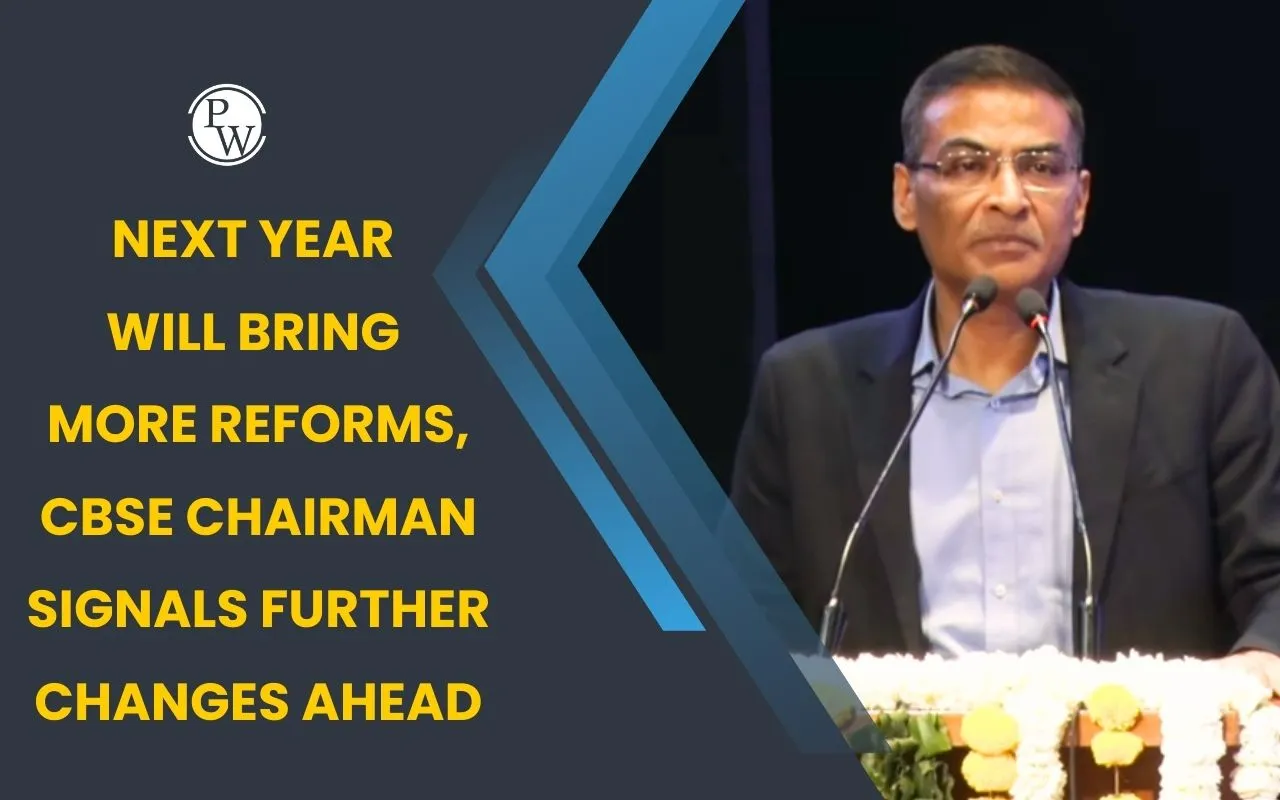
Central Board of Secondary Education Chairman Rahul Singh on Thursday indicated that the reforms introduced for the 2026 board examinations are only the beginning, signalling that additional structural changes are planned for the coming academic year.
Addressing principals and teachers during the live webinar on conduct of examinations and digital evaluation, the Chairman noted that while schools may feel the pressure of multiple new initiatives this year, the board is implementing reforms in a phased manner. He hinted that the next academic session will bring further improvements and refinements to the examination system.
Three Major Changes This Year
The Chairman outlined three key reforms being implemented in 2026. The first is the introduction of two board examinations, which he described as a “seminal change” that will reshape academic planning in the years ahead. Conducting two exams, he stressed, requires tight scheduling and strict adherence to procedures.
The second reform involves splitting answer sheets in Science and Social Science, ensuring that only subject-specific teachers evaluate the relevant sections. While acknowledging logistical challenges, he expressed confidence that the system would enhance evaluation accuracy.
The third major shift is the rollout of on-screen marking (digital evaluation). Under this system, answer books will be scanned centrally and uploaded to a secure server. Evaluators will fetch answer scripts digitally rather than receiving physical bundles from specific schools.
Digital Evaluation to Reduce Errors
Chairman Singh explained that centralised scanning and random digital allocation are aimed at eliminating common issues such as totalling errors and questions left unevaluated. While he recognised that the new system comes with operational challenges, he emphasised that reducing manual errors and improving transparency remain top priorities.
Teachers have been urged to familiarise themselves with the digital portal in advance. They will be provided sample answer scripts for practice and must verify their login credentials beforehand to prevent last-minute technical glitches. Evaluation is expected to begin around February 26, once the scanning process is completed.
Security and SOPs Non-Negotiable
The Chairman also reiterated that examination security protocols must be followed strictly. Schools have been directed to ensure CCTV surveillance with footage retained for three months, proper frisking arrangements and timely submission of answer books after evaluation.
Referring to past instances where strict action had to be taken against certain schools, he cautioned institutions against any malpractice. He stressed that maintaining integrity in the examination process is essential to protect students’ interests.
Reform Roadmap Continues
While detailing the reforms for 2026, Chairman Singh made it clear that the board’s transformation agenda will continue into the next year.
Concluding his address, he reminded stakeholders that examinations should be a “happy time” — the culmination of years of formal education — and called upon schools to work collectively to make the process hassle-free and student-friendly.


Have questions about your prep?
Our experts can answer all your questions