
CBSE Ends Marks Verification for 2026; Class 12 Exams Go Fully Digital
CBSE has issued a key advisory for Board Exams 2026 starting 17 February. Students must reach centres before 10:00 AM as entry will close strictly. Due to possible traffic and security restrictions, candidates are advised to leave early, visit centres in advance, and plan travel carefully to avoid missing the exam.

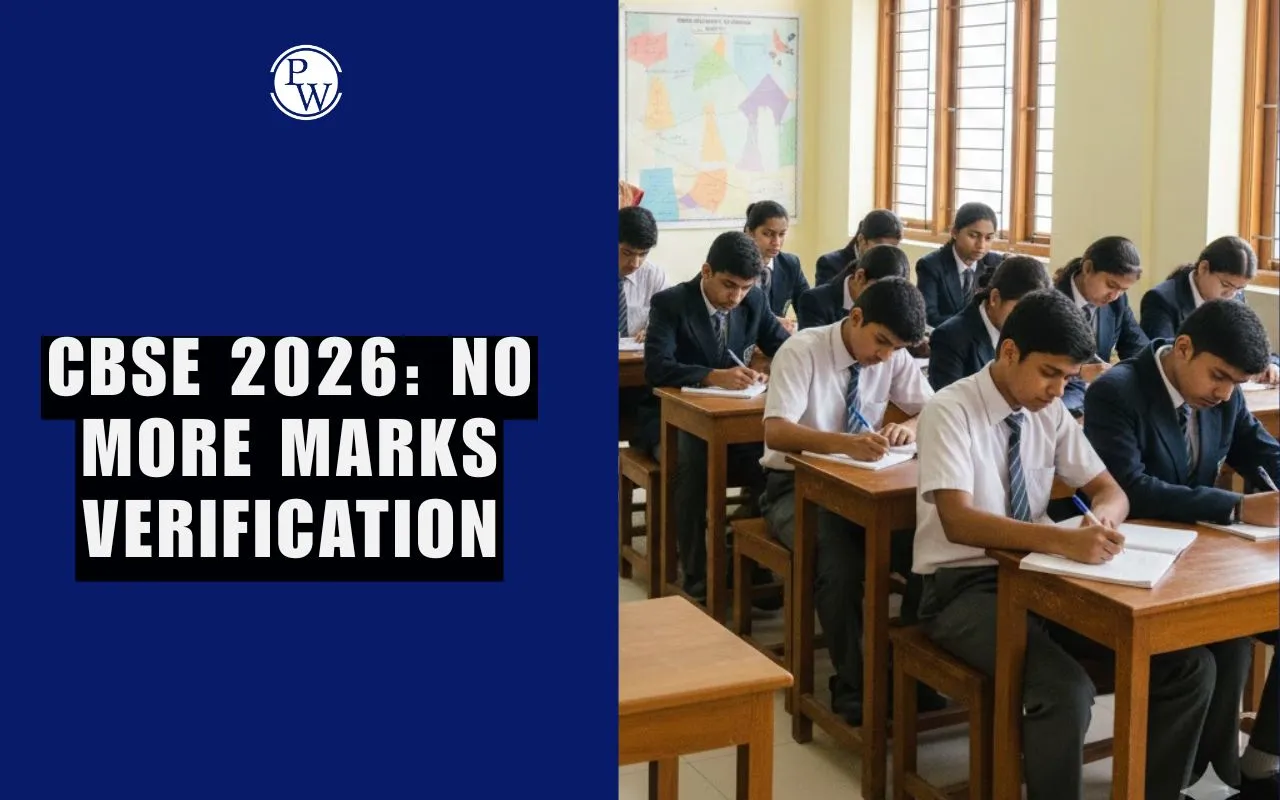
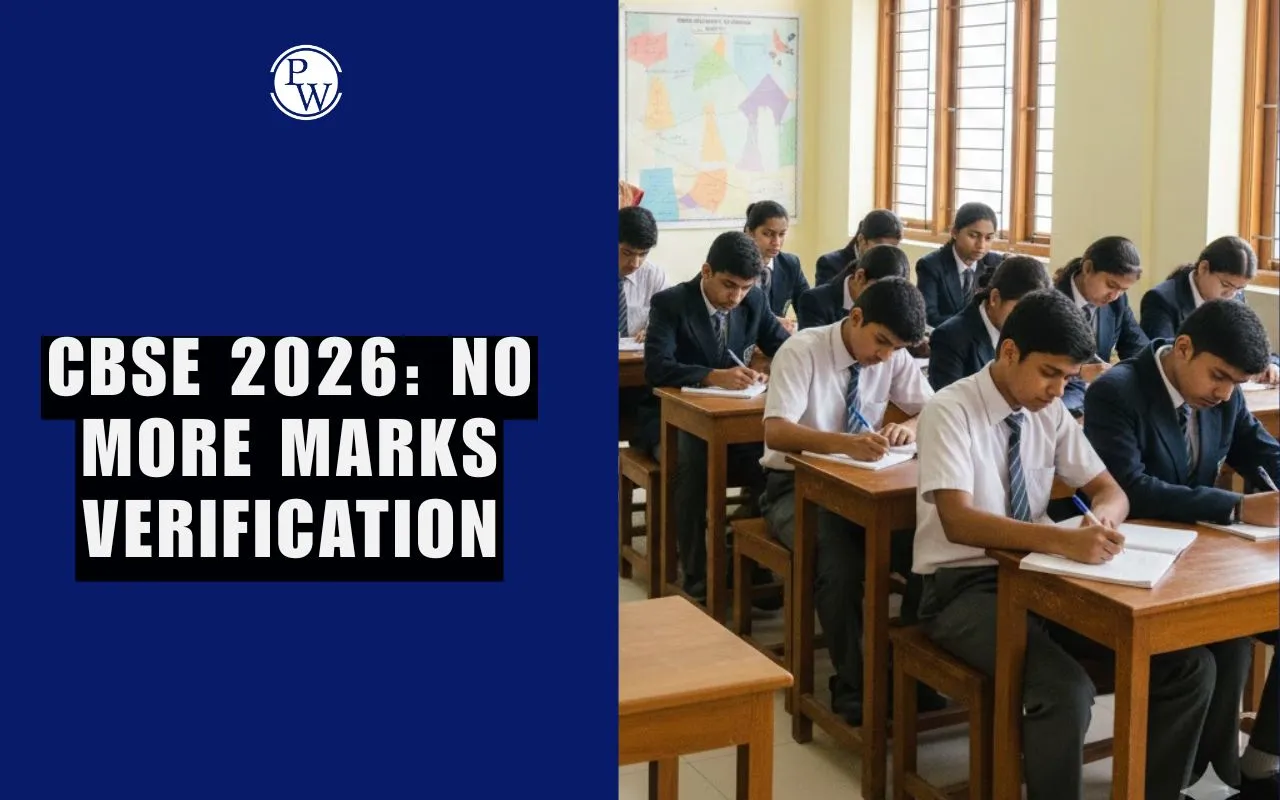
The era of manually re-counting marks is officially over. In a historic move that will redefine the future of millions of Indian students, the Central Board of Secondary Education (CBSE) has announced a total overhaul of the examination and evaluation system for 2026.
The headline that has sent shockwaves through the academic community? There will be no post-result verification of marks for Class 12 starting in 2026.
The Death of the "Scrutiny" Process: Why It’s Happening
For decades, students dissatisfied with their results rushed to apply for mark verification. However, during a high-stakes national webcast, Dr. Sanyam Bhardwaj, Controller of Examinations, revealed that the new On-Screen Marking (OSM) system will make manual errors a thing of the past.
How the Digital Evaluation Works:
-
Zero Human Error: Marks are entered online and synced directly to a central server.
-
No "Totaling" Mistakes: The software automatically calculates scores, eliminating the need for students to check for counting errors.
-
100% Coverage: The system ensures no answer is left unevaluated before a result can even be submitted.
-
Environmental Impact: A "dust-free" and paperless evaluation process that is sustainable and faster.
CBSE 2026 Reforms: What Students & Parents Must Know
The Board isn't just changing how papers are checked; it’s changing the very structure of the academic year. The scale is massive: with over 1.8 million students and 1 crore answer books, the shift to digital is no longer an option—it’s a necessity.
| Feature | Old Manual System | New Digital System (2026) |
| Evaluation Time | 12 Days | 9 Days |
| Post-Result Verification | Available | Discontinued |
| Marking Accuracy | Prone to clerical slips | Software-guaranteed |
| Logistics | Physical transport of books | Instant Digital Transmission |
Major Structural Changes for Class 10 & 12:
-
Bi-Annual Exams: Introduction of a second board examination for Class 10.
-
Subject Splitting: Science and Social Studies papers for Class 10 will now be divided for better focus.
-
Global Testing: The system has undergone rigorous dry runs and global safety protocols to prevent leaks or glitches.
Impact on Teachers: "Back to the Classroom"
The digital leap aims to unburden educators. By removing the "logistical nightmare" of manual totaling and post-result re-checks, CBSE wants teachers to focus on what they do best: teaching.
"Teachers will no longer be needed for post-result verification work. They will only attend classes," the Board emphasized during the orientation.
With a dedicated call center and unlimited digital workshops, CBSE is ensuring that every evaluator—including those at international centers—is ready for the OSM transition.
The Verdict: Is the New System Better?
While the removal of the "safety net" (verification) might worry some, the Board argues that the pre-emptive accuracy of the digital system is far superior. By catching errors before the result is declared, CBSE aims to eliminate the annual "result anxiety" and the mountain of administrative appeals.
Schools are already on high alert. During the mandatory webcast, principals were required to upload geotagged photos via the ASAR app to prove their attendance, signaling that CBSE is serious about 100% implementation.