



All Blogs


Making the right career decision can be difficult when job roles are changing, new technologies are reshaping industries, and employer expectations continue to evolve. You may know the career you want to pursue but still be unsure about which skills matter, what employers look for, or where to focus your learning efforts. Staying informed about industry trends and changing workplace requirements can help you make clearer decisions about your professional growth.
PW Skills brings together career insights to help you understand these changes, identify in-demand skills, and recognise learning areas that align with your career goals. Whether you are starting out, changing careers, or building on existing knowledge, these resources can help you choose relevant skills and take practical steps towards your desired career path.
Make Sense of Today's Job Market with PW Skills Learner Guide
The job market is changing as organisations adopt AI, introduce new technologies, and place greater emphasis on practical skills. Keeping up with these developments can help you understand changing employer expectations and make better career decisions.
PW Skills Learner Guide covers important developments such as:
-
AI and changing job roles: Understand how AI adoption is affecting entry-level opportunities and the skills professionals may need. The guide on AI and its impact on entry-level jobs examines what these changes could mean for your career planning.
-
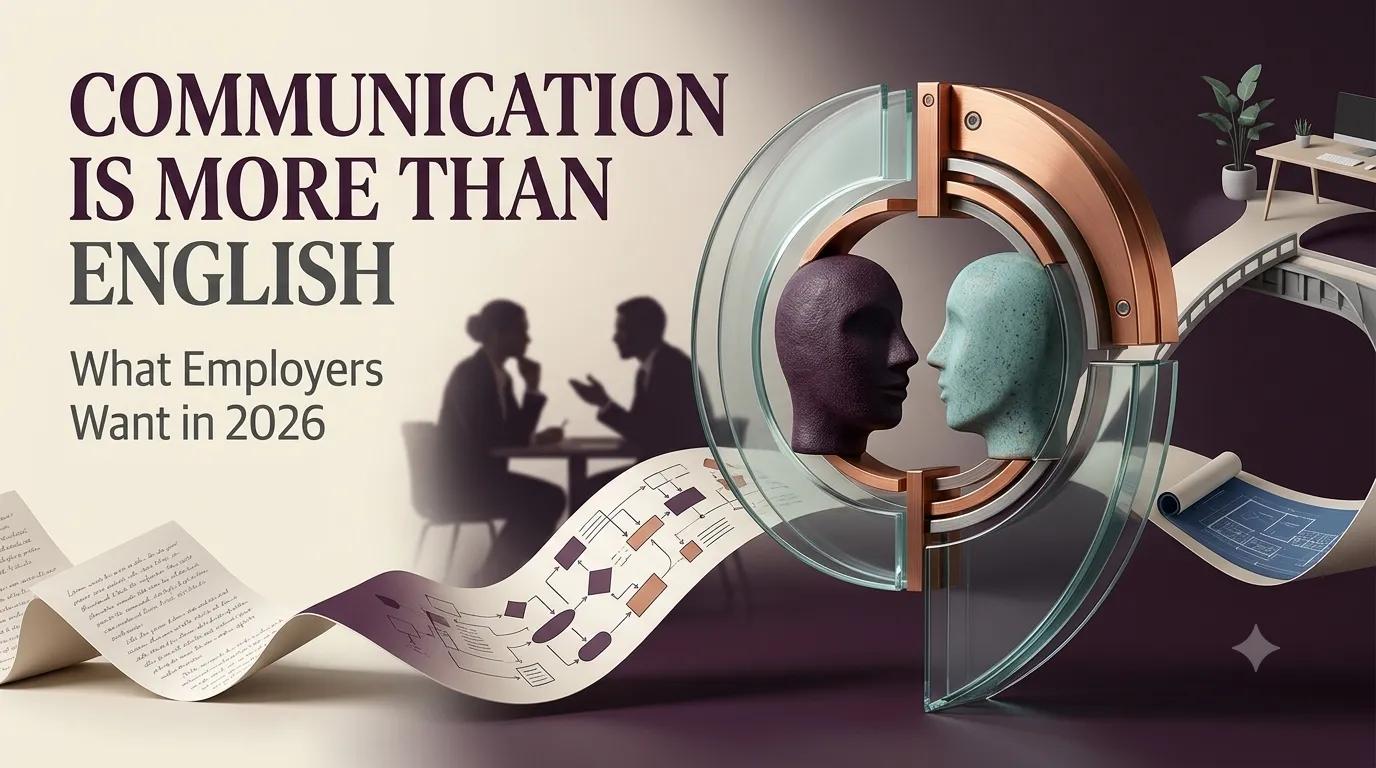
Changing employer expectations: Learn why communication, problem-solving, adaptability, and technical knowledge all matter in the workplace. The GMAC 2026 survey on communication skills employers value offers insights into the capabilities employers look for beyond English proficiency.
-
Workplace trends and remote work: Understand the skills associated with changing work arrangements through insights on remote work skills employers value.
-
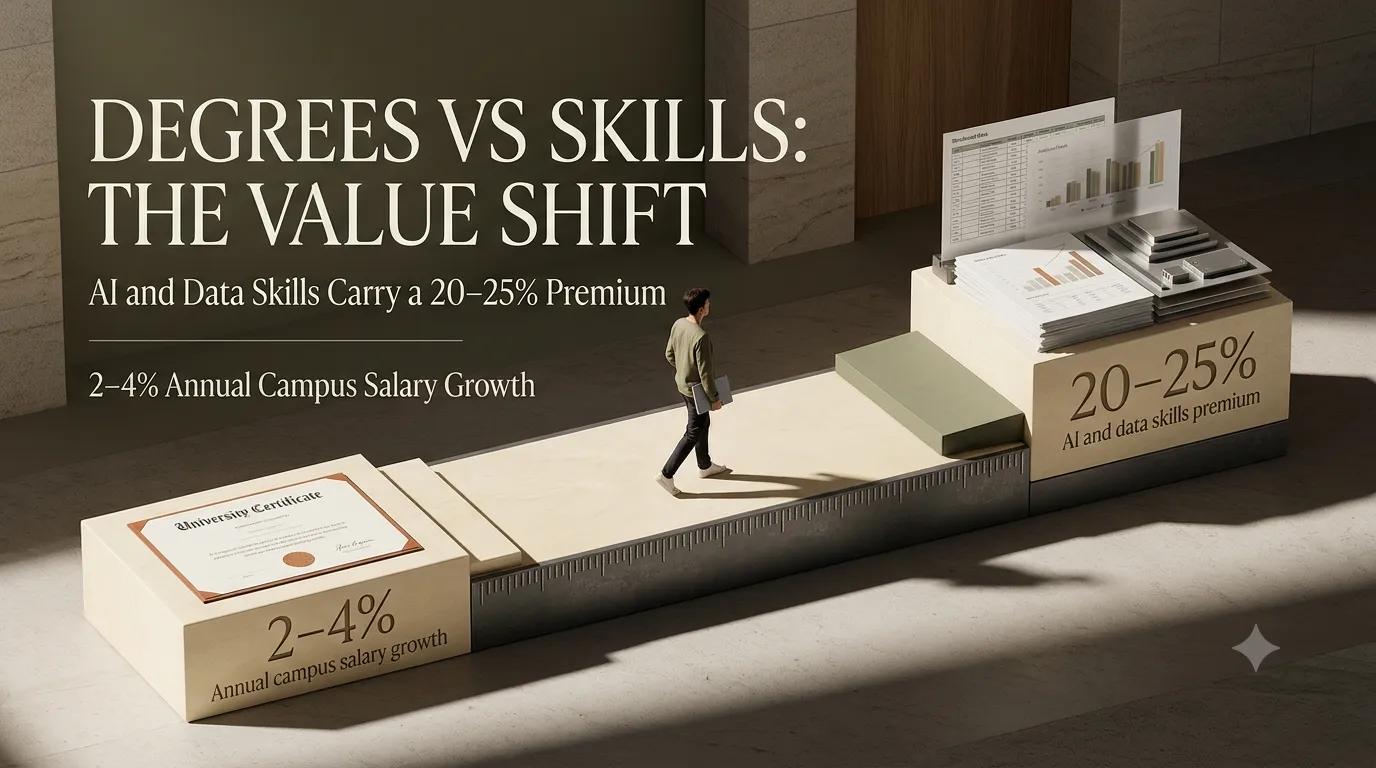
New approaches to education and credentials: Learn how employers view different qualifications and flexible learning options through the guide on degrees versus micro-credentials.
Staying informed about these changes can help you assess your current abilities and recognise where your career may need additional preparation.
Discover the Skills Employers Want and How to Develop Them
Understanding what employers look for is only the first step. You also need to identify how those expectations relate to your current abilities and where additional learning can help.
Consider these areas when planning your skill development:
-
Emerging technical skills: Follow developments in AI, data, and digital technologies, and learn about career opportunities through this data analytics career roadmap.
-
Communication and workplace skills: Strengthen your ability to present ideas, collaborate, solve problems, and communicate clearly.
-
Practical knowledge: Focus on skills you can apply through projects, assignments, or real-world tasks rather than relying only on theoretical understanding.
-
Skill-based learning: Consider focused learning options such as micro-credentials and skill-based programmes when they align with your career goals.
Instead of trying to learn every new technology, focus on the skills that directly support the role or industry you want to enter.
Find the Right Direction for Your Learning and Career
Once you understand industry changes and the skills employers value, you can make your learning priorities more specific. Start by identifying the roles or fields that interest you, then compare their requirements with your existing knowledge and experience.
A practical approach is to:
-
Identify your career interests: Shortlist the roles or industries that match your interests and strengths.
-
Understand role requirements: Review the technical and professional skills expected for those positions.
-
Assess your current skills: Identify what you already know and where you need more practice or knowledge.
-
Set learning priorities: Focus on a few skills that can make a meaningful difference to your target career.
-
Keep updating your knowledge: Reassess your priorities as technologies, roles, and employer expectations change.
For example, someone targeting data analytics may prioritise SQL, data visualisation, spreadsheets, and analytical thinking. Someone interested in digital marketing with AI may focus on campaign analysis, content strategy, audience research, and AI-assisted marketing.
The right learning priorities depend on the career direction you choose and the skills required to move towards it.
Turn Career Insights into Action with PW Skills Courses
Once you have identified the skills you need, choosing the right learning path becomes the next practical step. PW Skills offers courses across several career-focused areas, allowing you to build knowledge that connects with the roles and skills you have been researching.
-
Data and Analytics: Build knowledge of data analysis and analytical tools through Data Science and Analytics courses.
-
Software Development: Develop programming and web development skills through Web Development courses, and understand the steps towards a coding career with this programming career roadmap.
-
Digital Marketing: Learn digital marketing methods and AI-assisted workflows through Digital Marketing with AI.
-
Design and Media: Develop skills in visual design, video editing, and AI-powered content creation through Design & Media courses.
Choosing a course based on your target role, existing knowledge, and specific skill gaps can make your learning more focused and relevant.
Understanding industry trends is the first step towards making better career decisions. PW Skills learner guide helps you recognise changing employer expectations, identify relevant skills, and set practical learning priorities. Use these insights to build the knowledge you need, strengthen your professional profile, and move towards career opportunities that match your goals.