







ACCA Course After Graduation 2026: Eligibility, Duration & Career Scope

Pursuing the ACCA (Association of Chartered Certified Accountants) course after graduation in 2026 is an excellent choice for students aiming for a global career in finance, accounting, and management. Recognized in over 180 countries, ACCA equips graduates with advanced skills in financial reporting, auditing, taxation, and strategic management.
Commerce graduates like B.Com, BBA, or BMS students often get exemptions, allowing them to fast-track the course, while graduates from other streams can also join by starting with foundational papers. With growing demand for ACCA-qualified professionals in multinational corporations and Big 4 firms, completing this course after graduation opens doors to lucrative and diverse career opportunities worldwide.
Also, Check: ACCA Course after CA
What is ACCA?
ACCA is a globally recognized professional accounting qualification based in the UK, accepted in over 180 countries. It equips students with advanced skills in financial reporting, taxation, auditing, and strategic management. For graduates, the ACCA course details after graduation are particularly attractive because they offer a "fast-track" route through paper exemptions.
ACCA Eligibility After Graduation 2026
The ACCA eligibility after graduation is highly flexible, making it accessible to a wide range of degree holders:
-
Commerce Graduates (B.Com/BBA/BMS): Students with a degree in finance or accounting are eligible and typically receive the maximum number of exemptions.
-
Non-Commerce Graduates: Even if you come from a Science or Arts background, you can pursue ACCA, though you may need to start from the foundational papers.
-
Professional Degrees: If you have cleared CA-IPCC or are a qualified CA/CMA, your entry into the Strategic Professional level is even faster.
ACCA Exemptions for Graduates
One of the biggest advantages of starting ACCA after B.Com or any relevant degree is the ability to skip certain exams. This is because ACCA recognizes your prior academic learning.
|
Qualification |
Typical Exemptions |
Papers to be Attempted |
|
B.Com (Standard) |
4 Papers (BT, MA, FA, LW) |
9 Papers |
|
B.Com (ACCA Accredited) |
Up to 6 Papers |
7 Papers |
|
CA Inter (Both Groups) |
5-6 Papers |
7-8 Papers |
|
Qualified CA / CMA |
Up to 9 Papers |
4 Papers (Professional Level) |
Note: Exemption fees apply for each paper you skip, and you must submit your official degree transcripts to the ACCA portal for verification.
ACCA Course Structure and Syllabus
To become a member, you must complete 13 exams divided into three levels, plus the Ethics and Professional Skills Module (EPSM) and 36 months of Practical Experience Requirement (PER).
1. Applied Knowledge (3 Papers)
-
Business and Technology (BT)
-
Management Accounting (MA)
-
Financial Accounting (FA)
-
Note: Most B.Com graduates are exempt from this level.
2. Applied Skills (6 Papers)
-
Corporate and Business Law (LW)
-
Performance Management (PM)
-
Taxation (TX)
-
Financial Reporting (FR)
-
Audit and Assurance (AA)
-
Financial Management (FM)
3. Strategic Professional (4 Papers)
-
Essentials: Strategic Business Leader (SBL) and Strategic Business Reporting (SBR).
-
Options (Pick 2): Advanced Taxation, Advanced Audit, Advanced Financial Management, or Advanced Performance Management.
ACCA Duration After Graduation
The ACCA duration after graduation is significantly shorter than for students starting after the 12th standard.
-
Standard Duration: 2 to 3 years.
-
Fast-Track for Graduates: With 4-5 exemptions, a dedicated student can complete the remaining 8-9 papers in 1.5 to 2 years.
-
Concurrent Experience: You can complete your 36 months of PER (work experience) while appearing for your exams, allowing you to become a full member immediately after passing your final paper.
Career Scope and Salary in 2026
The career scope of ACCA after graduation is vast, with opportunities in auditing, financial consultancy, and corporate finance across the globe.
Top Job Roles
-
Audit Associate: Working with Big 4 firms (EY, PwC, Deloitte, KPMG) on statutory and internal audits.
-
Financial Analyst: Focusing on forecasting, budgeting, and MIS reporting for MNCs.
-
IFRS Specialist: Managing global financial statements and reporting compliance.
-
Management Accountant: Driving internal decision-making and cost control.
Salary Outlook 2026 (India)
-
Fresh Graduate + ACCA Part-Qualified: ₹6,00,000 – ₹10,00,000 per annum.
-
Qualified ACCA Member: ₹12,00,000 – ₹20,00,000 per annum.
-
Senior Positions: Professionals with 7+ years of experience can earn upwards of ₹30,00,000 per annum.
ACCA Course After Graduation FAQs
What is the eligibility for ACCA after graduation in 2026?
How many exemptions can a B.Com graduate get in 2026?
What is the duration of ACCA after graduation?
Can I work while pursuing ACCA after graduation?
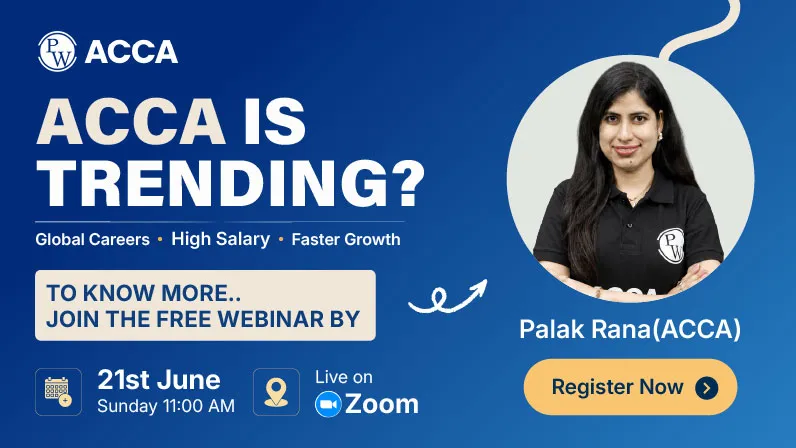





Get Free Counselling Today
and Clear up all your Doubts
 Live & recorded classes available at easeDashboard for progress trackingLakhs of practice questions

