SBI PO 2025 Success: Siddharth Mishra's Interview Reveals Key Strategies for Aspirants
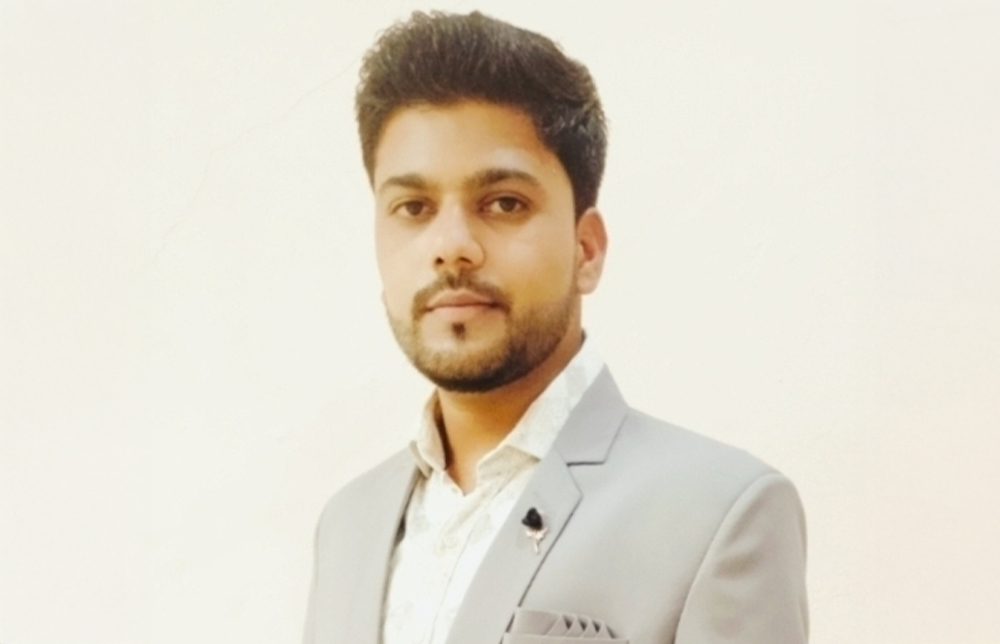
SBI PO 2025 Siddharth Mishra’s Success Story: This inspiring SBI PO 2025 success story of Siddharth Mishra, whose interview at Banking Wallah reveals practical, experience-driven strategies for banking aspirants. As a working candidate, Siddharth shares how consistency, smart time management, and a balanced subject-wise approach helped him overcome setbacks and crack one of India’s toughest banking exams on his first attempt.
Core Principle for SBI PO Success
The most crucial factor for SBI PO success is consistency in preparation. As a working aspirant, Siddharth could not study for long hours daily, but he ensured regular study over his two-year preparation journey. By effectively managing study time alongside office responsibilities and never breaking continuity, his disciplined and consistent efforts became the key driver behind his SBI PO success.
Siddharth’s Candidate Profile & Academic Journey
Siddharth completed his graduation from Shyamalan College, University of Delhi, in 2018. He began working after graduation due to financial constraints, making him a working aspirant throughout his preparation. He initially focused on regulatory exams like RBI Grade B and SEBI, even reaching the SEBI Mains stage. Later, he smartly chose to attempt the SBI PO exam and successfully cleared it in his very first attempt.
Strategy for Working Aspirants
Managing exam preparation alongside a full-time job demands a specific mindset and disciplined time management.
-
Guiding Philosophy: The core motivation stemmed from understanding that "It's all about my own life. If I want to make my life better, I have to make time. Otherwise, time is passing anyway." This personal responsibility drove him to overcome excuses and maintain focus.
-
Daily Schedule & Time Management:
-
Working Hours: 9:00 AM to 5:30 PM.
-
Evening Study Block (Post-Office): Dedicated three hours, from 6:30 PM to 9:30 PM, specifically to address weak areas identified through mock test analysis.
-
Commute Time Utilization: Used metro commute time for productive study:
-
Practiced General Awareness (GA) questions and quizzes.
-
Gave sectional mocks for English.
-
Weekend Strategy: Utilized full weekends (Saturday-Sunday off) for taking full-length mock tests.
-
Managing Distractions: It is not necessary to completely disengage from social media. Siddharth used it for "detoxing" and relaxation. The key is balance, ensuring no activity becomes an overwhelming distraction from the primary goal.
Subject-Wise Preparation Strategy
Siddharth's strategy involved strategically balancing strengths and weaknesses rather than striving for mastery in every subject.
Comparative Subject Strategy: Balancing Weakness & Strength
This section highlights a smart subject-wise strategy where weaknesses were managed pragmatically while strengths were maximized. By accepting limitations in Quant and boosting performance in Reasoning, overall score balance and exam success were effectively achieved.
| Comparative Subject Strategy | |||
|---|---|---|---|
|
Subject |
Initial Assessment |
Strategy Adopted |
Outcome |
|
Quantitative Aptitude (Quant) |
Assumed to be strong, but identified as a significant weakness due to challenges in speed and accuracy. |
After consistent effort yielded minimal improvement (stuck at 15-16 marks out of 30), the focus shifted from mastery to achieving average, section-clearing marks. |
Time was reallocated to stronger areas, accepting limitations in Quant. |
|
Reasoning |
Initially, a moderate or "mid" level subject. |
Recognizing potential for improvement, he invested significant time to strengthen this section. The goal was to score very high in Reasoning to compensate for lower scores in Quant. |
Reasoning became a high-scoring section, effectively balancing the overall score. |
The core principle was to make the good subjects very good and bring the poor subjects up to an average level.
English Language
-
Foundation: A strong English-medium background provided a solid base.
-
Strategy: Primary preparation involved solving numerous mock tests.
-
Key Habit: A consistent reading habit was highly beneficial for comprehension speed in lengthy questions and for improving vocabulary.
-
Important Distinction: He noted that the pattern and language of Banking exams are significantly different from SSC exams, necessitating a tailored approach.
General Awareness (GA)
-
Main Preparation Phase: The most intensive GA study commenced after the Prelims exam was cleared.
-
Revision and Recall Strategy:
-
Source Material: Focused on monthly current affairs magazines (PDFs) and revision videos on YouTube.
-
Study Method: First, he thoroughly read the PDF for a given period. Later, he watched a revision video on the same topic, creating a "flashback" effect that reinforced memory.
-
Timeline: In the last three weeks before the Mains exam, he covered the previous six months of current affairs, tackling two months per week.
-
Daily Practice: Utilized commute time to solve short daily quizzes (10-15 questions) on mobile apps.
Handling Failure and Maintaining Motivation
Siddharth faced numerous setbacks over two years, including failing at various stages of OICL, NIACL, SEBI (Mains), GIC (by 2 marks), and an SSC exam (DV stage).
-
Coping Mechanism: Despite frequent moments of doubt and wanting to quit, the primary motivator was the recurring thought: "To make my own life better, I have to do it." This internal drive enabled him to recover after each failure. A supportive office environment also helps minimize external work-related stress.
SBI PO Interview and Group Exercise Experience
Siddharth's SBI PO Interview and Group Exercise experience highlights are:
-
Preparation: As it was his first interview, he enrolled in a mock interview program. Feedback focused on body language, expressions, and improving verbal phrasing.
-
Interview Details:
-
Venue: SBI LHO, Parliament Street, Delhi.
-
Panel: Included the CGM of Delhi LHO, two female members, and one male member.
-
Duration: Interviews were notably short, averaging only 4-5 minutes per candidate.
-
Interview Questions:
-
Standard: "Tell me about yourself."
-
Academic Background: Questions related to his Commerce and Marketing background.
-
Work Experience: Questions about his professional role.
-
Banking & Economy: He explained the RBI's Monetary Policy Committee (MPC) in detail (members, quorum, meeting frequency, mandate) and discussed the RBI's Central Board.
-
Key Insight for Aspirants: Thoroughly prepare on topics related to your academic background and work experience, as these are common question sources. His interview score was 28 out of 30.
-
Group Exercise (GE): The topic was relatively easy, and the group was cooperative, leading to a smooth discussion without arguments. The group successfully reached a consensus within the allotted 20 minutes.
SBI PO 2025 Success: Siddharth Mishra's Interview FAQs
What is the single most important factor for success in competitive exams like SBI PO?
How did Siddharth manage SBI PO preparation as a working aspirant?
What was Siddharth's strategy for balancing strong and weak subjects?
How did Siddharth approach General Awareness (GA) preparation for the Mains exam?
What advice does Siddharth offer for the SBI PO Interview?