







CA Final May 2026 AIR 36: CA Kush Guglani's Success Story, Topper Interview & Preparation Strategy
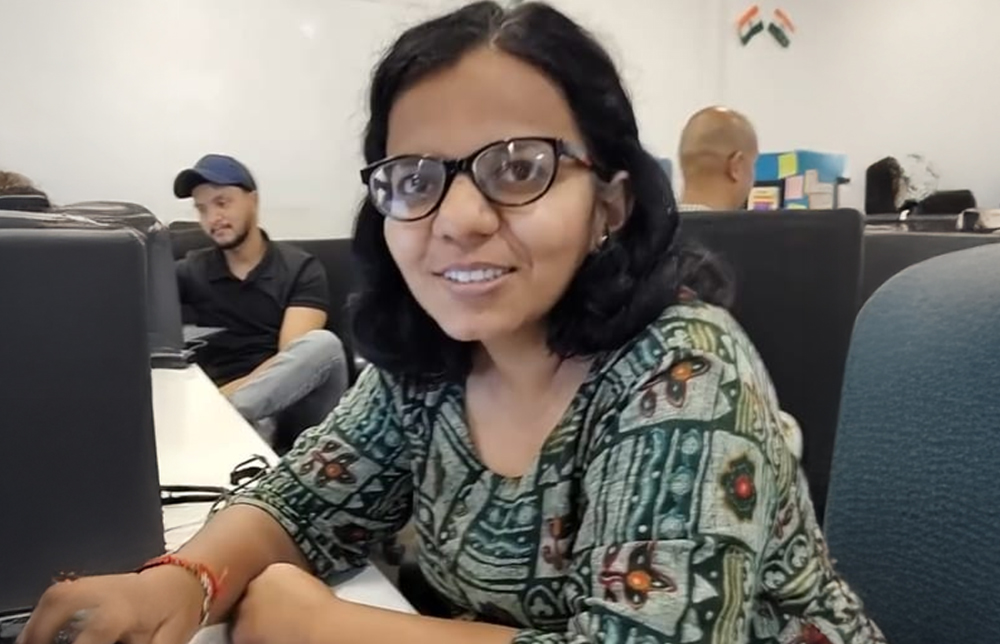
CA Final May 2026 has been officially announced for the students on the official website. PW Student CA Kush Guglani has secured AIR 36 in the CA Final examination. He has shared his experiences of making a full plan and strategy to study for the CA final examination. He applied the AFM preparation approach to revise and solve questions. PW mentorship aided him in aligning his strategies accordingly.
CA Final May 2026 Exam Experience
Kush shared that he found the AFM subject tough in the CA final examination. He decided to follow a schedule to prepare the short notes and practice solving questions regularly for the exam. He used his routine time and maintained the handwritten notes. Chapter-wise questions practice and analysis helped him score 40+ marks in AFM, becoming a CA rankholder.
IBS (Integrated Business Solutions) Study Strategy
CA AIR 36 rankholder followed an approach in the CA final exam preparation. He used ChatGPT AI assistance for identifying the topics. Use the questions and solve them accordingly within the time limit. It helped them to gain the confidence to face the CA Final examination. Regular practice can help anyone to revise and memorise the CA exam concepts accordingly.
Case Study Practice Approach
He made a case study practice approach in the exam preparation. Make the notes and solve the PYQ questions for the case study-based questions in the exam.
-
All case studies from May 2024 to January 2026 were practised.
-
It was noted that the Case Study Digest was relevant only until May 2024, as ICAI has significantly increased the difficulty level of IBS subsequently, making past exam papers the most reliable source.
-
Past Year Papers (PYPs) are superior to RTP/MTP (Revisionary Test Papers/Mock Test Papers), which are often more SCM-based and do not reflect the actual exam level.
-
Mock tests were not taken, as confidence in writing ability was high; the key challenge was topic identification.
The daily practice routine in the last two months involved:
-
Dedicating one hour daily.
-
35-40 minutes for topic identification.
-
30 minutes for writing answers.
-
The question approach prioritised solving descriptive questions first, as they are generally more direct, followed by MCQs, which are often tricky.
Also Check: CA Final Pass Percentage May 2026
IBS Exam Attempt Strategy
-
Planning to complete two easy case studies (50 marks) within the first 1.5 hours.
-
Identifying case studies that did not involve complex practical Costing sections.
For strategic case study selection:
-
Significant time (30 minutes) was dedicated during the exam to carefully reading and choosing between case studies, especially when multiple options seemed viable.
-
It was recognised that making a wrong choice in a deep case study could be irreversible.
-
Ambiguous questions were avoided where crucial information (e.g., currency conversion rates for exposure calculation) was missing, as these are high-risk for mark deductions.
-
The strategy was to prioritise easier, clearer case studies to ensure completion and accuracy.
CA Final May 2026 Topper Strategy FAQs
Who is AIR 36 rank holder in CA final exm?
How challenging was the CA Final May 2026 exam, particularly the AFM paper?
What was the core strategy for preparing for the IBS paper, especially with its vast syllabus?
Which practice materials were most effective for IBS case studies?


Have questions about your prep?
Our experts can answer all your questions
 Live & recorded classes available at easeDashboard for progress trackingLakhs of practice questions

