CA Inter Strategic Management Study Plan, Preparation Strategy
CA Inter Strategic Management Study Plan for 2026 focuses on a 3-phase approach: building concepts (45 days), intensive revision (25 days), and final practice (15 days). Key topics include SWOT, PESTLE, Porter’s Five Forces, BCG Matrix, and strategy implementation.

A well-structured CA Inter Strategic Management Study Plan is essential for effective preparation for the Sept 2026 exams. Although the syllabus may seem concise, mastering Strategic Management requires a clear understanding of concepts and the ability to apply them in practical scenarios.
With the right plan, students can systematically cover important topics, strengthen conceptual clarity, and improve answer-writing skills. This approach helps maintain consistency, manage time efficiently, and focus on high-scoring areas, ensuring confident performance in the exam.
CA Inter Strategic Management Study Plan Overview
A successful CA Inter Strategic Management study plan should be divided into distinct phases: understanding, internalizing, and practicing. Strategic Management is not just about memorization; it is about understanding how businesses make decisions in a competitive environment.
|
CA Inter Strategic Management Study Plan Overview |
||
|
Phase |
Activity |
Duration |
|
Phase 1: Conceptual Foundation |
Detailed reading of ICAI module and note-making. |
45 Days |
|
Phase 2: Intensive Revision |
Recalling key terms and solving chapter-wise questions. |
25 Days |
|
Phase 3: Final Marathon |
Mock tests, RTPs, MTPs, and focusing on keywords. |
15 Days |
Chapter-wise Smart Preparation Strategy
To optimize your CA Inter strategic management study plan, you must categorize chapters based on their weightage and complexity.
1. Introduction to Strategic Management
This chapter sets the stage. Focus on the limitations of Strategic Management and the importance of strategic levels (Corporate, Business, and Functional).
-
Smart Tip: Understand the difference between "Strategic Management" and "Operational Management."
2. Strategic Analysis: External & Internal
This is a high-yield area involving various frameworks. You must be thorough with:
-
SWOT Analysis: Identifying Strengths, Weaknesses, Opportunities, and Threats.
-
PESTLE Analysis: Evaluating Political, Economic, Social, Technological, Legal, and Environmental factors.
-
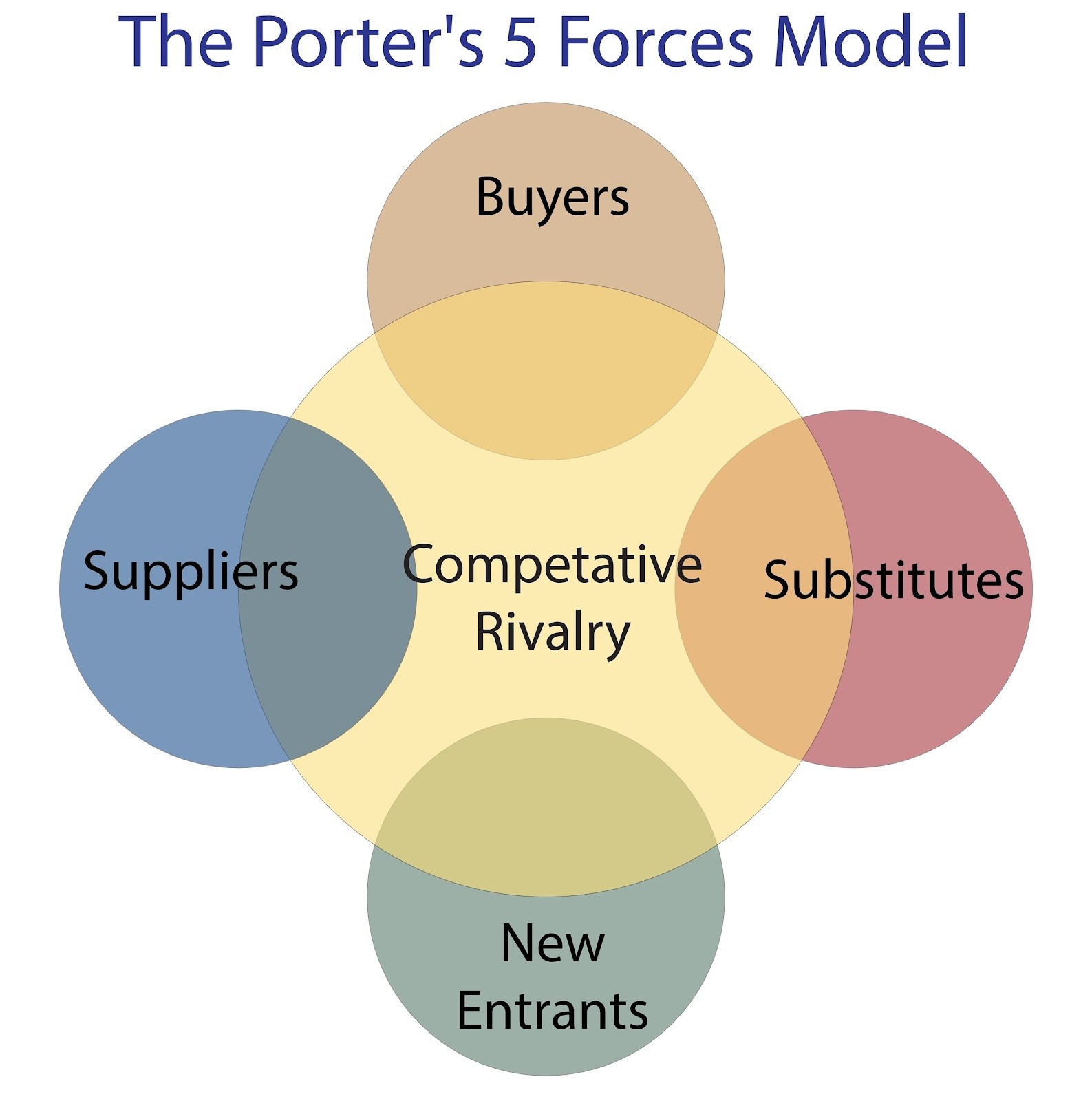
Porter’s Five Forces Model: Understanding industry competition.
3. Strategic Choices
This chapter covers the core strategies adopted by companies. Focus on:
-
Ansoff’s Product-Market Growth Matrix: Market Penetration, Market Development, Product Development, and Diversification.
-
Michael Porter’s Generic Strategies: Cost Leadership, Differentiation, and Focus.
-
BCG Matrix: Categorizing business units into Stars, Cash Cows, Question Marks, and Dogs.
4. Strategy Implementation and Control
Implementation is often harder than formulation. Pay close attention to:
-
Organizational Structures: Functional, Divisional, Matrix, and Network structures.
-
Strategic Control: The process of monitoring and adjusting the strategy.
Essential Guidelines for Exams
To ensure your preparation aligns with the expected standards and avoids common pitfalls, follow these factual guidelines:
-
Prioritize ICAI Study Material: The primary source for your CA Inter strategic management study plan should always be the official ICAI module. Supplement this with Revision Test Papers (RTPs) and Suggested Answers.
-
Focus on Keywords: The evaluation of SM papers often relies on specific technical keywords. Ensure your notes highlight these terms.
-
Use Simple and Clear Language: While technical terms are necessary, your explanations should be clear and grammatically correct. Avoid using informal slang or overly complex jargon.
-
Factually Accurate Content: Ensure you are studying the latest version of the syllabus. Avoid relying on unverified third-party summaries that might contain outdated information.
Effective Revision and Practice Techniques
A smart preparation strategy is incomplete without a robust revision mechanism.
-
Draft Summary Charts: Create one-page flowcharts for complex topics like the Value Chain Analysis or Strategy Audit.
-
Daily Writing Practice: Commit to writing at least two descriptive answers daily to improve speed and presentation.
-
Analyze Case Studies: Since the paper includes application-based questions, practice identifying which strategic model applies to a given business scenario.
CA Inter Strategic Management FAQs
Is Strategic Management a scoring subject?
How many times should I revise the SM syllabus?
Can I write answers in my own words?
Should I focus more on MCQs or descriptive questions?