






Speak and Improve English: Daily Practice Tips
 Study Abroad27 Jan, 2026

To speak and improve english, you must practice consistently and focus on real-world communication rather than just memorizing rules. This process involves training your ears to hear sounds, your mind to form sentences, and your voice to produce clear words. By building a daily habit, you transform hesitant speech into natural, fluent conversation over time.
Simple Ways to Speak and Improve English
Learning a new language doesn't require hours of boring study. You can speak and improve english by making it a natural part of your day. Most experts suggest that a short, focused routine is far better than a long session once a week. If you treat your practice like a daily habit, you'll see progress faster than you think.
Start a 20-Minute Routine
You don't need all day to get better. Set aside just twenty minutes every morning or evening to focus on your skills. This small window of time is enough to keep your brain engaged without making you feel overwhelmed.
-
Read a Story: Spend five minutes reading a news article or a short blog post. This helps you see how sentences are built.
-
Listen to Music: Pick a song you enjoy and read the lyrics while you listen to help with your rhythm.
-
Write a Diary: Jot down three sentences about what you did today to practice your grammar.
How to Speak and Improve English Fluently
Fluency isn't about being perfect; it's about being understood. To speak and improve english fluently, you need to stop translating every word in your head. This takes time, but specific exercises can speed up the process. We want to move from "thinking in our native language" to "thinking in English."
|
Daily Activity |
Time Needed |
Primary Goal |
|
Shadowing Audio |
5 Minutes |
Improving Pronunciation |
|
Vocabulary Flashcards |
5 Minutes |
Learning New Words |
|
Mirror Speaking |
5 Minutes |
Building Confidence |
|
Grammar Focus |
5 Minutes |
Understanding Rules |
The Power of Shadowing
Shadowing is a technique where you listen to a native speaker and repeat exactly what they say as they are saying it. You don't wait for them to finish. You try to mimic their speed, emotion, and pauses. This is one of the fastest ways to speak and improve english because it forces your mouth muscles to get used to new sounds.
Focus on Phrases, Not Just Words
Don't just learn a single word like "decision." Instead, learn the phrase "make a decision." Native speakers use clusters of words called collocations. If you learn these groups, your speech will sound much more natural to others. It also makes it easier to speak quickly because you aren't searching for the next word.
Speak English and Improve Confidence Fast
Many students feel shy when they try to talk. To speak english and improve confidence, you must accept that making mistakes is a vital part of the journey. Even native speakers make errors! The more you talk, the less scary it becomes. It is all about getting comfortable with the sound of your own voice in a different language.
-
Talk to Yourself: Don't wait for a partner. Describe what you are doing while you cook or get dressed.
-
Record Your Voice: Use your phone to record yourself speaking. Listen back to find areas where you can improve.
-
Celebrate Small Wins: If you ordered coffee in English, be proud! These tiny victories build up over time.
Find a Conversation Partner
Talking to another person is the ultimate test. You can find language partners online or join a local club. When you speak and improve spoken english with a real person, you learn how to react to unexpected questions. This real-time interaction is what truly builds the "confidence muscle" you need for work or travel.
Use a Mirror for Feedback
Stand in front of a mirror and tell a story about your weekend. Watch your mouth movements and your body language. Are you smiling? Do you look relaxed? Looking yourself in the eye while you speak helps remove the anxiety of talking to others later.
Ways to Speak and Improve English Daily
Consistency is the secret sauce for any student. If you want to speak and improve english, you can't take long breaks. Even when you are on holiday, try to spend a few minutes with the language. It keeps the information fresh in your mind and prevents you from "forgetting what you learned" during your busy weeks.
-
Word of the Day: Choose one new word every morning. Try to use it in three different sentences throughout the day.
-
Label Your Home: Put sticky notes on items like the "fridge" or "mirror." This helps beginners learn nouns without effort.
-
Watch English Videos: Watch a short clip or a movie scene. Try to understand the dialogue without using subtitles in your own language.
Create an English Environment
You don't have to live in an English-speaking country to be surrounded by the language. Change the settings on your phone to English. Follow English-speaking creators on social media. When your environment is filled with the language, you begin to pick up nuances subconsciously.
Listen to Podcasts
Podcasts are great because you can listen while doing chores. Choose topics you actually enjoy, like sports, fashion, or history. This makes the learning feel less like a chore and more like a hobby. When you enjoy the content, your brain stays focused for longer periods.
Speak and Improve Spoken English Skills
To truly speak and improve spoken english, you must focus on your pronunciation and intonation. English is a rhythmic language. Some words are stressed more than others, and your pitch goes up or down depending on the meaning. Mastering this "music" of the language helps people understand you better.
Learn the Phonetic Alphabet
You don't need to be a linguist, but knowing how certain sounds are made is helpful. For example, the "th" sound is tricky for many. Use YouTube tutorials to see where to place your tongue. Once you master the difficult sounds, your overall clarity will jump significantly.
Record and Compare
-
Record a professional speaker saying a sentence.
-
Record yourself saying the same sentence.
-
Play them back to back.
-
Note the differences in speed and tone.
Join Online English Learning Courses
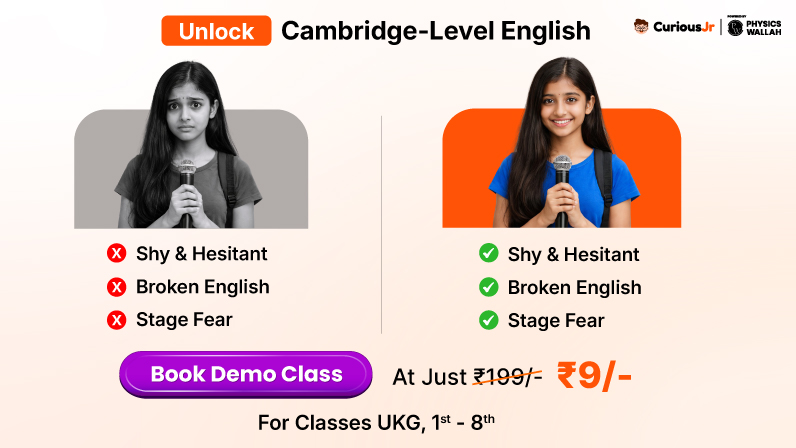
Does your child hesitate to speak English or struggle with forming correct sentences? This can affect confidence, classroom participation, and communication skills over time. CuriousJr’s English Online Classes are designed to help children learn English in an easy, enjoyable, and effective way.The program covers basic grammar, correct pronunciation, vocabulary building, and simple writing skills. Live interactive classes give children plenty of opportunities to speak and practice with trained mentors. Engaging activities such as games, storytelling, and writing tasks make learning fun and stress-free.





Speak and Improve English FAQs
How long does it take to speak English fluently?
Can I learn English by watching movies?
What is the best way for beginners to start?
How do I stop feeling nervous when speaking?
Should I learn grammar or speaking first?






 Live & recorded classes available at easeDashboard for progress trackingMillions of practice questions at your fingertips

