







Creative Block in Design: How to Beat Self-Doubt, Overthinking & Exam Pressure

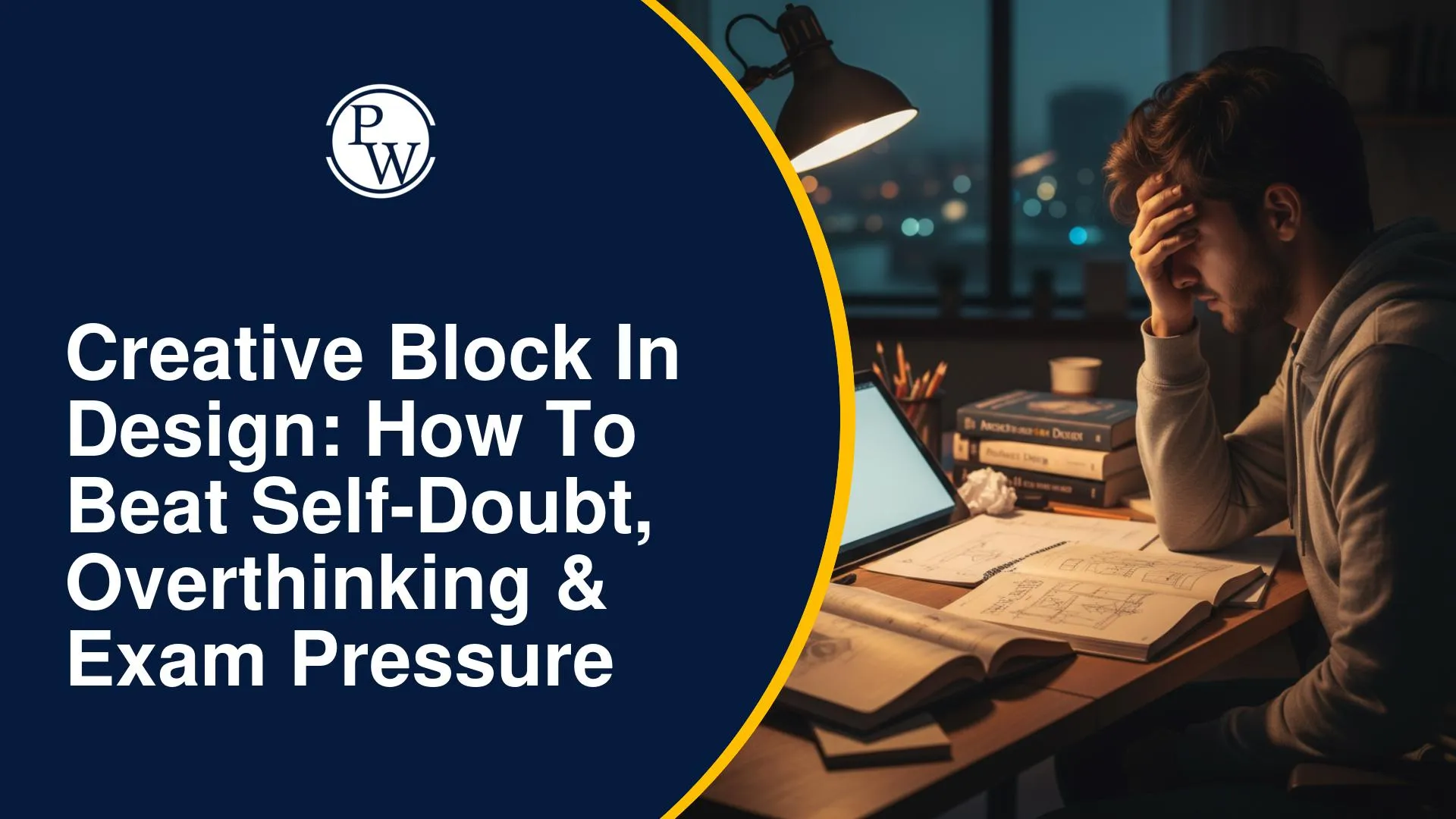
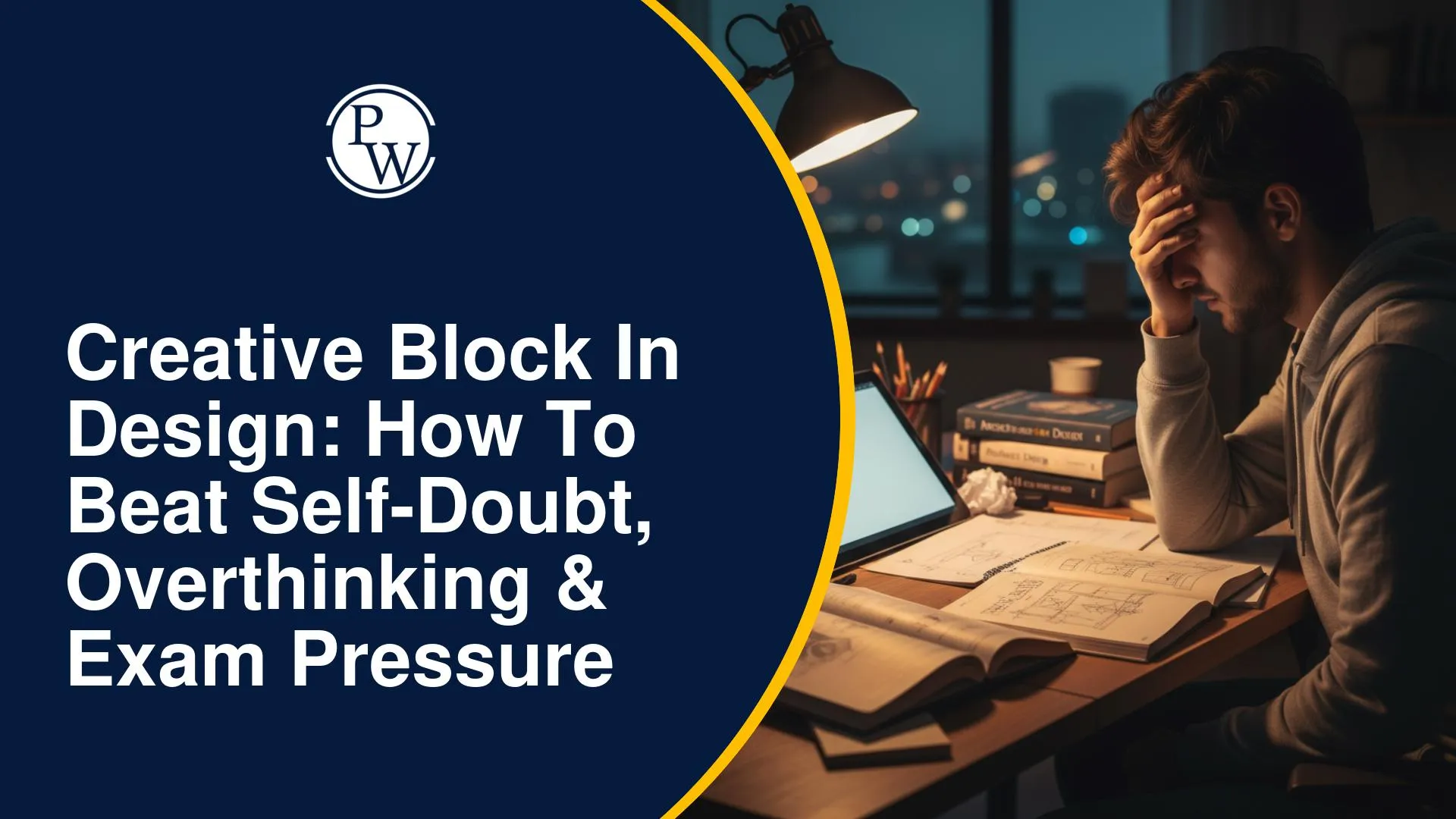
Preparing for design entrance exams is exciting, but it also comes with moments of stress, self-doubt, and creative exhaustion. Renowned design faculty Sakshi Mam shares her journey from being a design student to becoming a mentor.
She discusses practical ways to overcome creative blocks, handle exam pressure, stay disciplined, and develop the mindset needed to succeed in design. Her advice reminds students that growth comes through curiosity, consistency, and enjoying the learning process.
How to Understand and Overcome Creative Block in Design
Creative block is one of the most common challenges faced by design aspirants. Even after hours of sketching, students may feel that no new ideas are coming. Instead of panicking, Sakshi Mam explains how to handle this phase calmly.
-
What is a Creative Block?
A creative block is a stage where you continue working but struggle to generate fresh ideas. This often leads to self-doubt, making students question their abilities and creativity. It is a temporary phase that almost every design student experiences.
-
Dealing with Overthinking
According to Sakshi Mam, overthinking makes creative blocks worse. Instead of forcing ideas, students should step away from their work, take a short break, and give their minds time to relax. A refreshed mind is far more productive than an exhausted one.
-
Restarting the Process
After taking a break, return to sketching with a fresh perspective. Resetting your mind allows ideas to flow naturally and helps you overcome the creative block without unnecessary pressure.
Managing Self-Doubt and Parent Expectations During Preparation
Most students worry about whether they can complete the syllabus, perform well, or meet their parents' expectations. Sakshi Mam believes these thoughts are natural but should not control your preparation.
-
Enjoying the Journey
Instead of constantly worrying about results, students should enjoy the preparation process. Every day of learning helps improve creativity, observation, and confidence.
-
Exams Don't Decide Your Life
One entrance exam does not define your future. Treat the exam as an opportunity to learn rather than as the final decision about your career. Removing this pressure helps students perform with greater confidence.
-
Transforming Family Pressure into Motivation
Parents invest their time, trust, and resources because they believe in their children. Rather than viewing this as pressure, students should use it as motivation to stay focused and give their best effort.
The Crucial Role of Discipline and Mentorship
A good mentor does much more than teach concepts. They guide students, correct mistakes, and help them stay focused throughout their preparation.
-
Setting the Boundary Line
Students should enjoy learning, but discipline is equally important. Every classroom has boundaries that help maintain a productive learning environment.
-
Correction Through Strictness
Sometimes mentors become strict when students lose focus or move in the wrong direction. Their intention is not to discourage students but to help them return to the right path.
-
The Selfless Intent of Gurus
According to Sakshi Mam, after parents, teachers are among the few people who genuinely wish to see students succeed without expecting anything in return. Their guidance is always aimed at helping students build a better future.
Can Average or Non-Art Background Students Crack Design Exams?
Many aspirants believe that only naturally talented artists can succeed in design. Sakshi Mam strongly disagrees with this belief.
-
The Value of Curiosity Over Rote Learning
She describes herself as an average student but a very curious learner. Design is not about memorising information; it is about asking "why," observing problems, and thinking differently.
-
Keeping Your Competition Close
Students should learn from classmates who perform better. Instead of comparing negatively, identify your weak areas and improve by understanding what others are doing well.
-
Developing Everyday Observation Skills
Observation is one of the most important design skills. Students can improve it by paying attention to newspapers, everyday objects, surroundings, and current issues. Strong observation combined with curiosity gradually improves creativity through regular practice.
FAQs
1. What is a creative block?
2. How can students deal with self-doubt and family expectations?
3. Why are mentors and discipline important?
4. Why is adaptability important in design preparation?
5. Can an average student crack a design exam?





Get Free Counselling Today
and Clear up all your Doubts
 Live & recorded classes available at easeDashboard for progress trackingLakhs of practice questions

