Inventory Accounting: Benefits and How Does It Work?
 Nikita Aggarwal1 May, 2025
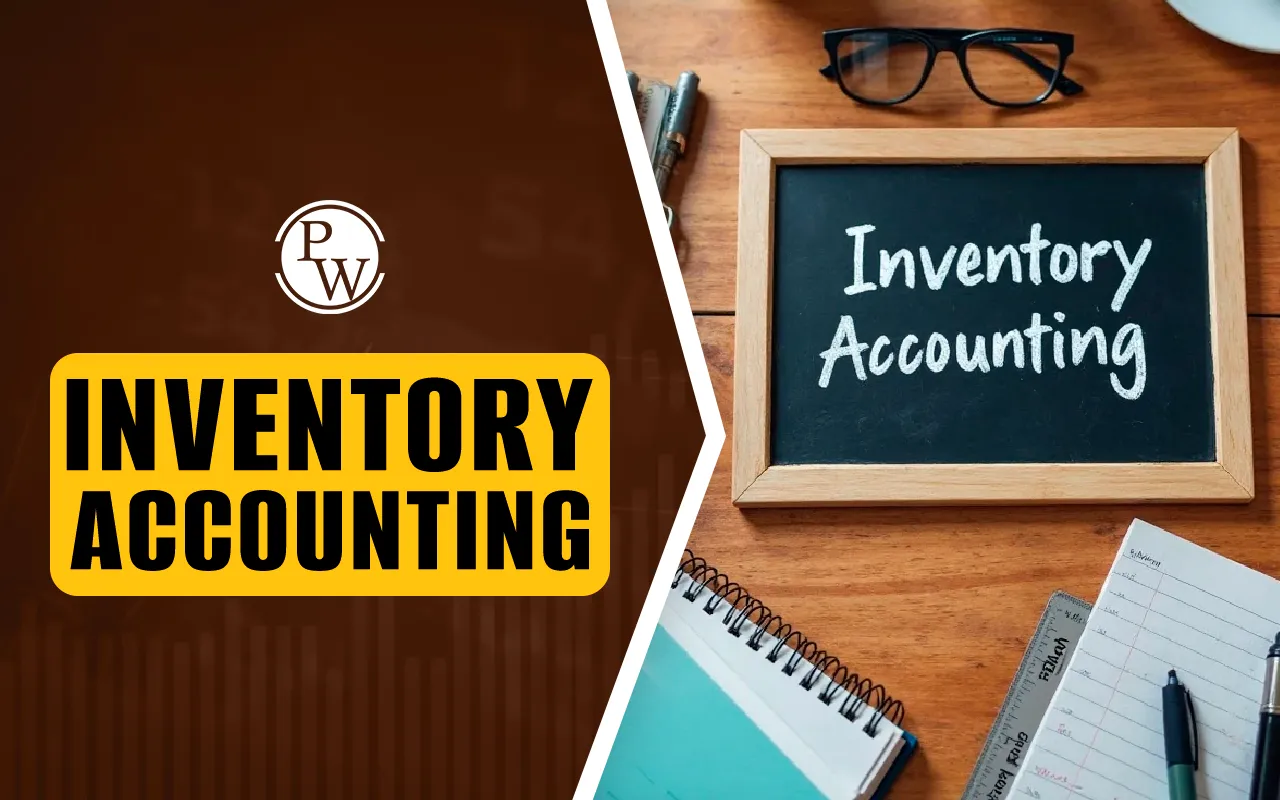
Businesses make sure they have enough items to meet customer demand by keeping an eye on and managing their inventory. They may monitor these products and ensure that they have adequate stock for effective manufacturing and sales by using inventory accounting. A company may remain productive and organised by knowing how to enter such resources into an accounting system and ensure that they satisfy customer needs.
The valuation of products that are in stock but have not yet been sold to clients is known as inventory accounting. Goods, raw materials, and other items that a business purchases, produces, and has on hand for its customers might all be included in its inventory.
Inventory Accounting Meaning
Accounting is defined as an organised method of monitoring and controlling a business's stock items, such as raw materials, work-in-progress, and completed products. The goal is to maintain accurate records of the costs, prices, and quantities associated with inventory.
Inventory accounting is a strategic tool for companies looking for ways to improve their operations, in addition to being required by law. Businesses may improve financial transparency, follow tax laws, and make well-informed decisions to ensure success in the fast-paced corporate world of today by keeping correct records and using appropriate accounting methods.
How Inventory Accounting Works
Under GAAP, inventory must be properly accounted for in accordance with a highly particular set of criteria to minimize the risk of understating inventory value and hence overstating profit. Revenue less expenses equals profit. Inventory is sold to earn revenue. The profit from the sale of the inventory may be overestimated if the inventory value (or cost) is ignored. As a result, the company's worth can rise.
The possibility that a business might raise its inventory value is the other thing that the GAAP regulations prevent. Since inventory is an asset, it has an impact on the whole value of the business. The value of an organization's inventory may drop if it is producing or selling an outdated product. The worth of the company's assets as well as the firm itself may be exaggerated if this is not appropriately reflected in the financial statements.
Inventory Accounting Benefits
The key element of any company that deals with physical goods is inventory accounting.Reviewing the present inventory, monitoring inventory input and outflow, and figuring out the cost of products sold are all steps in the process. The following are a few Benefits of inventory accounting:
Read More - Financial Intermediary: Definition, Types, and How It Works
Better Financial Control
Accurate and current information on inventory levels is provided by inventory accounting, allowing companies to monitor their stock and make good decisions. Businesses can lower the risk of stockouts or overstocking by using this information to prepare for purchases, sales, and production.
Accurate Financial Reporting
Inventory accounting provides detailed information on inventory value, cost of things sold, and inventory turnover, ensuring accurate financial reporting. This data is necessary for tax filing and financial statements, allowing companies to follow to rules and give stakeholders clear financial reporting.
Cost Savings
By lowering the chance of overstocking, it helps companies avoid unnecessary expenditures. It helps companies find older or slow-moving inventory so they may take prompt action to get rid of it and free up important storage space.
Improved Decision-making
It offers plenty of data that companies can use to make good choices. For example, businesses can use inventory data to calculate demand and discover trends, allowing them to modify their purchase and production choices appropriately.
Increased Efficiency
Because inventory accounting eliminates the time and effort needed for manual inventory management, it can simplify business processes. Businesses can concentrate on other areas of their operations, including marketing and sales, by automating inventory management, which also guarantees accurate inventory tracking and reporting.
Inventory Accounting Methods
Companies should select an inventory accounting system that fits their processes as well as applicable accounting rules and guidelines. The majority of organisations review their inventory using these four basic methods:
Specific identification
This approach keeps track of every item in the company's inventory from the time it is added until it is sold. It does this by using the RFID tag, serial number, or stamped receipt date. Businesses usually apply this method of evaluation to massive, easily recognised, high-value objects.
First-in, first-out (FIFO)
The first item to enter the company's inventory may also be the first to be sold, according to the first-in, first-out (FIFO) approach of valuation. It is mostly used by businesses to track fragile products like food and medications.
The last-in, first-out (LIFO)
This approach of valuation assumes that a business would sell its newest inventory items first and its older products later. Businesses dislike LIFO because older inventory products often have a lower probability of finding purchasers, and they might only use the LIFO system if item prices are expected to rise.
Weighted Average Cost
This is a method used by businesses to value similar units that can be difficult to identify and monitor individually in terms of cost. The weighted average cost of each unit is calculated by dividing the entire cost of the inventory's commodities by the total number of units.
What to Include in Inventory Accounting
A company's various items must be carefully tracked and valued for inventory accounting to be effective. Let's analyse what should be included for each category in inventory accounting:
-
Raw Materials
The basic components used for the manufacturing of items are referred to as raw materials. The advance price of buying raw materials. Costs related to processing and storing raw materials. Expenses related to delivering raw materials to the manufacturing site.
-
Work-in-Progress Goods (WIP)
Work-in-progress products are goods that are in various stages of completion throughout the manufacturing process. Expenses like labor and raw materials are directly associated with the production of products. Indirect costs that assist in the production process. Indirect expenses that support the manufacturing process, like rent and utilities. Costs should be distributed according to each WIP item's completion percentage.
Read More - Importance of Financial Inclusion, Challenges, and Indian Schemes
-
Finished Goods
Completed items that are prepared for sale are known as finished goods. total of all production-related expenses, including overhead and direct costs. Expenses associated with shipping the completed items in packaging. Expenses related to handling and storing the final products.
-
MRO Goods (Maintenance, Repair, and Operations)
MRO products are supplies and materials used for daily operations, maintenance, and repair. The price of purchasing MRO products. Keep track of when and how MRO products are used. Costs associated with MRO inventory restocking.
-
Resale Goods
Products purchased to resell without undergoing additional processing are known as resale goods. The price of purchasing used products. Expenses related to handling and shipping resale items. Costs related to keeping resale inventory and storing it.
Build Your Career with a Certificate Program in Accounting, Taxation, and Finance
The objective of the PW Finance, Tax, and Accounting Course is to provide you with the skills, information, and practical experience you need to succeed in the field of accounting. This four-month hybrid program, taught on weekdays in recorded and live lectures, contains practical case studies guided by PwC India.
FAQ
How is inventory classified in accounting?
What are the types of inventory?
What are the most common inventory accounting methods?
How does inventory accounting affect financial statements?


 Live & recorded classes available at easeDashboard for progress trackingLakhs of practice questions