







GATE 2026 ME AIR 61: How Satyam Santra Turned a Setback Into Success With PW
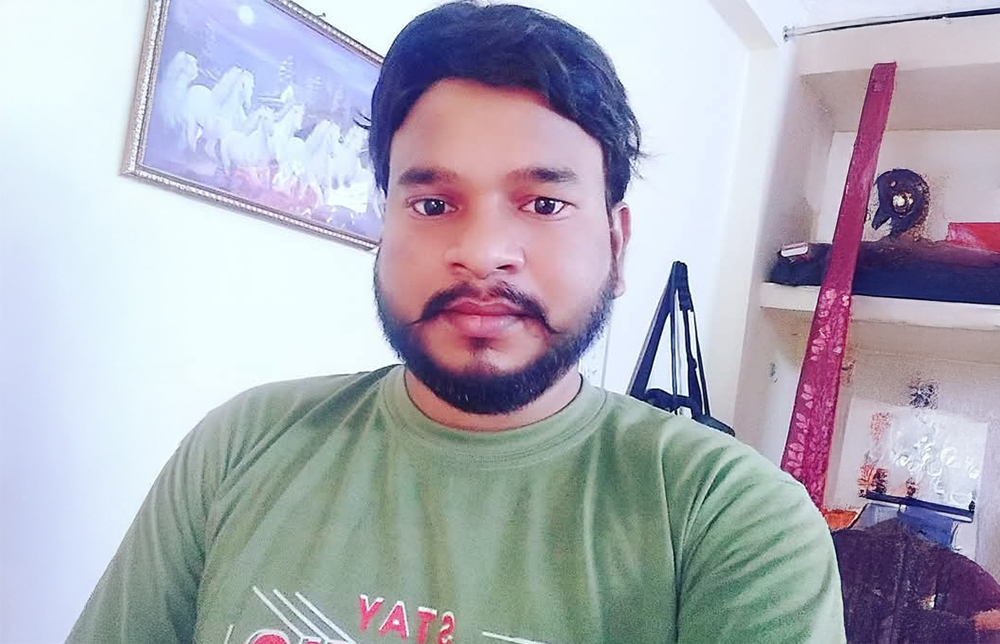
GATE is one of the toughest exams for engineering graduates in India, and every rank improvement takes real effort behind it. Satyam Santra, a mechanical engineering graduate from Hooghly, West Bengal, knows this well.
After a disappointing GATE 2025 attempt, Satyam started his preparation again with a fresh approach. He relied on Physics Wallah's (PW) material science classes and consistent revision. This helped him secure AIR 61 in GATE 2026 ME. His journey shows that one setback does not decide the final result.
Satyam's Journey From Job to GATE Preparation
Satyam completed his degree in 2023 and spent his first year after graduation working in industry before transitioning into full-time GATE preparation.
Recalling this phase he said:
"Sir, maine pehle ek saal job kiya tha. Phir maine 2025 ke liye drop liya tha. Vijay 2025 batch liya tha, but pichhle saal 2025 mein thoda mistake hua, matlab thoda silly mistake hua, isliye rank thoda peeche chala gaya tha."
This shows that Satyam's GATE journey was not easy from the beginning. He worked for a year before preparing seriously for the exam, and his first attempt did not go as planned because of a few avoidable mistakes.
Satyam's 2025 Setback and What He Learned
Satyam’s 2025 experience extended beyond the written test to a BARC interview. Reflecting on the panel's technical questions, Satyam recalled:
"First of all sir, four subjects poochha tha. First question theek-thaak tha, phir uske baad thoda problem hua, matlab atak gaya tha. Fluid Mechanics mein fluid machinery se poochha tha, to woh theek se bata nahi paaya tha, aur Strength of Materials achha nahi gaya tha."
This experience showed Satyam where he needed to improve. He performed well in some subjects like heat transfer, but weaker preparation in strength of materials and fluid machinery affected his interview. He realised that he needed a stronger understanding of core subjects, especially material science, for his next attempt.
How PW Supported Satyam Santra's Material Science Preparation
For his 2026 attempt, Satyam gave special attention to material science, a subject he had not prepared well earlier. This time, he studied from PW's Khazana class notes, which included detailed lessons on topics like dislocation theory.
He described this preparation clearly:
"Aapka Vijay batch tha aur aapka woh jo batch tha, kya bolte hain, Khazana. Sir, Khazana se maine aapka poora note banaya tha. Matlab aapka Science bahut hi achha hai."
Along with the recorded classes and notes, Satyam also used PW's weekly Sunday Telegram live doubt-solving sessions to clear his concepts whenever needed. Instead of switching to new reference books, he stuck to his existing PW class notes for Material Science, an approach that saved time and kept his revision focused.
The Outcome: Satyam Secured AIR 61 in GATE 2026
This focused preparation paid off directly in the exam. Materials science questions in GATE 2026 were comparatively easier, and even a tricky unit-conversion twist, where density was given using a nanometre-based radius instead of the usual format, did not throw him off because of his solid preparation.
Sharing his result, Satyam said:
"Is baar M mein ho gaya. Kitna? Kaunse mein? Me me 61 mein rank hai."
With AIR 61 in GATE 2026 ME, Satyam now has several paths open to him. He is weighing options between PSU jobs, a BARC interview and scientist role, and M.Tech admission at institutes like IISc and IITs in design or thermal specialisations, with a final decision expected closer to the counselling period.
What GATE Aspirants Can Learn From Satyam Santra
Satyam Santra's journey shows that one disappointing attempt does not decide the final result. After working for a year, facing setbacks in interviews, and identifying gaps in his preparation, he came back with a better plan and stronger focus.
He worked on his weak areas, especially material science, and regularly used PW's notes and doubt-solving sessions. His efforts helped him secure AIR 61 in GATE 2026 ME. His journey reminds every GATE aspirant that consistent preparation and regular revision can make a real difference.





Get Free Counselling Today
and Clear up all your Doubts
 Live & recorded classes available at easeDashboard for progress trackingLakhs of practice questions

