How Debarshi Das Secured AIR 6 in IIT JAM 2026 Physics with PW’s Recorded Lectures and DPPs
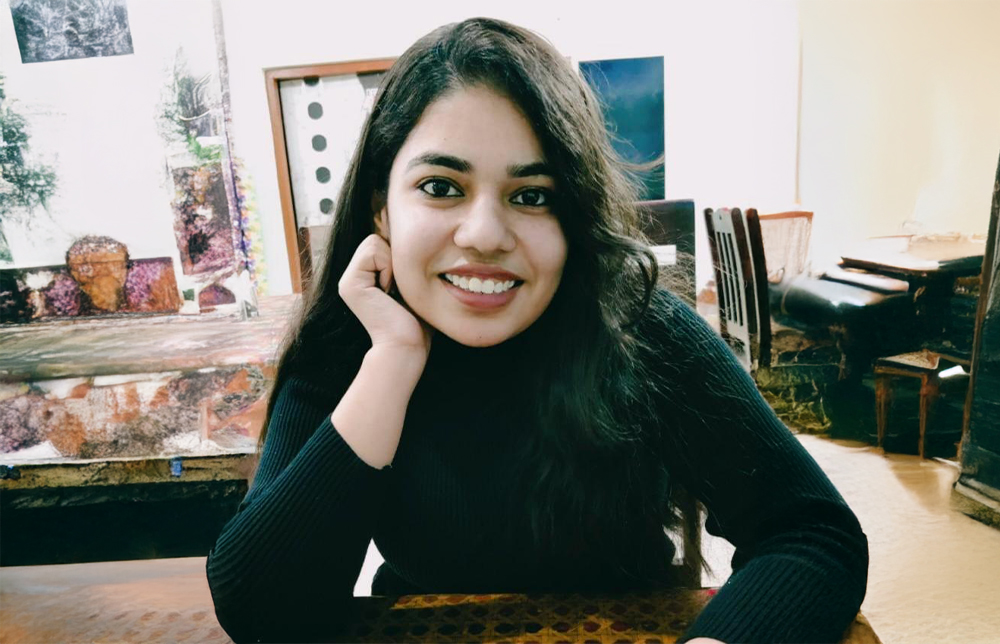
IIT JAM 2026 Physics AIR 6 Debarshi Das achieved a remarkable rank after completing his BSc Physics Honours from St. Stephen’s College, Delhi. Originally from Nalbari, Assam, Debarshi completed his schooling in Assam before pursuing Physics at the undergraduate level. After graduating, he took a drop year and dedicated himself to competitive exam preparation from home.
His preparation focused on building on the conceptual foundation developed during college while systematically following lectures, study material and DPPs through PW. Alongside IIT JAM, he also prepared for the TIFR examination. His strategy combined conceptual learning, regular practice, revision, mistake analysis, and consistent daily targets.
IIT JAM 2026 AIR 6 Debarshi Das: From BSc Physics to a Top Rank
Debarshi Das secured AIR 6 in IIT JAM 2026 Physics. Originally from Nalbari, Assam, he completed his schooling in Assam and pursued BSc Physics Honours from St. Stephen’s College, Delhi. After graduating last year, he returned home and focused on entrance-exam preparation.
After graduation, Debarshi spent most of his time at home preparing for IIT JAM as well as the TIFR examination. He followed the lectures and study material rigorously and continued working with DPPs.
“Last year July-August ke baad se main ghar pe hi hoon. I was preparing for this exam, preparing for the TIFR exam. Daily routine basically tab se yahi tha. Maine textbooks padh hi rakhi thi jab college ke classes the, toh I followed the lectures and material rigorously. Wahi follow karte rahe, DPPs chalte rahe aur ho gaya.”
His graduation background gave him a strong foundation, while his focused preparation after college allowed him to work specifically towards the competitive examination.
How Debarshi Das Started His IIT JAM 2026 Preparation
Debarshi started his dedicated preparation around August after completing graduation. Since he had already studied the textbooks during college, he focused on systematically following lectures and study material. His preparation also included the TIFR examination, making his schedule relatively hectic.
“Mere liye thoda hectic isliye hua because August se maine start kiya, but maine jo batch liya tha, Saakaar 2.2, woh kuch months pehle se hi start ho gaya tha. And I did that for a reason because December mein mera TIFR exam tha, toh I wanted ki usse at least ek month pehle main syllabus finish kar loon.”
Because the batch had already started, Debarshi had to manage the existing content along with his preparation timeline. He therefore worked at an accelerated pace to finish the syllabus before TIFR.
“Toh woh bhaag-daud thodi hectic thi, but it was worth it. TIFR bhi achha nikla. But haan, agar aap sirf JAM ke liye kar rahe ho, toh six months, sir, very good hai. JAM se thoda level up rehta hai, no doubt, but wahan concepts same hain. Bas level of questions poochhne ka aur framing ka difference hai.”
His experience showed that a focused six-month preparation period can be effective for students preparing specifically for IIT JAM, provided they remain consistent.
Debarshi Das’ Strong and Weak Physics Units
During his preparation, Debarshi identified the areas where he was already comfortable and the units that required additional attention. His stronger areas included Quantum Mechanics, Mechanics, and Mathematical Physics.
“Strong units mein aaye toh Quantum Mechanics, Mechanics, phir Mathematical Physics. Matlab jo aur subjects hain, woh kaafi strong the.”
Solid State was comparatively weaker for him. According to Debarshi, the subject becomes much easier once its concepts are properly understood, but losing continuity can make it difficult.
“Solid State, it’s about agar pakad mein aa jaaye toh bahut achhi hai. Agar kahin par bhi loosen up ho gayi, toh phir nikal jaati hai. Agar aap pakad lete ho, kuch cheezein seekh jaate ho, toh bas phir toh pakad mein aa jaati hai achhi. Otherwise phir nikal jaati hai.”
His preparation therefore involved maintaining his stronger areas while giving additional attention to topics where he needed more conceptual clarity.
How Debarshi Das Used PW Recorded Lectures and DPPs
Debarshi primarily used recorded lectures during his PW preparation. This allowed him to cover multiple lectures in a day and clear the backlog created because he had joined a batch that had already begun.
“Classes mein mostly recorded hi leta tha because phir main din ke three-four lectures saath mein kar pata tha, 2x pe. Us time mere paas option bhi nahi tha because mujhe thoda jaldi finish karna tha, matlab aage ka backlog bhi khatam karna tha.”
He followed the lectures with DPP practice and tried to complete the DPPs on the same day or the following day. He also analysed his mistakes and referred to textbooks or asked teachers whenever required.
“Har class ka jo DPP hai, woh usi din main karta tha. Agar three lectures kar liye toh unke DPPs I will try to finish that day or even next day. Phir unke mistakes analyse karna ki kahan galtiyan hui, kya wrong hua. Aur kabhi at least kuch textbooks pe refer kar liya, nahi toh teacher se bhi doubt pooch liya.”
This combination of recorded lectures, DPPs, mistake analysis and reference material became an important part of his preparation routine.
How Debarshi Das Stayed Motivated During His Drop Year
Debarshi had taken a drop year and remained largely focused on studying at home. Since he had not appeared for IIT JAM the previous year, this was his first attempt at the examination.
“Ek pressure yeh tha ki agar drop liya hai toh yeh waste nahi hona chahiye. Matlab aisa nahi lagna chahiye ki at the end of drop year, nahi leta toh bhi same hi hota. And actually last year maine JAM diya hi nahi tha. Mera plan hi nahi tha JAM dene ka.”
The desire to make the drop year productive became an additional source of motivation. He wanted his focused preparation to result in meaningful progress.
“Maine yeh exam pehle nahi liya tha. This would have been my first time giving. Toh agar is baar kharab ho jaata after spending, after being solely focused on this exam only, then toh bahut bura lagta. So I think that was the bigger motivation for me ki waste nahi hona chahiye.”
This mindset helped him remain focused throughout the preparation period and ultimately secure AIR 6.
Debarshi Das on Time Management in Competitive Exams
When asked to choose between revision and practice, Debarshi preferred practice because he believed question practice naturally creates opportunities for revision. He also described the two as interconnected rather than completely separate activities.
“I will say practice, because question practice and phir uske connection mein aapka revision ho hi jaata hai in a way. Actually yeh dono aspects coin ke do aspects hain.”
The broader preparation cycle involved practice, analysis and revision repeatedly. Rather than treating one as a replacement for another, he followed them as connected stages.
“Practice kariye, analyse kariye, revise kariye and then go for practice again. Toh ek cycle chalti hai. Ek doosre ko aap separate out bilkul bhi nahi kar sakte.”
This approach kept his preparation active while allowing mistakes and performance to feed back into revision.
Debarshi Das’ IIT JAM Strategy: Practice, Analysis and Revision
When asked to choose between revision and practice, Debarshi preferred practice because he believed question practice naturally creates opportunities for revision. He also described the two as interconnected rather than completely separate activities.
“I will say practice, because question practice and phir uske connection mein aapka revision ho hi jaata hai in a way. Actually yeh dono aspects coin ke do aspects hain.”
The broader preparation cycle involved practice, analysis and revision repeatedly. Rather than treating one as a replacement for another, he followed them as connected stages.
“Practice kariye, analyse kariye, revise kariye and then go for practice again. Toh ek cycle chalti hai. Ek doosre ko aap separate out bilkul bhi nahi kar sakte.”
This approach kept his preparation active while allowing mistakes and performance to feed back into revision.
Debarshi Das on Studying Multiple Physics Units Together
During the period when he was using recorded lectures and clearing his backlog, Debarshi studied multiple Physics units simultaneously. This approach helped him remain connected with different parts of the syllabus.
“Jab main recorded lectures dekh raha tha, especially jo backlog clear kar raha tha, tab main ek saath two-three units kar raha tha. Not more than that. Kyunki jo batch bhi tha, Sakar ka, usmein bhi aisa hi chalta tha ki two or three teachers parallelly two or three papers padhate the.”
However, he emphasised that starting new units should not mean abandoning previously studied ones. Regular revision remained necessary to prevent older topics from being forgotten.
“Point yeh hai ki jab aap un three ko chhod ke next three pe move karein ya next two topics pe move karein, pehle three ko revise karte raho. Nahi toh phir woh padha na padha se ho jaayega. Toh regular revision is very important.”
His strategy was therefore to keep two or three units active while continuously revising earlier material.
Debarshi Das’ Final Advice for IIT JAM Aspirants
Debarshi’s final advice centred on discipline, consistency and taking preparation one step at a time. He acknowledged that a large syllabus can initially feel overwhelming, but suggested following the guidance of mentors and completing daily work consistently.
“I think discipline, consistency kisi bhi competitive exam ke liye yahi cheezein hoti hain. Agar at the start of your preparation aap utna confident nahi feel kar rahe ki itna saara topic hai, itna syllabus hai, kaise cover ho, kya hoga, if you do it one step at a time...”
He also stressed that students should divide their larger goals into smaller daily targets and work towards them consistently.
“Daily har din ka kaam kar rahe hain, toh I think ki ho jaayega. At least mera padhne ka tareeka yeh hota hai ki main bahut strict schedule nahi banata. At the start of the day, I take three-four goals ki at the end of the day mujhe karna hai.”
With AIR 6 in IIT JAM 2026 Physics, Debarshi Das’ journey highlights the role of a strong undergraduate foundation, consistent preparation, DPP practice, conceptual learning, PYQ analysis, revision and daily targets. His experience through PW offers IIT JAM aspirants a perspective on balancing conceptual depth with competitive-exam practice.