How PW’s Saakaar 4.0 Helped Anmol Reach AIR 4 in IIT JAM 2026 Physics
Anmol Mehrotra secured AIR 4 in IIT JAM 2026 Physics with 62 marks by focusing on problem-solving, PYQs, DPPs, targeted revision, and consistent practice. His preparation with PW’s Saakaar 4.0 Physics batch helped him work on weaker areas such as Optics and Electronics while strengthening his overall exam strategy.
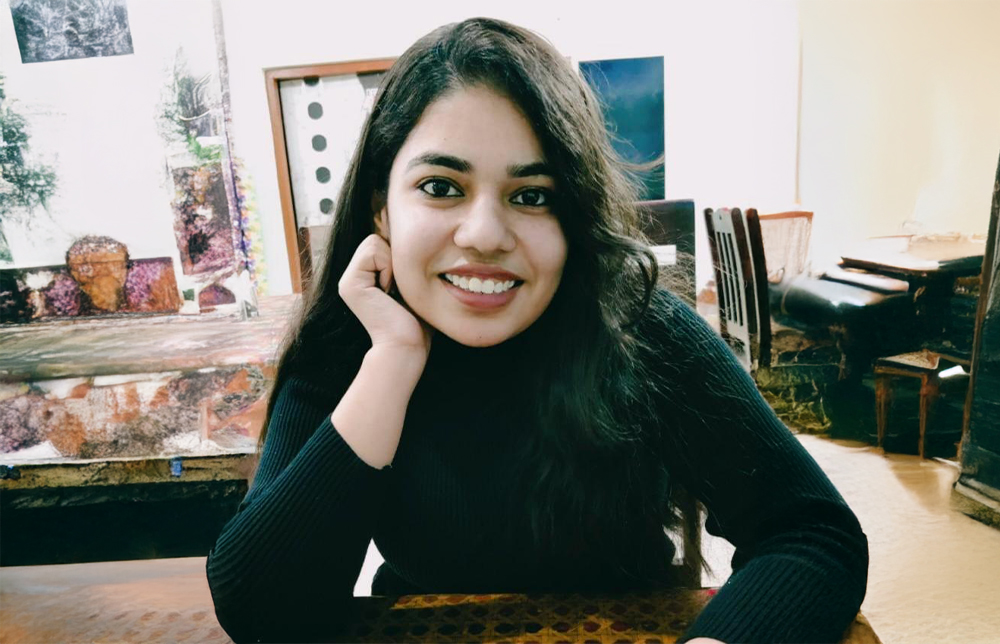
Anmol secured AIR 4 in IIT JAM 2026 Physics with a score of 62 marks. A sixth-semester student from Khalsa Sri Guru Gobind College in Chandigarh, he entered his IIT JAM preparation with a strong foundation in several Physics topics. Instead of spending equal time on every unit, Anmol identified where he was already comfortable and where he needed more work.
His preparation with PW’s Saakaar 4.0 batch focused on problem-solving, DPPs, PYQs, mock tests, and targeted revision. His approach was particularly focused on strengthening areas such as Optics and Electronics while using his existing strengths efficiently.
Anmol Started by Identifying His Strong and Weak Areas
Anmol already had a good understanding of Mechanics, Electrodynamics and Thermodynamics. This meant that these subjects required more of a brush-up than a complete conceptual study. He therefore used lectures selectively and spent more time solving problems.
“Toh ma'am matlab jo basics the Mechanics, Electrodynamics, Thermo ke woh sab toh theek the mere. Toh usmein mere ko koi zyada issue nahi hui kyunki usmein toh bas brush up ho gaya tha lectures vagairah dekh ke aur mainly problem solving kari thi maine un lectures se aur DPPs vagairah se bhi.”
The situation was different for Optics and Electronics. Anmol considered both of these areas more difficult and knew that they would require greater attention. Rather than allowing his preparation time to be divided equally across the syllabus, he consciously spent more time where his understanding was weaker.
“Phir jo main maine sabse zyada time jo spend kiya tha woh us par kiya tha Optics pe aur Electronics pe. Aap dono ke jo the woh toh usmein main jo learning wala part tha mera, jo sabse mushkil mere ko lage the, woh wahi dono lage the. Tabhi maine sabse zyada un pe hi focus kiya tha.”
This became one of the defining features of his preparation: strong areas were revised and practised, while weaker areas received the additional learning time they needed.
PW’s Saakaar 4.0 Helped Anmol Follow a Flexible Study Approach
Anmol was connected with PW’s Saakaar 4.0 batch during his preparation. However, he did not follow the lectures mechanically. If a topic was already clear to him, he preferred to move directly to problem-solving instead of spending additional time watching the lecture.
For example, Electrodynamics was one of his stronger areas. He would open his notes, attempt the problems without immediately looking at the answers and then move to the DPP once he had gone through the material.
“Nahi, jaise maine agar Electrodynamics hai toh mere ko aata tha toh uska main lecture nahi dekhta tha. Main simply woh jo notes hote the woh kholta tha. Usmein direct main problem solving karta tha bina answer vagairah dekhe.”
Once he had worked through the notes and questions, he would immediately use the DPP to continue practising the same concepts.
“Phir woh ek baar clear hogi woh saari slides, poore notes, toh us immediately main DPP karta tha.”
This helped Anmol use the resources according to his own level of preparation. Instead of treating lectures, notes and DPPs as separate tasks to complete, he connected them according to what each topic required.
Anmol Used PYQs to Decide What Deserved More Attention
After completing his notes and DPPs, Anmol moved towards PYQs and mock tests. This stage helped him understand the nature of the questions and identify areas where selective preparation could be useful.
Solid State Physics was one such area. He found memorisation difficult and initially considered its weightage relatively low. However, a look at the previous 10 years of questions changed his approach.
“Exam se just one week pehle maine yeh dekha tha ki last jo 10 years ke questions hain woh aage se aur woh sirf us pe aa rahe hain. Do structures pe aa rahe hain. Woh ek pata nahi BCC tha aur ek SCC tha.”
Based on this observation, he focused on those specific structures along with Fermi-related concepts. That targeted effort paid off when he encountered questions from the same areas.
“Toh bas maine woh learn kiya aur maine Fermi kiya, Fermi energy vagairah, aur usse mere 60% question ho gaye the aur is baar ke saare ho gaye the mere se.”
For Anmol, PYQs were therefore not simply another practice resource. They also helped him decide what to prioritise when time was limited.
Problem-Solving Became the Core of Anmol’s Preparation
Anmol's preparation gradually moved from learning and revising concepts to solving questions repeatedly. His experience with the TIFR examination also made him realise that conceptual knowledge alone was not enough.
He specifically noticed that calculation speed could become a problem in an actual examination, where there is limited time to work through lengthy calculations.
“Matlab jaise agar koi derivative hai toh ab mere ko calculate karna aata hai. But agar main aapko bahut mushkil se de doon ki sin of cos of sin x karo, uska six derivative karo, toh aap chaar ghante mein kar loge. But paper mein itna time nahi hoga na aapke paas.”
This made calculation practice an important part of his preparation. He wanted to become comfortable enough with complicated calculations that he could handle them within the time available in the exam.
“Toh uski practice bahut zaroori hai.”
His approach shows why he placed so much emphasis on solving problems rather than relying only on lectures or theoretical revision.
Anmol Created a 100-Page Diary for Focused Revision
Alongside his regular notes, Anmol maintained a small diary for things that he found difficult to remember. He deliberately kept it concise rather than filling it with everything he studied.
“Ma'am bas jaise main notes padh raha hoon toh main saath-saath apne short notes banata rehta tha. Matlab kuch bhi usmein main extra nahi likhta tha. Bas simply woh cheezein jo mere ko yaad nahi rehti thi.”
The diary eventually became around 100 pages and covered the IIT JAM syllabus. Instead of creating another detailed set of notes, he used it as a compact revision resource.
“Toh us wajah se meri ek chhoti si diary thi. 100 pages ki hogi woh, woh complete thi saari JAM ke syllabus se. Usko bas ek baar main padhta tha aur phir khud se memorise, matlab phir khud se jab main problem solving karta tha toh memorise karne ki koshish karta tha jitna ho sakta tha.”
This allowed him to combine revision with active recall. Rather than simply reading the material again and again, he tried to remember the concepts while solving questions.
Anmol Prioritised Consistency Over Long Study Hours
When asked what future IIT JAM aspirants should follow, Anmol returned to the importance of practice and consistency. He believed that students should not assume a question will be easy simply because they understand the underlying concept.
“Ma'am, ek toh wahi cheez ki matlab practice zaroor karni hai. Sirf yeh nahi sochna ki mere se ho jaayega, ki matlab yeh equation hai, yeh toh main solve kar hi loonga. Woh nahi karna aur consistent rehna hai.”
For students who begin preparation well in advance, he did not believe that studying extremely long hours every day was necessary. Instead, he emphasised maintaining a regular routine.
“Matlab yeh nahi ki aap 8 ghante padh rahe ho. Agar aap jaise abhi aapke paas almost ek saal hai, toh koi bachcha abhi padhna shuru kar raha hai aur woh din ke sirf dedh ya do ghante bhi de raha hai, hafte mein let's say overall 10 hours de raha hai, toh easily aa jaayega uska rank.”
His own preparation therefore reflected the same principle: rather than depending on short bursts of intense study, he built his preparation around regular practice and targeted improvement.
Anmol Took Breaks to Manage Stress During Preparation
Consistency did not mean that Anmol studied continuously without taking breaks. He shared that there were periods when he stepped away from preparation for a week or even two weeks and spent time playing games or watching television.
“Jaise khud mera aisa time tha ki let's say main hafta ya do hafta kuch nahi kiya. Maine sirf games kheli aur TV vagairah dekha.”
For Anmol, these breaks were part of managing stress. He felt that excessive stress could negatively affect preparation rather than improve it.
“Toh woh kaafi hai ki matlab stress nahi lena chahiye bilkul bhi, kyunki woh kuch karta nahi hai. Woh bas negatively affect karega aapko.”
This was another part of his preparation philosophy: alongside practice and consistency, students also need to manage the pressure that comes with competitive exam preparation.
Anmol’s Focused Strategy Led to AIR 4 in IIT JAM 2026
Anmol ultimately secured AIR 4 in IIT JAM 2026 Physics with 62 marks. His preparation combined PW’s Saakaar 4.0 resources with a highly selective approach to learning and practice. He used lectures where he needed conceptual support, notes and DPPs for familiar topics, PYQs to understand question trends, and mock tests to build exam readiness.
His preparation also remained closely tied to his own strengths and weaknesses. He spent additional time on Optics and Electronics, used PYQs to identify important areas in Solid State Physics, and maintained a compact 100-page diary for revision.
For future IIT JAM aspirants, Anmol’s journey offers a practical lesson: identify what you already know, recognise what needs more work, practise consistently, and use PYQs to guide your preparation. His AIR 4 result shows how targeted preparation can help turn focused practice into a strong performance.