IIT JAM 2026 AIR 15 Physics Topper Ramanand Prajapati’s Success Story with PW
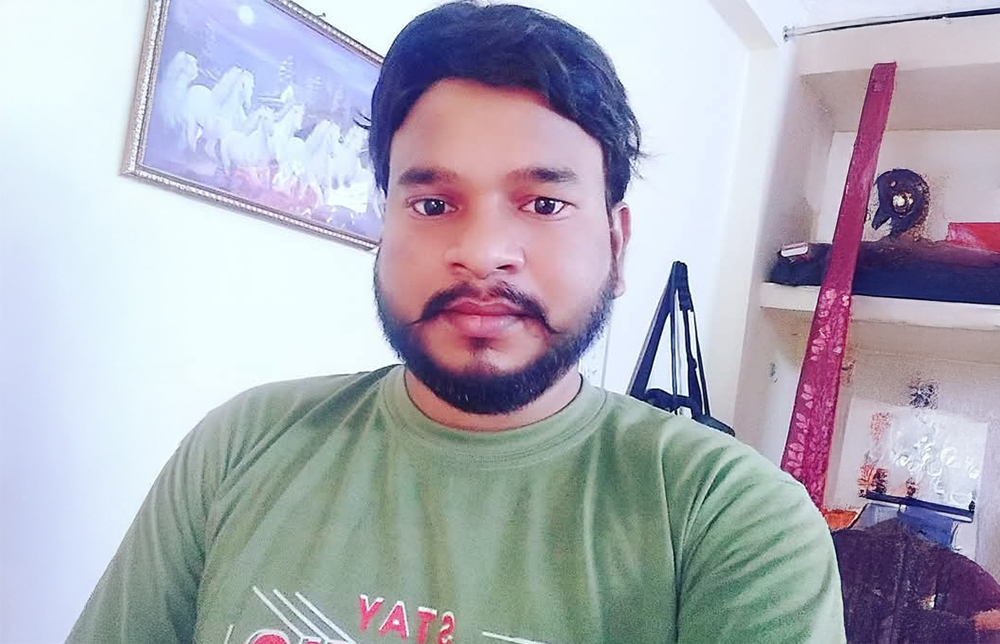


Preparing for IIT JAM while managing college and teaching responsibilities was not an easy task for Ramanand Prajapati. He was in the final semester of his BSc and was also teaching Physics to Class 11 and 12 students. With his time divided between these responsibilities, he had to find a way to prepare for the exam without losing consistency.
Ramanand gradually started his IIT JAM 2026 preparation in July and became more focused from August. Despite his busy schedule, he continued working towards his goal and secured AIR 15 in Physics. His journey shows how a focused study routine, regular practice and effective use of available time can help students prepare for a competitive exam while managing other responsibilities.
How Ramanand Prajapati Started His IIT JAM 2026 Preparation
Ramanand is from Ghazipur, Uttar Pradesh, and was in the final semester of his BSc during the interview. Unlike students who can devote their entire day to exam preparation, he was also teaching Physics to intermediate students.
Ramanand had to fit his IIT JAM preparation around his teaching responsibilities. He used the time between these responsibilities, mainly in the afternoon and at night, for his own studies.
“Actually ma’am subah-subah UP Board walon ko padhate the. Shaam ko CBSE Board walon ko padhate the… intermediate 11-12 walon ko Physics.”
This routine meant that Ramanand could not follow a fixed full-day study schedule. He started his IIT JAM preparation gradually in July and became more focused from August. His college schedule was also relatively flexible, as he mainly needed to attend for examinations, giving him additional time to continue his preparation alongside teaching.
How Ramanand Balanced Teaching, College and IIT JAM Preparation
Managing multiple commitments was an important part of Ramanand's preparation. He used both live and recorded lectures depending on his availability. After completing his lectures and revision, he solved the DPPs. This allowed him to maintain a consistent study routine despite his teaching schedule.
Instead of trying to study from multiple sources, Ramanand kept his preparation focused. He explained that he did not have enough time to follow additional books with his regular preparation.
“Bas khali lecture dekhiye, DPP solve kariye. Bas usi ka revision kariye aur test dijiye. Bas wahi exactly kiye kyunki mere paas utna time bhi nahi tha ki books vagairah follow kare.”
This approach helped him avoid adding unnecessary study material and allowed him to concentrate on lectures, practice, revision, and tests.
How PW's Saakaar Batch Helped Ramanand's Preparation
Ramanand enrolled in PW's Saakaar batch, the long-term batch for IIT JAM preparation. The gradual pace of the batch suited his schedule because he could continue his college and teaching responsibilities without being overwhelmed by classes.
He also discovered the batch through PW's YouTube content. After watching a lecture, he decided to enrol because he felt that the required resources would be available in one place.
“YouTube pe hi dekhe the ma'am. YouTube pe hi dekhe the aise hi ek ek tho lecture aapka dekhe the to mujhe bada pasand aaya. To hum kahe ki isme enroll ho jaate to kyunki ek hi batch mein sabhi cheezein milengi to idhar udhar bhatakne ki zarurat nahi hai.”
He further mentioned that towards the end of October, he stopped using YouTube on his mobile for preparation and continued with the content available through the batch. This gave his preparation a more focused structure instead of requiring him to search for resources across different platforms.
Ramanand's Strong and Weak Areas in IIT JAM Preparation
During the interview, Ramanand identified areas that had become strong through his preparation. These included Electronics, Solid State, Electrodynamics, Modern Physics, and Mathematical Physics.
At the same time, he acknowledged that the static part of Thermodynamics remained comparatively weaker. Recognising stronger and weaker areas helped provide clarity about where his preparation stood.
His preparation therefore was not based on trying to make every topic equally strong immediately. Instead, he continued working through the planned lectures, practice, revision, and tests.
Ramanand's IIT JAM Mock Test and MSQ Strategy
Ramanand regularly attempted mock tests but made mistakes during practice, particularly silly mistakes. He attempted questions according to his preparation and was able to score around 40–45 marks in his mock-test attempts.
One important experience from the actual examination involved MSQ questions. He recalled that he attempted two or three MSQs using option elimination, and those attempts turned out to be correct.
This experience highlights the importance of understanding how to approach different question types rather than leaving questions without considering the available options.
Ramanand's Key IIT JAM Preparation Strategy
When asked what students preparing for IIT JAM should focus on, Ramanand kept his advice simple.
“Bas khali lecture follow karein, revision karein, DPP solve karenge.”
For him, the preparation process revolved around following the lectures, revising what was studied, solving DPPs, and taking tests. He also emphasised that DPP practice should not be skipped even when managing college becomes difficult.
“DPP to solve karna hi padega. Ma'am kuch bhi ho jaye. Karna hi padega.”
His approach reflects the importance he placed on regular practice rather than continuously adding new study resources.
Ramanand's Final Advice on Revision and Practice
As the interview concluded, Ramanand highlighted revision as one of the most important parts of preparation.
“Revision ma'am, revision jitna achha revision rahega utna achha rahenge.”
He also emphasised practice and analysis. The preparation cycle should continue through revision, practice, analysis, and revision again. Ramanand also advised students to trust the preparation process and consistently work with the content provided to them.
His journey shows that preparation does not always require an uninterrupted study schedule. Ramanand managed college, teaching, and IIT JAM preparation by keeping his resources focused and consistently working through lectures, DPPs, revision, and tests. For aspirants preparing for IIT JAM, his experience offers a practical example of how disciplined use of available study time can support preparation.