






JEE Main 2026 Session 2: How to Stay Calm If the Paper Looks Tough
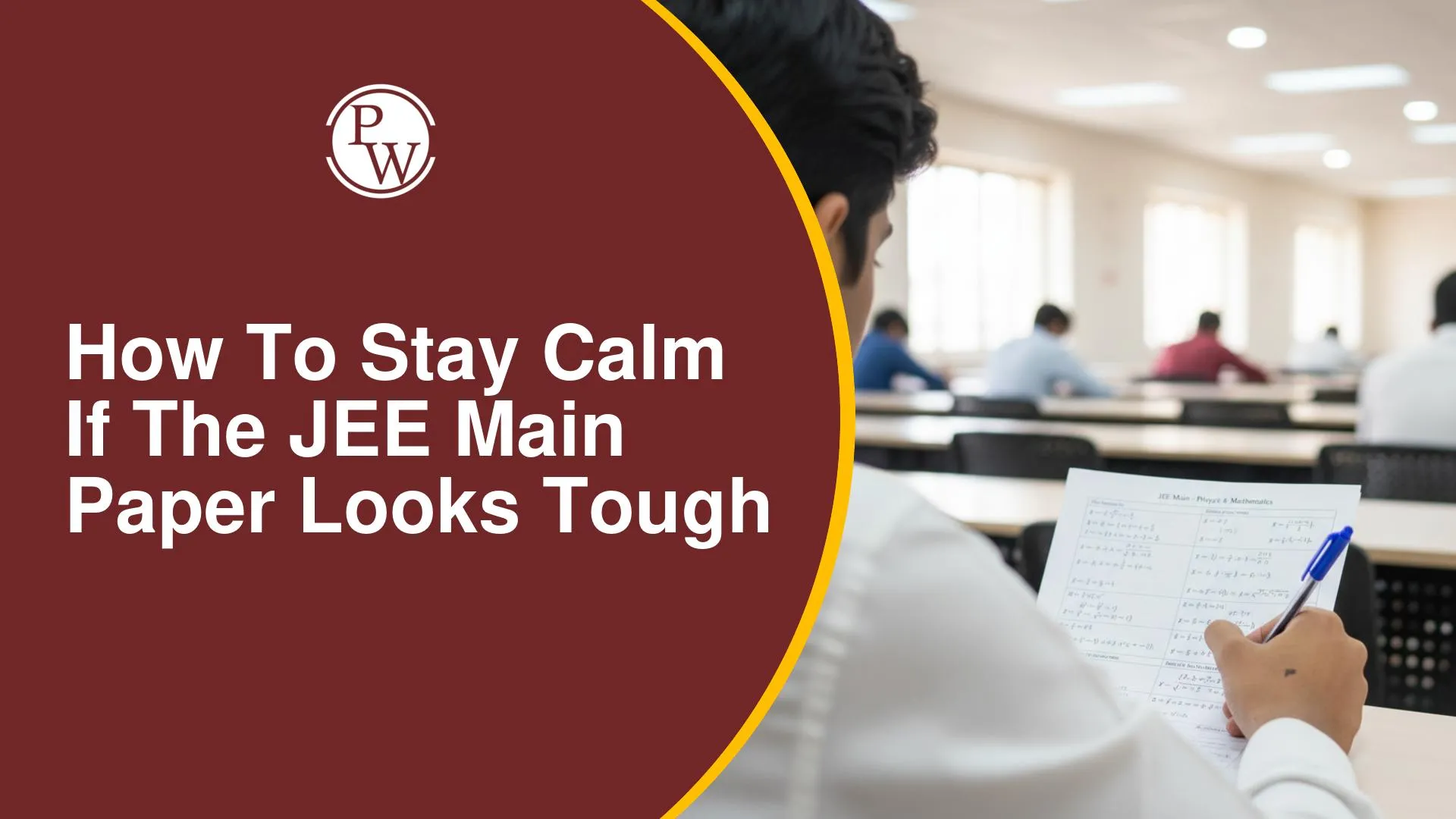
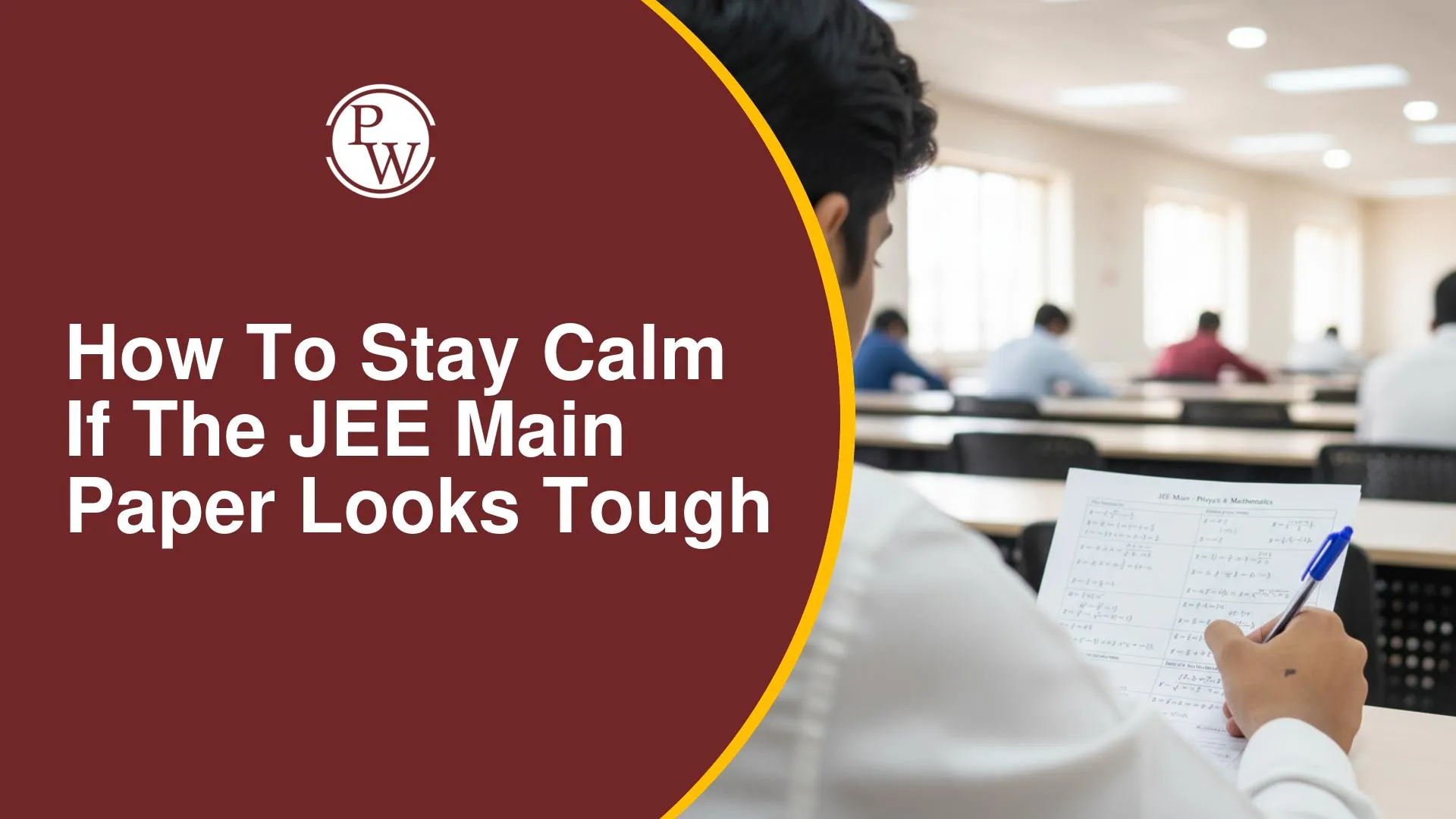
Many students walk into the exam hall fully prepared but lose control when the paper appears tougher than expected. Heart rate rises, hands shake, and the mind goes blank. This panic, not the difficulty level costs the most marks. A tough paper is not your enemy but panic is.
The students who rank well in difficult shifts are not always the most intelligent, they are the ones who stay emotionally stable when others lose balance. Check exactly what to do inside the exam hall when you feel the paper is too hard.
JEE Main 2026 Session 2 Exam Analysis
Why Panic Happens in First 5 Minutes?
The moment you see unfamiliar questions, your brain interprets it as danger. Adrenaline kicks in. Logical thinking drops. You start doubting your preparation. Common thoughts that trigger panic:
-
“I’ve never seen this type of question”
-
“January attempt was easier”
-
“I’m going to lose my percentile”
-
“Everyone else must be solving this”
These thoughts are false assumptions. You are reacting emotionally before analyzing the paper.
Golden Rule: Tough Paper = Low Cutoff = Advantage
This is the truth many students forget during the exam. If the paper is tough for you, it is tough for everyone in the hall. In such shifts:
-
Cutoff drops
-
40–50 attempts can give excellent percentile
-
Accuracy matters more than attempts
Your goal is not to solve everything. Your goal is to outperform the panicking crowd.
First 3 Minutes Reset Technique
When you realize the paper looks hard, do this immediately:
-
Take a deep breath for 5 seconds
-
Exhale slowly
-
Sit back for 10 seconds
-
Tell yourself: “I only need 50 correct questions, not the whole paper”
This small reset restores logical thinking and prevents early damage.
Do NOT Start With Hardest Subject
Students often make a critical mistake: they begin with the subject they fear the most, hoping to “finish it first.” Start with the subject you are most comfortable with. Early easy questions rebuild confidence and calm your mind. Confidence returns only after you solve 4–5 questions correctly.
Use “Easy Hunt” Strategy for 20 Minutes
For the first 20 minutes, do not try to solve. Only scan and pick easy questions.
Look for:
-
Direct formula-based questions
-
PYQ-type patterns
-
Integer questions with simple calculations
-
Theory-based questions
Solve only what looks immediately doable. Skip everything else without guilt. This creates momentum.
Avoid Forcing a Question
When panicked, students get stuck on one question to prove they can do it. This wastes 5–7 minutes and increases stress. Remember: One ego question can destroy 5 easy questions. If a question doesn’t open in 40 seconds, leave it.
Time Division That Works in Tough Papers
This structure prevents emotional decision-making.
|
Time Division That Works in Tough Papers |
|
|
Time |
What to Do |
|
First 20 min |
Easy question hunt |
|
Next 60 min |
Moderate questions |
|
Last 40 min |
Revisit marked questions calmly |
Control Your Thoughts During Exam
Your mind will try to distract you with negative thoughts. Replace them actively:
-
“Paper is tough” → “Cutoff will be low”
-
“I can’t solve this” → “I’ll solve the next one”
-
“I’m behind” → “I just need accuracy”
Accuracy Beats Attempts in Difficult Shifts
In tough papers, students who attempt 75 with panic get lower scores than those who attempt 55 with calm accuracy. Avoid guesswork. Avoid over-attempting. Play safe and smart.
Physical Tricks to Reduce Stress Instantly
These small actions help more than you think:
-
Relax your shoulders
-
Unclench your jaw
-
Slow your breathing
-
Adjust your sitting posture
A relaxed body sends calm signals to the brain.
90-Minute Turning Point
Most students mentally give up by the halfway mark in a tough paper. This is where toppers gain advantage. At 90 minutes, tell yourself: “Now the real exam starts. Others are tired. I stay calm.” You will notice questions start appearing easier because your mind is stable.
What to Do If You Blank Out Completely
Stop for 20 seconds. Close your eyes. Take 3 deep breaths. Open the paper and start scanning again for easy questions. Do not revisit the question that caused the blank. Reset and move forward.
What Successful Students Do Differently in Final 15 Minutes
Successful students accept difficulty quickly. They don’t fight the paper. They adapt. Instead of saying “Why is this tough?” they say “How do I score in this?”. That shift in thinking changes the result.
Do not try new tough questions and only do the following things:
-
Recheck marked easy questions
-
Verify calculations
-
Ensure no silly mistakes
These 15 minutes can recover 12–16 marks.
A tough JEE Main paper is a psychological test, not just an academic one. The exam rewards the student who controls emotions, chooses questions wisely, and maintains accuracy under pressure. When the paper looks tough, remember: This is your opportunity to outperform thousands who are panicking right now.