

Anurag Anand IIM Rohtak NALSAR IPM Success Story
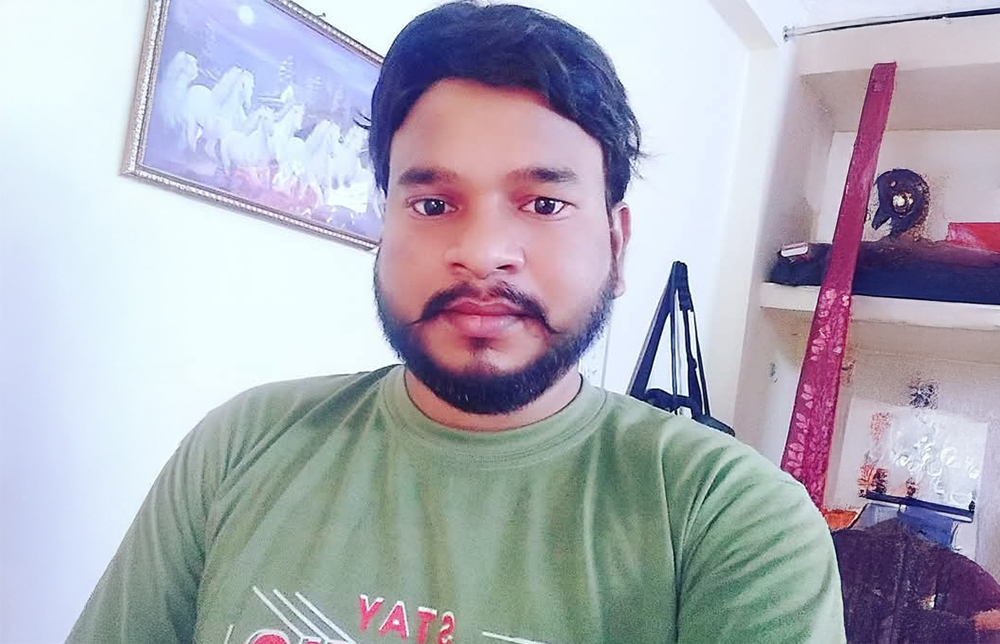
For Anurag Anand, the journey to IIM Rohtak IPM and NALSAR involved regular preparation and staying consistent through different stages. Coming from Sahibganj, Jharkhand, Anurag joined Physics Wallah's MasterQuest 1.0 batch. He prepared through regular practice, mock tests and analysis.
He initially found Quantitative Ability difficult and also went through low phases during his preparation. Along with entrance exam preparation, he also worked on his interview preparation. His preparation included completing daily tasks, practising questions and analysing his mock tests. He eventually secured admission to IIM Rohtak IPM and also converted NALSAR.
Anurag Anand's Journey Towards IIM Rohtak and NALSAR
Anurag Anand's journey towards IIM Rohtak IPM and NALSAR included regular practice, mock tests and analysing his mistakes. From Sahibganj, Jharkhand, he was a student of Physics Wallah's MasterQuest 1.0 batch and eventually secured admission to IIM Rohtak IPM while also converting to NALSAR.
Anurag did not follow a fixed number of study hours every day. Instead, he focused on completing the tasks he had planned for the day. He also practised questions, took mock tests and analysed his performance. During his preparation, he faced difficulties with Quantitative Ability and went through phases when he felt low or wanted to stop studying.
How Anurag Anand Started Building His Preparation
As a dropper, Anurag did not follow a fixed number of study hours every day. Instead, he focused on completing the tasks he had planned for the day. This helped him keep his preparation centred on what needed to be done rather than only counting study hours.
Quantitative Ability was one area that initially felt difficult to him. With regular practice, however, his approach towards the subject changed.
He explained:
"Ma'am, initially QA hard lagta tha but then dheere-dheere practice ke saath aur jaise-jaise time beet-te gaya wo easy lagne laga."
His experience shows how regular question-solving helped him become more comfortable with a subject that initially seemed difficult.
For students who are beginning their preparation, Anurag also shared a simple approach:
"Ma'am, ye rahega ki question solve karte jao. Questions dekh ke daro mat. Initially dar lagega questions dekh ke. But then agar us dar ko hum log apne mann par rehne denge to phir wo nahi ho payega. Us dar ko sabse pehle apne mann se nikalna hai. Uske baad saara question dheere-dheere solve hote jaayenge. Pehle easy se shuruaat karte hain. Then moderate, and then difficult level.
He suggested beginning with easier questions and gradually moving towards moderate and difficult levels.
Anurag Anand's Approach to Difficult Phases of Preparation
Like any long preparation journey, Anurag's preparation also had phases when motivation became difficult to maintain. He described how students can reach a point where they feel tired or want to stop studying.
His response reflected the mindset he used during such periods:
"Ma'am? Aise days to sabki preparation mein aate hain. And ek time pe aisa burnout wala situation aa jaata hai that you feel that it's enough. I don't want to study any more. But then usi time mann ko control karke focus ke saath padhna chahiye, ma'am."
He also recalled a phase in his own journey when he decided to keep moving forward despite the pressure:
"To ma'am meri bhi zindagi mein ma'am aisa samay aa gaya tha ki mere paas haarne ko kuch nahi tha aur jeetne ko sab kuch tha ma'am."
He described this mindset as one way of dealing with difficult phases during preparation.
Anurag Anand's 100+ Mock Test Strategy
Mock tests became an important part of Anurag's preparation. He attempted more than 100 mocks, including 50 sectional mocks and 50 full-length mocks.
However, taking mocks was only one part of his strategy. He also focused on analysing each test and identifying the questions where he made mistakes.
He explained:
"Mocks diya, thoda sa 10 minute ka break liya, then use analyse kiya, har ek question ko analyse kiya, kahaan galtiyan ho rahi hai. Ek mistake notebook banayi, wahaan un saare questions ko note kiya, phir unhe dobara solve kiya."
The mistake notebook gave him a way to revisit questions that had gone wrong. He did not stop at finding the correct answer. He also thought about how he could solve questions more efficiently.
He added:
"Aur phir unhe is tarah bhi solve kiya ki agar main ek process se test mein agar do minute koi question lag rahe hain aur use main ek minute ya 30 second ke andar kaise bana sakta hoon?"
This process helped him identify mistakes, revisit questions and look for faster ways to solve them.
Anurag Anand's Interview Preparation Alongside Exam Preparation
Anurag also prepared for his interview while continuing his entrance exam preparation. Instead of leaving interview preparation until the final stage, he kept working on it alongside his studies.
Current affairs was one of the areas he followed regularly. He also made monthly notes so that the information could be revised later.
He said:
"Interview ki taiyaari agar aap saath-saath hi kar sakte ho preparation ke saath. Ye maine apne preparation ke saath-saath hi apne interview ki bhi taiyaari ki thi. Main current affairs ji ke saath-saath hi padhta tha. Unke notes bhi bana leta tha. Like monthly current affairs ke ek jagah pages bana leta tha ki jo ki baad mein revise karne mein easy ho."
This preparation proved useful when the interview stage arrived. Anurag described his interview as covering a wide range of topics, rather than being limited to academic questions.
He shared:
"The interview was good, ma'am. I thought it would be academically inclined, but it had a vivid range of questions, ma'am. From politics, academics, from my hometown, from the states of India, ministers, everything was covered in my interview ma'am. They left no topic untouched, to be honest."
He suggested preparing for the interview alongside regular entrance-exam preparation.
How Anurag Anand Used Physics Wallah Resources in His Preparation
Anurag was a student of Physics Wallah's MasterQuest 1.0 batch. Alongside his preparation, he made short notes with his regular classes, which he found useful for revision towards the end of his preparation.
He shared his experience and recommended that other aspirants also make short notes during their preparation:
“And yes ma'am. And this was my QA short notes ma'am which I used. And this was really beneficial. I would suggest to everyone that when you prepare, make short notes with your regular classes. It will be beneficial at the end. You will not realise it immediately, but it will be very beneficial for you.”
His experience shows that maintaining short notes alongside regular classes can help students with revision during the later stages of preparation.
Anurag Anand's IIM Rohtak and NALSAR Achievement
Anurag's consistent preparation helped him achieve his goals. He is going to IIM Rohtak and also converted NALSAR through the entrance process. His journey brought together regular practice, mock analysis, interview preparation and the ability to continue during difficult phases.
The key lesson from the Anurag Anand IIM Rohtak NALSAR IPM Success Story is that preparation is not only about the number of hours spent studying. It also involves understanding mistakes, practising regularly, making useful notes and staying focused when preparation becomes difficult.
For aspirants preparing for IPM entrance examinations, Anurag's journey offers a practical example of how consistent effort and structured preparation can support progress towards competitive academic goals.