Farmers Rights in IPR: Meaning, PPV&FR Act 2001, Global Frameworks, Challenges
Farmers Rights in IPR protect farmers’ rights to save, use, and sell seeds while safeguarding traditional knowledge. The PPV&FR Act, 2001 provides legal support, while global frameworks like ITPGRFA help. Challenges include low awareness, legal barriers, and corporate control over seeds.

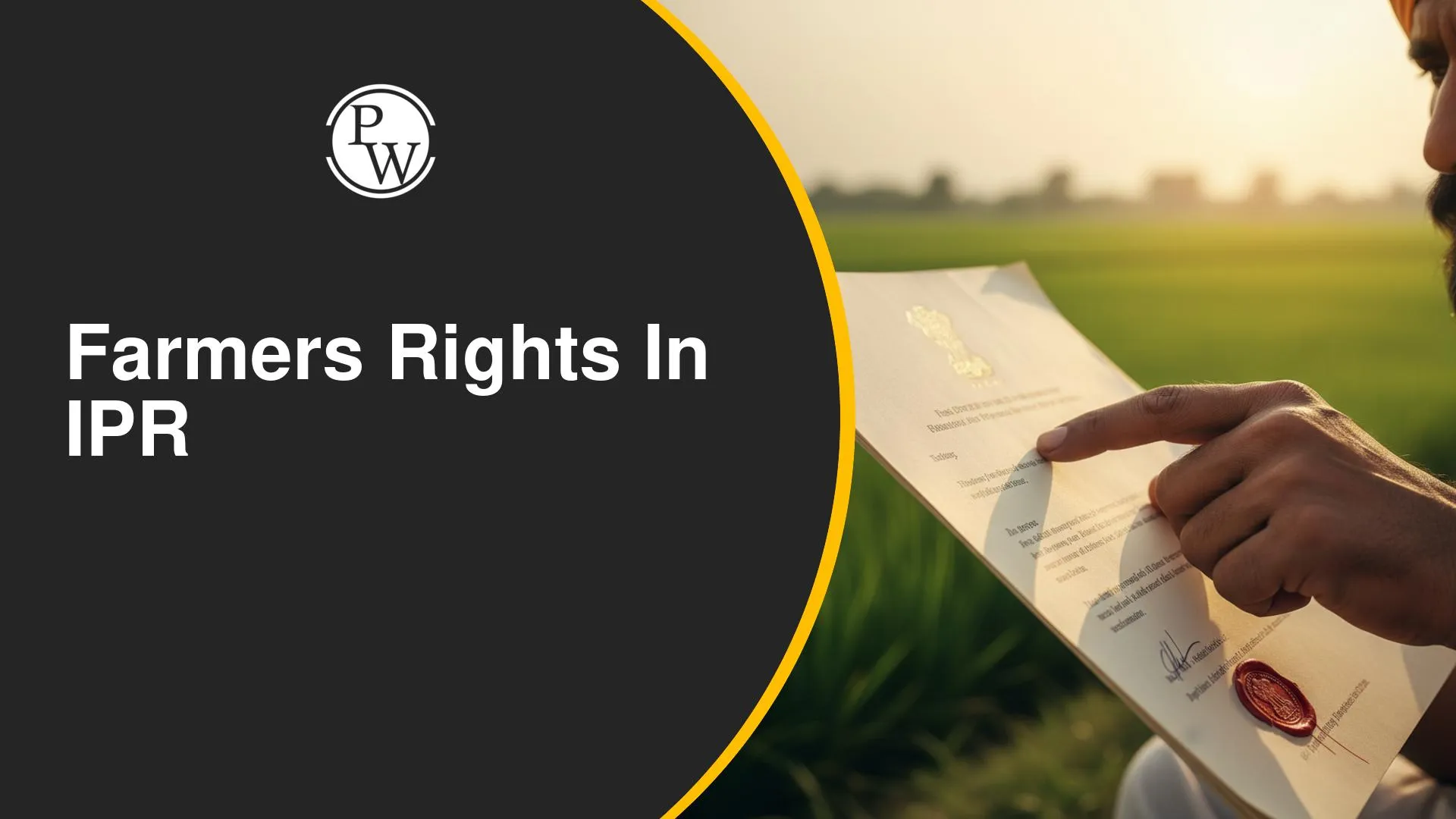
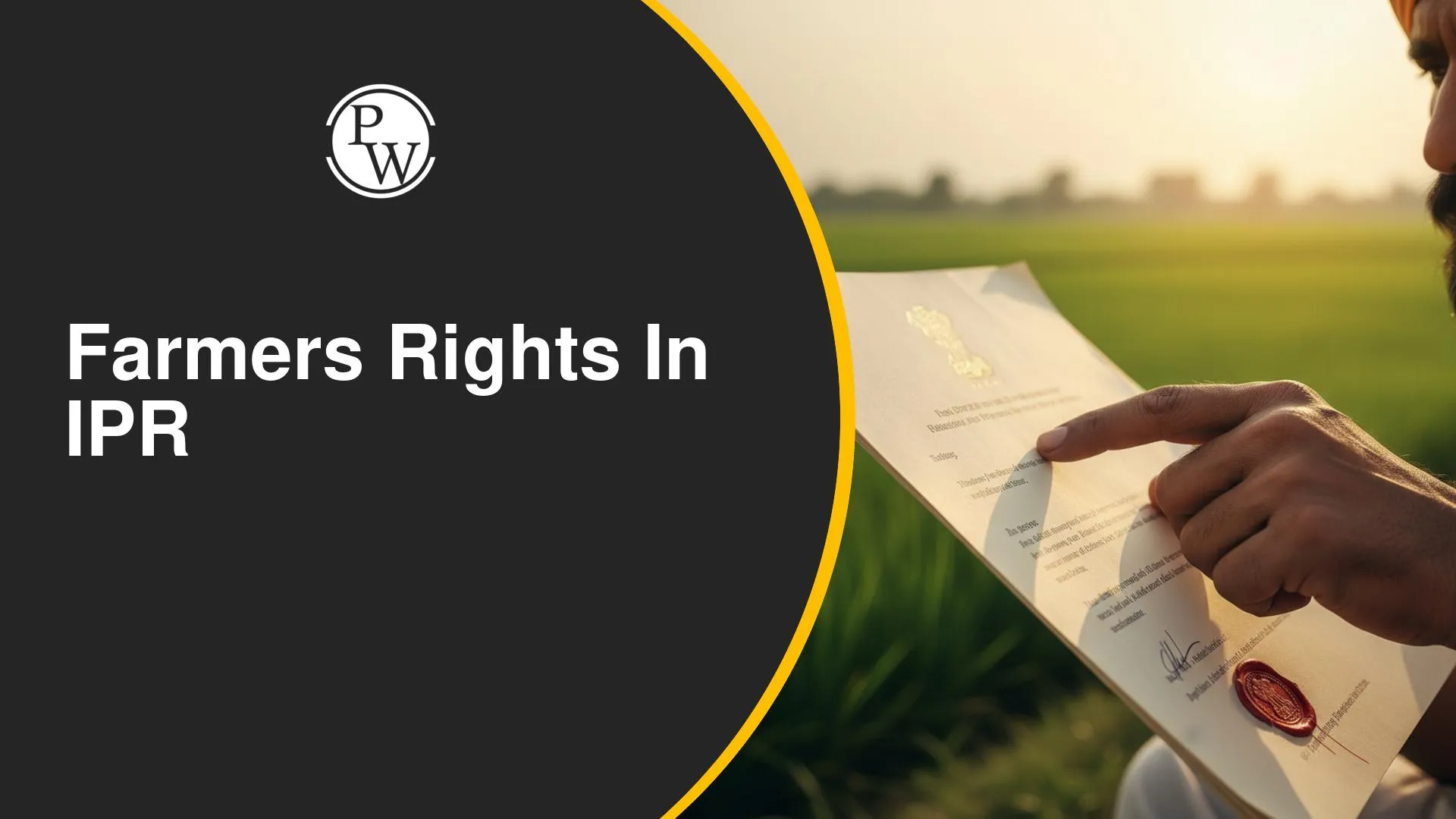
Farmers grow food and protect natural resources. They also preserve traditional knowledge and seeds that have been used for many years. In today’s world, new laws related to intellectual property have changed how seeds and plant varieties are protected.
Farmers Rights in IPR help in protecting the interests of farmers in this changing system. These rights aim to balance modern innovation with traditional farming practices. They also ensure that farmers are not left behind when companies develop new plant varieties.
Understanding Farmers Rights in IPR is important for students, policymakers, and society. It helps in promoting fairness and sustainability in agriculture. These rights also support farmers in continuing their role as protectors of biodiversity.
What Are Farmers Rights in IPR?
Farmers Rights in IPR refer to the legal rights given to farmers in relation to seeds, crops, and traditional knowledge. These rights recognize the contribution of farmers in developing and conserving plant varieties over time.
Farmers have always been involved in saving seeds and improving crops. Modern laws now try to give them recognition and protection. The idea behind Farmers Rights in IPR is to ensure that farmers benefit from their knowledge and efforts.
These rights include the ability to save seeds, share them, and use them for future crops. They also include protection against unfair use of their traditional knowledge by companies.
In simple terms, it ensures that farmers are treated fairly in the system of intellectual property. They also help in maintaining a balance between farmers and plant breeders.
Farmers Rights Under the PPV&FR Act, 2001
In India, the Protection of Plant Varieties and Farmers’ Rights Act, 2001 provides a legal framework to protect both farmers and plant breeders. It aims to encourage innovation while also safeguarding traditional practices.
Under this law, Farmers Rights in IPR are clearly defined and supported. The Act gives several rights to farmers so that they can continue their agricultural practices without fear.
-
Right to Save and Use Seeds: Farmers can save seeds from their crops. They can use these seeds again for planting. They can also exchange seeds with others.
-
Right to Sell Farm Produce: Farmers can sell their produce, including seeds. However, they cannot sell branded seeds of protected varieties.
-
Right to Register New Varieties: If farmers develop a new plant variety, they can register it. This gives them recognition similar to plant breeders.
-
Right to Benefit Sharing: If a company uses a plant variety developed by farmers, then farmers can claim a share in the benefits. This ensures fair compensation.
-
Right to Compensation: If a registered seed does not perform as promised, farmers can claim compensation. This protects them from losses.
-
Right to Recognition and Rewards: Farmers who conserve traditional seeds and biodiversity can receive rewards. This supports conservation efforts.
-
Protection from Legal Action: Farmers are protected from legal penalties if they unknowingly violate breeder rights. This reduces fear and confusion.
-
Community Rights: Village communities can also claim benefits if they have contributed to the development of plant varieties.
These provisions show how Farmers Rights in IPR are implemented in India. They aim to protect both individual farmers and communities.
Key International Frameworks Supporting Farmers' Rights
Farmers' rights are also supported at the global level. Many international agreements focus on protecting traditional knowledge and ensuring fair benefit sharing.
These frameworks help countries create laws that support farmers. They also promote cooperation between nations in protecting plant resources.
Major International Frameworks
-
International Treaty on Plant Genetic Resources for Food and Agriculture (ITPGRFA): This treaty recognizes the role of farmers in conserving plant genetic resources. It promotes fair sharing of benefits. It also supports the protection of traditional knowledge.
-
UPOV (International Union for the Protection of New Varieties of Plants): This framework mainly focuses on plant breeders' rights. The earlier version allowed more flexibility for farmers. However, newer versions have stricter rules.
Challenges in Implementing Farmers' Rights in IPR
Even though laws exist, farmers still face many challenges. These issues affect the proper implementation of Farmers Rights in IPR.
-
Corporate Control Over Seeds: Large companies have control over many seeds through patents. This reduces the freedom of farmers to reuse seeds. Farmers may have to depend on purchased seeds.
-
Loss of Traditional Knowledge: Modern farming methods are replacing traditional practices. Indigenous seeds and knowledge are slowly declining. This affects biodiversity and local farming systems.
-
Lack of Awareness: Many farmers are not aware of their legal rights. They do not know how to use these rights in real situations. This makes them more vulnerable.
-
Financial Barriers: Legal processes can involve costs. Many farmers do not have enough financial support to handle disputes.
-
Complex Legal Procedures: The legal system can be difficult to understand. Farmers may find it hard to file complaints or claims. This reduces access to justice.
Farmers Rights in IPR play an important role in modern agriculture. They protect farmers’ knowledge, seeds, and contributions. These rights also ensure fairness in the use of plant resources.
India has taken important steps through the PPV&FR Act. International frameworks also support these efforts. However, challenges still exist in implementation.
A balanced approach is needed. Both innovation and traditional practices should be supported. Strengthening Farmers Rights in IPR will help in achieving sustainable agriculture and long-term food security.
Farmers Rights in IPR FAQs
What are Farmers Rights in IPR?
Which law protects Farmers Rights in IPR in India?
Can farmers sell seeds under Farmers Rights in IPR?
Do farmers get compensation under Farmers Rights in IPR?