







How Sharda University Law Students Can Build Litigation Skills with PW Legal Skills
 Neha Tanna4 Sept, 2026
For Sharda University law students, building a successful litigation career requires more than understanding legal theory. Students need practical knowledge of legal research, drafting, court procedures, case analysis, client handling and litigation strategy. Developing these skills during law school can help students become better prepared for internships, chamber work and future litigation opportunities. PW Legal Skills can provide dedicated learning focused on practical legal and litigation skills.
Sharda University offers law programmes including B.A. LL.B, B.B.A. LL.B and LL.M. The university's law-related skill requirements cover areas such as legal research, legal drafting, civil and criminal litigation, court craft, case analysis, client handling and legal technology.
Why Litigation Skills Matter for Law Students
Litigation involves much more than appearing before a court. A litigation professional needs to research legal provisions, understand case facts, prepare documents, communicate with clients and develop suitable legal strategies.
For students interested in litigation, early exposure to these practical skills can make the transition from classroom learning to professional legal work easier. Developing practical abilities alongside academic studies can also help students approach internships and legal assignments with greater confidence.
1. Strengthen Legal Research Skills
Legal research forms the foundation of effective litigation. Students need to know how to research statutes, judgments, case laws and relevant legal provisions before preparing arguments or documents.
Sharda University law students can practise identifying the legal issues involved in a case and then finding the provisions and judicial decisions relevant to those issues. The ability to connect legal research with specific facts is particularly important for litigation.
The Sharda University material identifies researching case laws, statutes, judgments and relevant legal provisions as a key legal research skill.
2. Develop Legal Drafting Skills
Drafting is an essential part of litigation. Lawyers regularly work with legal notices, petitions, applications, pleadings, affidavits and other court documents.
Students can improve their drafting skills by understanding the structure and purpose of different legal documents. They should focus on presenting facts clearly, identifying relevant legal grounds and organising arguments logically.
Practical drafting exercises can help students become more familiar with the language and format used in professional legal documentation.
3. Learn Civil Litigation Procedures
Students interested in civil litigation should understand how different stages of a civil case work. This includes familiarity with plaints, written statements, civil applications, appeals, revisions and relevant court procedures.
Learning these concepts through practical case-based exercises can help students understand how theoretical provisions are applied during actual litigation.
The source specifically lists civil litigation skills, including plaints, written statements, civil applications, appeals, revisions and court procedures.
4. Build Criminal Litigation Skills
Criminal litigation requires a different set of practical skills. Students should become familiar with areas such as bail applications, criminal applications, pleadings, trial procedures and evidence handling.
Understanding how criminal proceedings progress can help students develop a more practical perspective on criminal law. Students can strengthen these skills by analysing hypothetical cases and practising relevant legal documents.
It specifically identifies bail applications, criminal applications, pleadings, trial procedures and evidence handling as important criminal litigation skills.
5. Improve Court Craft
Court craft refers to understanding how litigation functions in a courtroom and within the broader court system. It includes knowledge of courtroom procedures, filing processes, hearings and litigation workflow.
For aspiring litigators, knowing the sequence of procedural steps can be as important as knowing substantive law. Developing this awareness early can help students better understand what happens during different stages of a case.
Court craft is identified in the source as a key skill involving courtroom procedures, filing processes, hearings and litigation workflow.
6. Practise Case and Judgment Analysis
A strong litigator needs to understand both the facts and the law. Case and judgment analysis helps students identify the central issues, understand judicial reasoning and examine how legal principles have been applied.
Students can practise by reading judgments and identifying the facts, legal issues, arguments, findings and principles involved. This approach can strengthen analytical thinking and help students develop better legal arguments.
The source highlights analysing facts, identifying legal issues and understanding judicial decisions as important case and judgment analysis skills.
7. Develop Client Handling Skills
Litigation also involves dealing with clients professionally. Lawyers need to understand client requirements, explain legal matters clearly and maintain professional communication.
Law students can develop client-handling skills by practising how they would collect relevant facts, understand a client's concerns and communicate possible legal approaches. Good communication can help build professionalism and confidence.
The Sharda University material specifically includes understanding client requirements and communicating legal matters professionally under client-handling skills.
8. Learn Legal Documentation
Legal professionals work with large amounts of documentation. Students should learn how to structure, format, review and organise professional legal documents.
Attention to detail is particularly important because errors in legal documents can affect clarity and professional presentation. Regular drafting and documentation practice can therefore support better litigation preparation.
9. Use AI and Legal Technology Responsibly
Technology is becoming increasingly relevant to legal work. Students can develop familiarity with AI tools that assist with legal research, drafting and workflow-related tasks.
However, technology should support legal reasoning rather than replace it. Students should verify information and exercise independent legal judgment when using technology.
The source identifies AI and legal technology skills for research, drafting and improving legal workflows.
10. Build Practical Litigation Skills with PW Legal Skills
Sharda University law students who want to develop litigation-oriented skills can consider PW Legal Skills as an additional learning option alongside their regular academic studies. Practical litigation learning can focus on case-based exercises, drafting practice and legal templates, helping students connect theoretical knowledge with practical legal work.
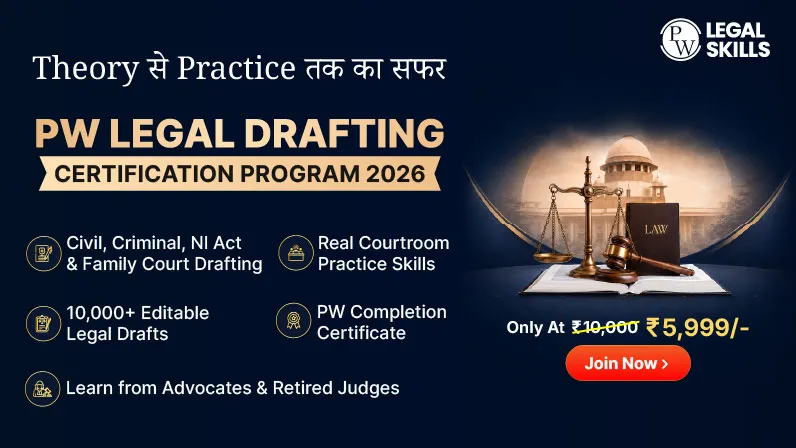
PW programmes including the PW Legal Drafting Certification Program 2026, PW Advanced Civil Litigation & Legal Drafting Program 2026, PW Advanced Criminal Litigation & Legal Drafting Program 2026 and PW Complete Advocacy Program 2026.
Students can choose learning that aligns with their interests, whether they want to strengthen legal drafting, explore civil or criminal litigation, or develop broader advocacy skills.
How Students Can Prepare for a Litigation Career
Building litigation skills requires regular practice. Students can combine classroom learning with internships, case analysis, drafting exercises, moot courts and practical legal training.
They should also focus on professional skills such as communication, attention to detail, time management, teamwork and confidence. These skills can complement technical litigation knowledge and help students handle professional responsibilities more effectively.
For Sharda University law students, developing litigation skills early can provide a stronger foundation for internships and future legal careers. Legal research, drafting, civil and criminal litigation, court craft, case analysis, client handling, documentation and legal technology are important areas for students interested in litigation.
How PW Legal Skills Can Help Sharda University Law Students
Sharda University law students who want additional practical exposure can consider PW Legal Skills alongside their regular law studies. Practical training can help students practise areas such as legal drafting, litigation procedures and advocacy through structured learning and case-based exercises.
PW Legal Skills offers programmes focused on different areas of legal practice, including:
-
PW Legal Drafting Certification Program 2026: Suitable for students who want to strengthen legal drafting and documentation skills.
-
PW Advanced Civil Litigation & Legal Drafting Program 2026: Relevant for students interested in civil litigation and practical drafting.
-
PW Advanced Criminal Litigation & Legal Drafting Program 2026: Focuses on criminal litigation and related drafting skills.
-
PW Complete Advocacy Program 2026: Suitable for students who want to develop broader advocacy and litigation skills.
Students can choose a programme based on their interests and career goals. Practical learning should be used alongside regular academic study, internships, moot courts and case analysis to build a broader understanding of legal practice.
For Sharda University law students interested in litigation, developing practical skills alongside academic knowledge can improve their readiness for internships and early legal work. Legal research, drafting, case analysis, court craft, client handling and legal technology are key areas to practise consistently. PW Legal Skills can provide additional structured learning in legal drafting, litigation and advocacy to complement regular law studies.
FAQs
What litigation skills should Sharda University law students develop?
Why is legal drafting important for aspiring litigators?
How can Sharda University law students improve their court craft skills?






Get Free Counselling Today
and Clear up all your Doubts
 Live & recorded classes available at easeDashboard for progress trackingLakhs of practice questions

