






How To Become Civil Advocate In India: Civil Litigation, Skills & Practical Training

Passing the AIBE exam is only the beginning of a career in civil litigation. To become a successful civil advocate, you need practical skills such as legal drafting, legal research, case preparation, and a clear understanding of civil court procedures. Civil advocates mainly handle property, family, contract, consumer, and recovery disputes.
Many law graduates struggle because they know legal skills but lack courtroom experience. Practical training, drafting practice, and knowledge of the complete civil litigation process can help build confidence and prepare aspiring advocates for real-life legal practice from day one.
What Is Civil Litigation?
Civil litigation deals with disputes between two or more parties over rights, obligations, and compensation. These disputes are extremely common and exist in almost every part of daily life. Some common civil matters include:
-
Property disputes and illegal possession of land
-
Family matters like divorce, custody, and maintenance
-
Money recovery and possession recovery cases
-
Contract disputes, including breach of contract
-
Injunction matters
-
Consumer complaints
Because these disputes keep increasing every day, almost every advocate deals with civil cases at some point in their career.
Civil Litigation vs Criminal Litigation
Many new advocates get confused about which side to choose. Here is the key difference:
-
Civil Litigation focuses on rights and liabilities between two private parties. The main goal is usually compensation or performance of a contract.
-
Criminal Litigation deals with an offence against the State. It affects society at large, and the goal is punishment, so the offender does not repeat the crime and law and order is maintained.
If you enjoy documentation, drafting, and legal research more than dealing with cross-examination of accused persons, civil litigation may suit you better.
Types of Civil Cases You Will Handle
As a civil advocate, you may work on:
-
Property and possession disputes
-
Corporate and commercial disputes
-
Family and matrimonial matters
-
Consumer protection cases
-
Labour and service matters
-
Recovery suits
Each of these requires specific drafting formats and procedural knowledge.
Skills Required To Become a Civil Advocate
Simply knowing the law is not enough. To practice as a civil advocate, you need:
-
Drafting Skills – Ability to draft a plaint, written statement (WS), legal notice, and injunction applications.
-
Legal Research – Finding relevant case laws and precedents to support your arguments.
-
Court Procedure Knowledge – Understanding the complete journey of a civil suit from filing to final judgment.
-
Case File Preparation – Being able to independently prepare a full case file for a client.
Many law graduates know the Civil Procedure Code (CPC) theoretically but cannot apply it practically. This gap between "knowing the law" and "practicing law" is what stops many new advocates from performing well in their first few years.
Step-by-Step Civil Court Procedure
A typical civil case moves through these stages:
-
Plaint – The suit is first filed by the plaintiff.
-
Written Statement – The defendant responds to the plaint.
-
Notices – Relevant notices are issued during proceedings.
-
Evidence – Both parties present their evidence.
-
Arguments – Lawyers argue the case before the court.
-
Decree – The court passes its judgment/decree.
-
Execution – The decree is enforced.
Understanding each stage in detail, along with correct drafting formats, is essential for practical courtroom readiness.
Why Fresh Law Graduates Struggle in Practice
Most law colleges teach law, not "vakalat" (practical legal practice). Students often memorize sections and rules but do not know how they apply in real courtrooms. This is why many new advocates feel lost when a client walks in with an actual property dispute or recovery case and expects a complete case file to be prepared.
How To Become Civil Advocate In India (Civil Litigation & Drafting Program)
If your interest is purely in civil litigation, a focused, practice-oriented program can help you become court-ready faster. The PW Civil Litigation and Drafting Program is designed exactly for this purpose. It covers:
-
Foundation of civil litigation practice
-
Courtroom craft and legal drafting
-
Matrimonial and family court practice
-
Property and commercial documentation
-
Pre-litigation strategy, suit drafting, trial evidence practice
-
Appeals, execution, and High Court litigation
|
Available Course for Civil Litigation and Drafting Program by PW |
|
|
Batch Name |
Course Link |
|
PW Advanced Civil Litigation & Legal Drafting Program 2026 |
|
|
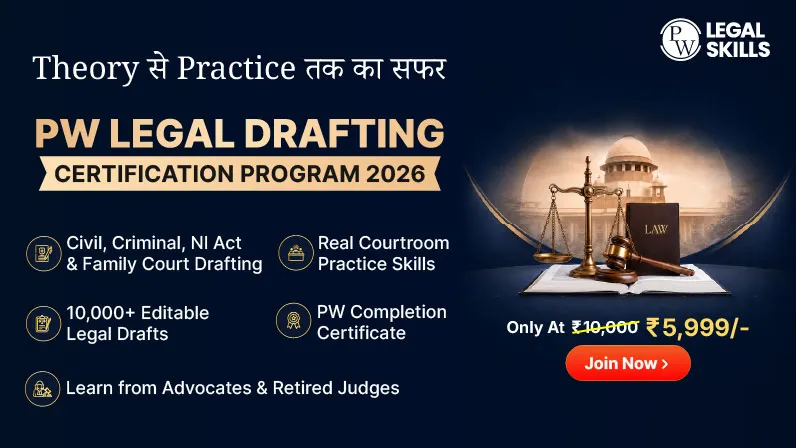
PW Legal Drafting Certification Program 2026 |
|
|
PW Advanced Criminal Litigation & Legal Drafting Program 2026 |
|
The Legal Skills program offers over 200 hours of live plus recorded bilingual classes (Hindi and English), more than 10,000 editable legal drafts covering property, corporate, family, consumer, and labour matters, weekend and evening classes, mentorship from experienced litigation faculty, and interview assistance after course completion for students in Delhi NCR.
Becoming a successful civil advocate in India is not just about clearing exams like AIBE. It requires strong drafting skills, legal research ability, and complete knowledge of civil court procedure.
If your area of interest is civil litigation, start building these practical skills early through structured training and real drafting practice, so you can confidently handle your first case file from day one.
How To Become Civil Advocate In India FAQs
What is a civil advocate?
What skills are required to become a civil advocate?
What is the difference between civil and criminal litigation?
Why is practical training important for civil advocates?





Get Free Counselling Today
and Clear up all your Doubts
 Live & recorded classes available at easeDashboard for progress trackingLakhs of practice questions

