







How to Prepare for Civil Litigation Practice After Law Graduation
 Neha Tanna1 Sept, 2026
Graduating from law school is an important milestone, but starting a career in civil litigation after law graduation requires much more than theoretical knowledge. Law graduates need practical skills in legal drafting, court procedures, case analysis, legal research and client handling to become confident litigation professionals.
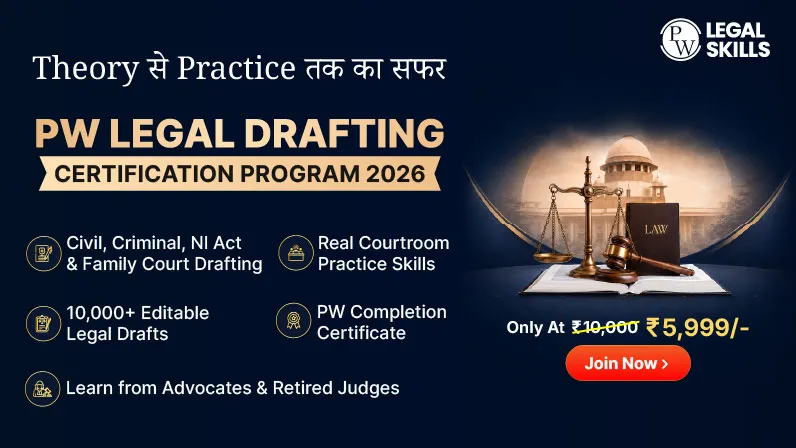
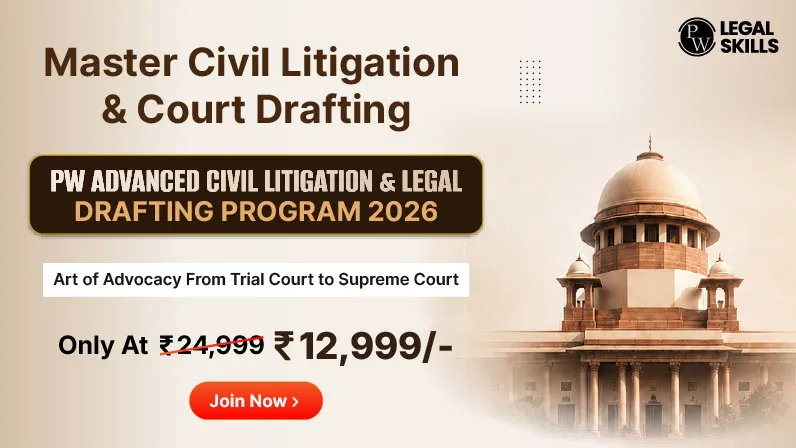
PW’s Advanced Civil Litigation & Legal Drafting Program is designed to help bridge the gap between legal education and courtroom practice through practical drafting training, civil litigation modules, live classes and access to 10,000+ editable legal drafts in English and Hindi.
Whether you plan to join a litigation chamber, work with a law firm, assist a senior advocate or eventually establish your own practice, developing these practical skills early can give you a strong professional foundation.
Understand the Civil Litigation Process
The first step in preparing for civil litigation practice is understanding how a civil case moves through the court system. While law school teaches important legal concepts, practical litigation involves understanding how those concepts are applied at different stages of a case.
A law graduate should become familiar with the complete civil litigation lifecycle, including:
-
Legal notices and replies
-
Plaint and written statement
-
Set-off and counter-claim
-
Temporary and permanent injunctions
-
Evidence and affidavits
-
Examination-in-chief and cross-examination
-
Witness summoning
-
Judgment and decree
-
Execution proceedings
-
Appeals, review and revision
-
Civil writ petitions and SLPs
Understanding these stages can help young lawyers assist seniors more effectively and gradually develop the confidence to handle matters independently.
Learn Court Procedures and Filing Practices
Knowing substantive law is only one part of litigation practice. Lawyers must also understand court procedures and filing requirements.
Law graduates should spend time observing proceedings in trial courts and High Courts wherever possible. Court observation can help them understand how advocates present arguments, seek adjournments, make submissions, handle applications and respond to procedural issues.
It is also useful to develop familiarity with case filing, documentation, court fees, defects, compliance, case listings, orders, certified copies and other practical aspects of court work.
This type of practical exposure can make the transition from law school to professional practice considerably smoother.
Gain Client Counselling and Case Analysis Skills
Litigation is not limited to courtrooms and legal documents. Lawyers also need to understand their clients and analyse their legal problems.
A young lawyer should learn how to listen carefully to a client's facts, identify the relevant legal issues, ask appropriate questions and explain possible legal remedies clearly.
Effective case analysis generally involves:
-
Understanding the facts.
-
Identifying the legal issues.
-
Determining the applicable law.
-
Conducting relevant legal research.
-
Evaluating available remedies.
-
Developing an appropriate litigation strategy.
These Legal skills can become extremely valuable when working with senior advocates, litigation firms or individual clients.
How PW Helps You Prepare for Civil Litigation Practice After Law Graduation
Starting civil litigation after law graduation requires practical knowledge beyond legal theory. PW’s Advanced Civil Litigation & Legal Drafting Program helps learners develop courtroom, drafting and professional skills through structured, practice-oriented training.
-
Practical Legal Drafting: Learn professional drafting through 10,000+ editable legal drafts in English and Hindi, covering important civil litigation documents and applications.
-
Civil Litigation Training: Understand the complete civil case lifecycle, including plaints, written statements, injunctions, evidence, execution proceedings, appeals, review, revision and writ petitions.
-
Courtroom & Case Understanding: Gain practical exposure to court procedures, case preparation, judgment reading, analysis and real-world litigation practices.
-
Legal Research & Modern Skills: Develop skills in legal research, client counselling, case analysis and AI-powered legal drafting to adapt to modern legal practice.
-
Career & Internship Readiness: Build confidence to assist seniors, perform better during internships and prepare for opportunities in litigation chambers, law firms, freelance drafting and legal practice.
Preparing for civil litigation practice after law graduation requires a combination of legal knowledge, practical drafting, courtroom exposure, legal research, client counselling and case-handling skills. While law school provides the theoretical foundation, practical training can help bridge the gap between what students learn and what they are expected to do in professional practice.
For law students, fresh graduates and aspiring litigators, developing these skills early can make internships more productive and provide a stronger foundation for a career in litigation. A structured program such as PW’s Advanced Civil Litigation & Legal Drafting Program can help learners gain practical exposure to drafting, civil litigation procedures, legal research and modern legal practice, making the transition from law graduate to practice-ready professional more structured and confident.
Prepare for Civil Litigation Practice After Law Graduation FAQs
How can I prepare for civil litigation after law graduation?
Is legal drafting important for a career in civil litigation?
How can PW Advanced Civil Litigation & Legal Drafting Program help law graduates?





Get Free Counselling Today
and Clear up all your Doubts
 Live & recorded classes available at easeDashboard for progress trackingLakhs of practice questions

