






A Comprehensive Overview of Central Nervous System: Cells, Proteins and Diseases

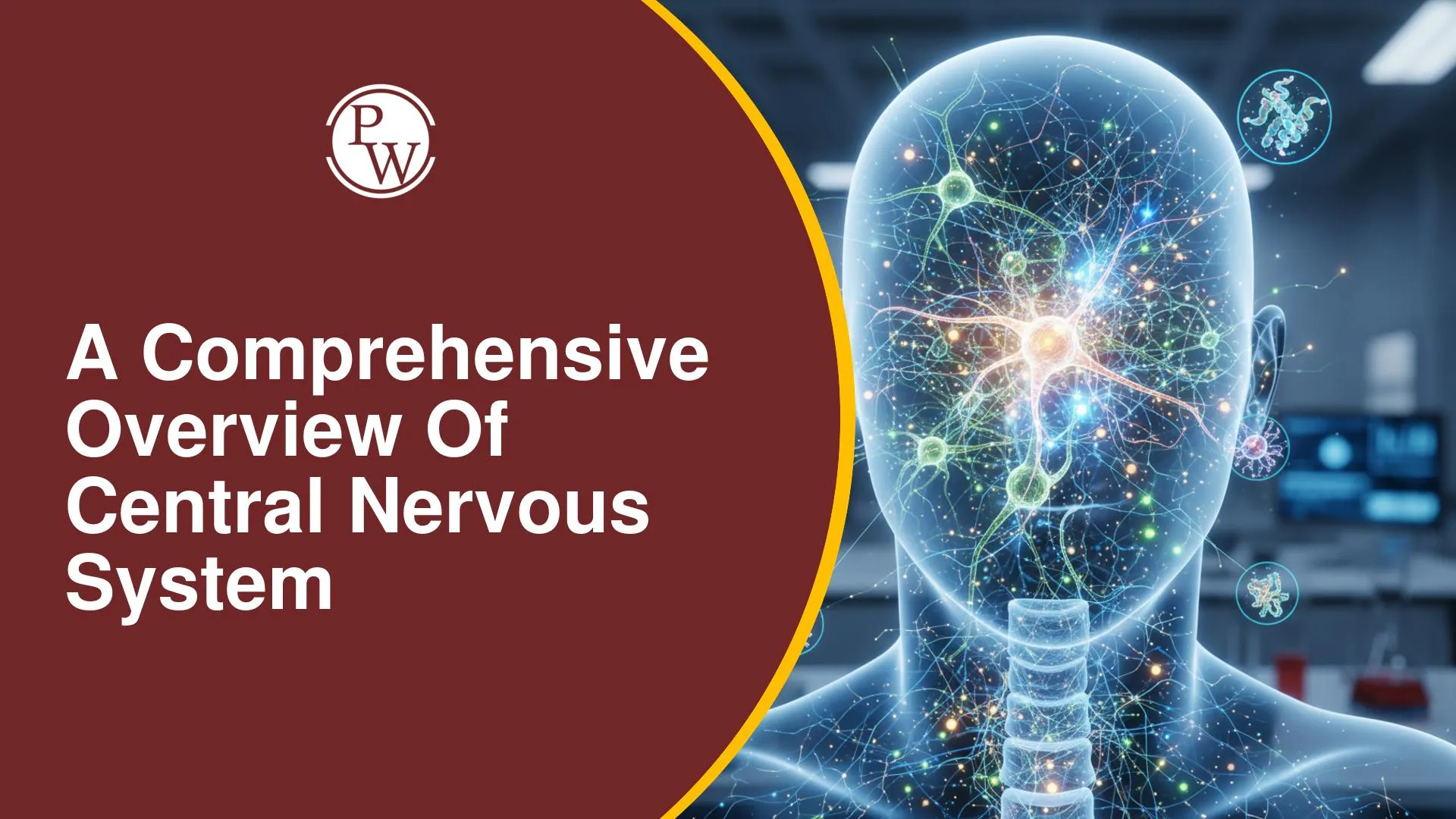
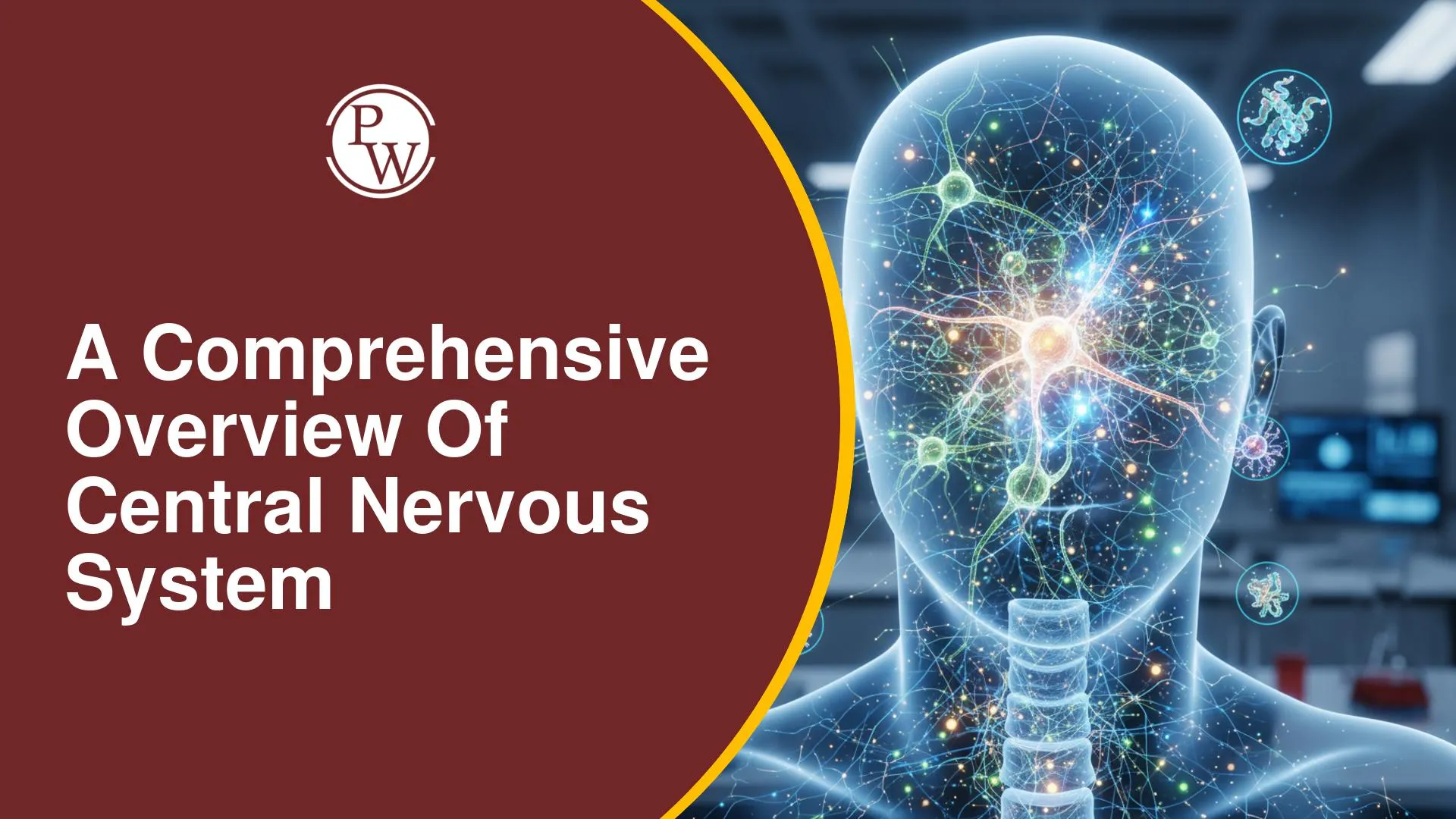
Central Nervous System (CNS) is the primary processing center for the entire body, consisting of the brain and the spinal cord. It acts as the core "command center," coordinating every internal and external activity, from basic motor functions to complex cognitive reasoning. For medical aspirants, mastering the pathology of the CNS is critical for understanding how structural and cellular abnormalities manifest as clinical neurological disorders.
Cells of the Central Nervous System
The CNS is composed of two primary categories of cells: neurons and neuroglia. While neurons are responsible for transmitting electrical signals, neuroglial cells provide the necessary structural and metabolic support.
-
Neurons: These are the functional units of the nervous system. They consist of a cell body (soma), dendrites for receiving signals, and an axon for transmitting impulses.
-
Astrocytes: The most numerous glial cells, they maintain the Blood-Brain Barrier (BBB), provide metabolic support, and regulate the ion concentration in the extracellular space.
-
Oligodendrocytes: These cells are responsible for the myelination of CNS axons, which significantly increases the speed of nerve impulse conduction.
-
Microglia: Acting as the specialized immune system of the CNS, these macrophages scavenge damaged neurons and infectious agents.
-
Ependymal Cells: These line the ventricles of the brain and the central canal of the spinal cord, playing a key role in the production and circulation of Cerebrospinal Fluid (CSF).
Key Proteins in CNS Pathology
Specific proteins serve as markers for various neurodegenerative diseases. Abnormal folding or accumulation of these proteins can lead to cellular dysfunction and death.
-
Beta-Amyloid and Tau Proteins: The accumulation of Beta-Amyloid plaques and Tau neurofibrillary tangles are hallmark indicators of Alzheimer's Disease.
-
Alpha-Synuclein: This protein is primarily associated with Parkinson's Disease and Lewy Body Dementia when it forms abnormal aggregates called Lewy bodies.
-
Prion Proteins (PrP): Misfolded prion proteins are responsible for transmissible spongiform encephalopathies, such as Creutzfeldt-Jakob Disease.
Common Diseases of the Central Nervous System
CNS disorders can be broadly categorized into neurodegenerative, inflammatory, and cerebrovascular diseases.
-
Multiple Sclerosis (MS): An autoimmune, inflammatory disease where the immune system attacks the protective myelin sheath of nerve fibers in the CNS.
-
Alzheimer’s Disease: A progressive neurodegenerative disorder that is the most common cause of dementia, characterized by memory loss and cognitive decline.
-
Parkinson’s Disease: A movement disorder caused by the loss of dopamine-producing neurons in the substantia nigra.
-
Meningitis: Inflammation of the protective membranes (meninges) covering the brain and spinal cord, often caused by bacterial or viral infections.
Important Questions on CNS
To solidify your understanding of the "A Comprehensive Overview of Central Nervous System," consider these frequently asked questions:
-
What is the primary role of astrocytes in the CNS? Astrocytes are essential for maintaining the blood-brain barrier and regulating the chemical environment of the brain.
-
How do oligodendrocytes differ from Schwann cells? Oligodendrocytes myelinate multiple axons within the CNS, whereas Schwann cells myelinate a single axon in the Peripheral Nervous System (PNS).
-
What protein is most closely associated with Parkinson's Disease? Alpha-synuclein is the primary protein found in Lewy bodies, which are the pathological hallmark of Parkinson's Disease.