Allergic Conjunctivitis: Types, Causes, Symptoms, and Prevention

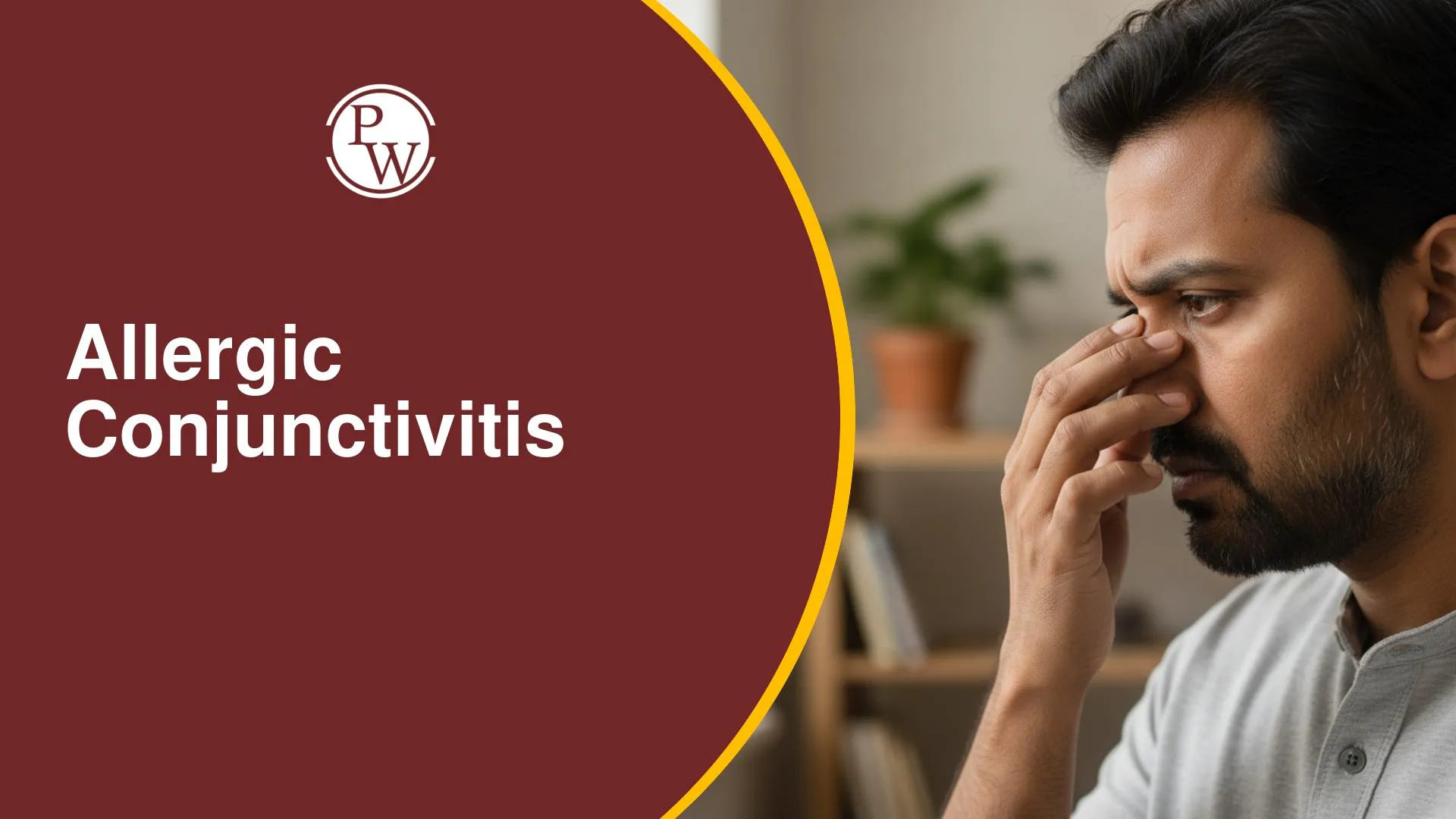
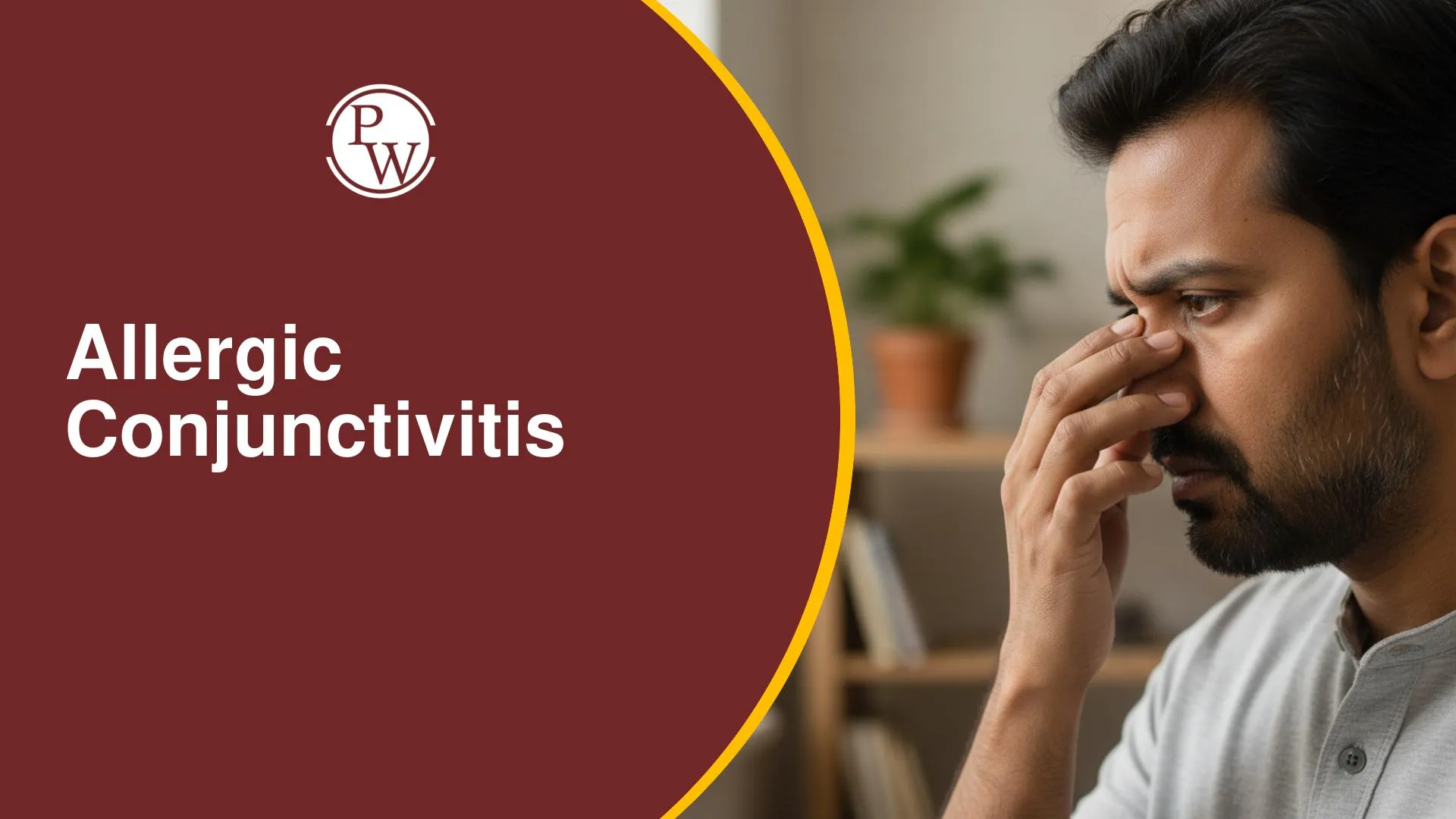
Allergic Conjunctivitis is a common eye condition that occurs when the conjunctiva becomes inflamed due to allergens such as pollen, dust, or pet dander. The conjunctiva is the thin, transparent membrane that covers the white part of the eye and the inner surface of the eyelids.
When exposed to allergens, the body releases histamines that cause symptoms like redness, itching, watering, and swelling in the eyes. Unlike infections, allergic conjunctivitis is not contagious, but it can cause significant discomfort, especially for students and professionals who spend long hours reading or using digital screens. Understanding its causes, symptoms, and prevention methods helps maintain good eye health and prevents further complications.
What is Allergic Conjunctivitis?
Allergic conjunctivitis occurs when the eyes react to an irritant. Unlike viral or bacterial versions, this form is not contagious. It is often linked to other allergic conditions like hay fever or asthma. Understanding the specific types of conjunctivitis is essential for choosing the right management path.
Types of Conjunctivitis (Allergic)
There are several variations of eye allergies, each with distinct triggers:
-
Seasonal Allergic Conjunctivitis (SAC): Triggered by seasonal pollens (trees, grass, weeds).
-
Perennial Allergic Conjunctivitis (PAC): A year-round condition caused by indoor allergens like dust mites or mold.
-
Vernal Keratoconjunctivitis (VKC): A more severe, chronic form often seen in younger individuals in warm climates.
-
Atopic Keratoconjunctivitis (AKC): Associated with skin conditions like atopic dermatitis.
-
Giant Papillary Conjunctivitis (GPC): Often linked to the long-term use of contact lenses.
Causes of Conjunctivitis
The primary causes of conjunctivitis in allergic cases are environmental triggers. When these substances come into contact with the eye, the body releases histamine, leading to inflammation. Common triggers include:
-
Outdoor Allergens: Pollen from trees, flowers, and grasses.
-
Indoor Allergens: Pet dander, dust mites, and fungal spores.
-
Chemical Irritants: Strong perfumes, smoke, or certain cosmetics.
-
Contact Lenses: Accumulation of proteins or poor hygiene habits.
Symptoms of Conjunctivitis
Early identification of the symptoms of conjunctivitis can help you seek relief faster. Look out for the following:
-
Intense Itching: The most common sign of an allergic reaction.
-
Redness: Blood vessels in the conjunctiva become inflamed and visible.
-
Watery Discharge: Clear, thin tearing rather than thick yellow mucus.
-
Swelling: Puffiness of the eyelids or the conjunctiva itself (chemosis).
-
Burning Sensation: A feeling of heat or grittiness in the eyes.

Diagnosis of Conjunctivitis
If symptoms persist, a professional diagnosis of conjunctivitis is necessary. Healthcare providers typically use the following methods:
-
Slit-Lamp Examination: Checking for "cobblestone" bumps under the eyelid.
-
Patient History: Reviewing a history of allergies, asthma, or eczema.
-
Skin Prick Tests: Identifying specific environmental triggers.
-
Tear Analysis: Testing tears for the presence of certain white blood cells (eosinophils).
Complications of Conjunctivitis
If left untreated or managed poorly, certain complications of conjunctivitis may arise:
-
Corneal Damage: Severe forms like VKC can lead to corneal ulcers, affecting vision.
-
Secondary Infections: Rubbing itchy eyes can introduce bacteria, leading to a secondary infection.
-
Chronic Discomfort: Persistent inflammation can lead to dry eye syndrome and constant irritation.
Prevention of Conjunctivitis
Effective prevention of conjunctivitis involves minimizing contact with known allergens:
-
Manage Your Environment: Use air purifiers with HEPA filters and keep windows closed during high pollen seasons.
-
Practice Good Hygiene: Avoid rubbing your eyes and wash your hands after being outdoors or touching pets.
-
Cold Compresses: Apply a cool compress to the eyes to reduce swelling and itching naturally.
-
Contact Lens Safety: Follow strict cleaning protocols or switch to daily disposables during allergy season.
Allergic Conjunctivitis FAQs
Is allergic conjunctivitis different from "Pink Eye"?
How long do the symptoms of allergic conjunctivitis last?
Can I use tap water to wash my eyes during an allergy flare-up?
Does wearing glasses help in the prevention of conjunctivitis?