

Deep Perineal Space: Functions, Boundaries, Urogenital Triangle
Deep perineal space is a closed area in the lower pelvis that supports pelvic organs, controls urine flow, and protects urogenital structures. The deep perineal space contains key muscles, glands, vessels, and nerves. Its boundaries, blood supply, and innervation help maintain pelvic strength and clinical function.

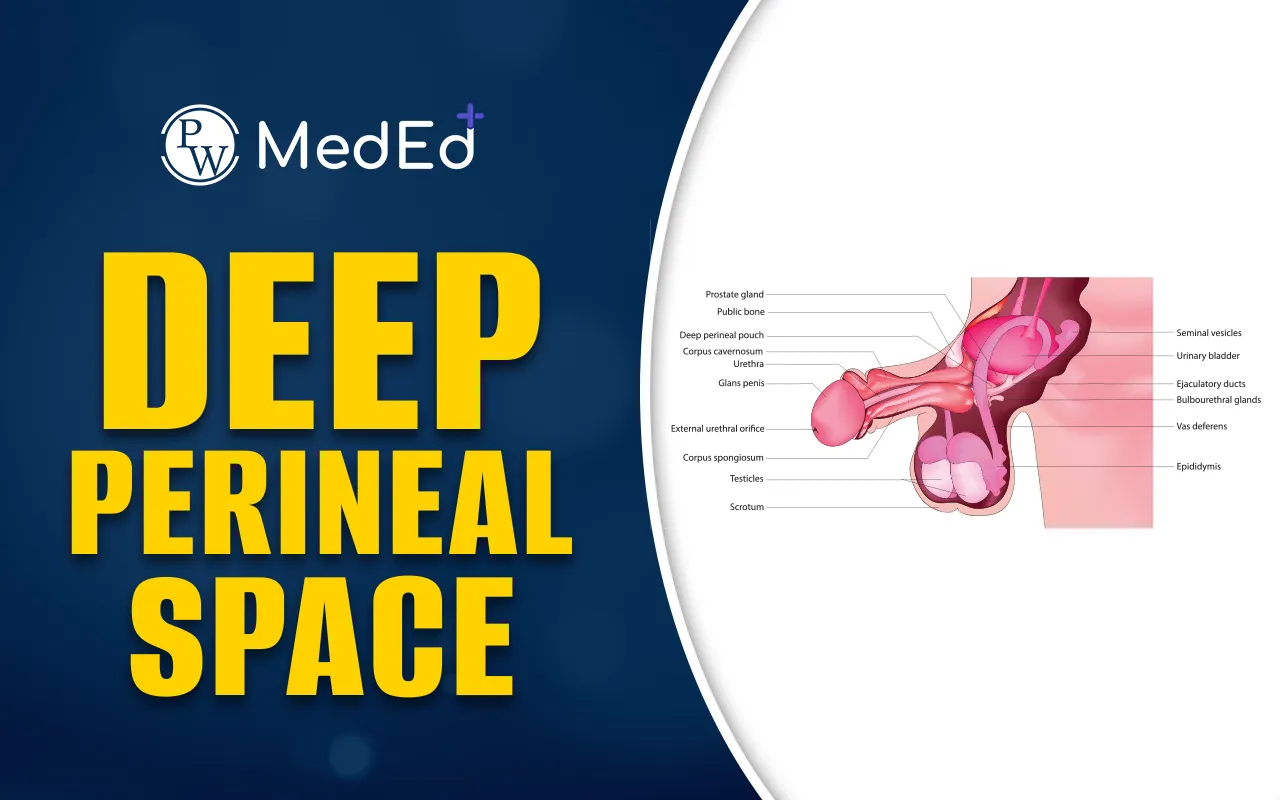
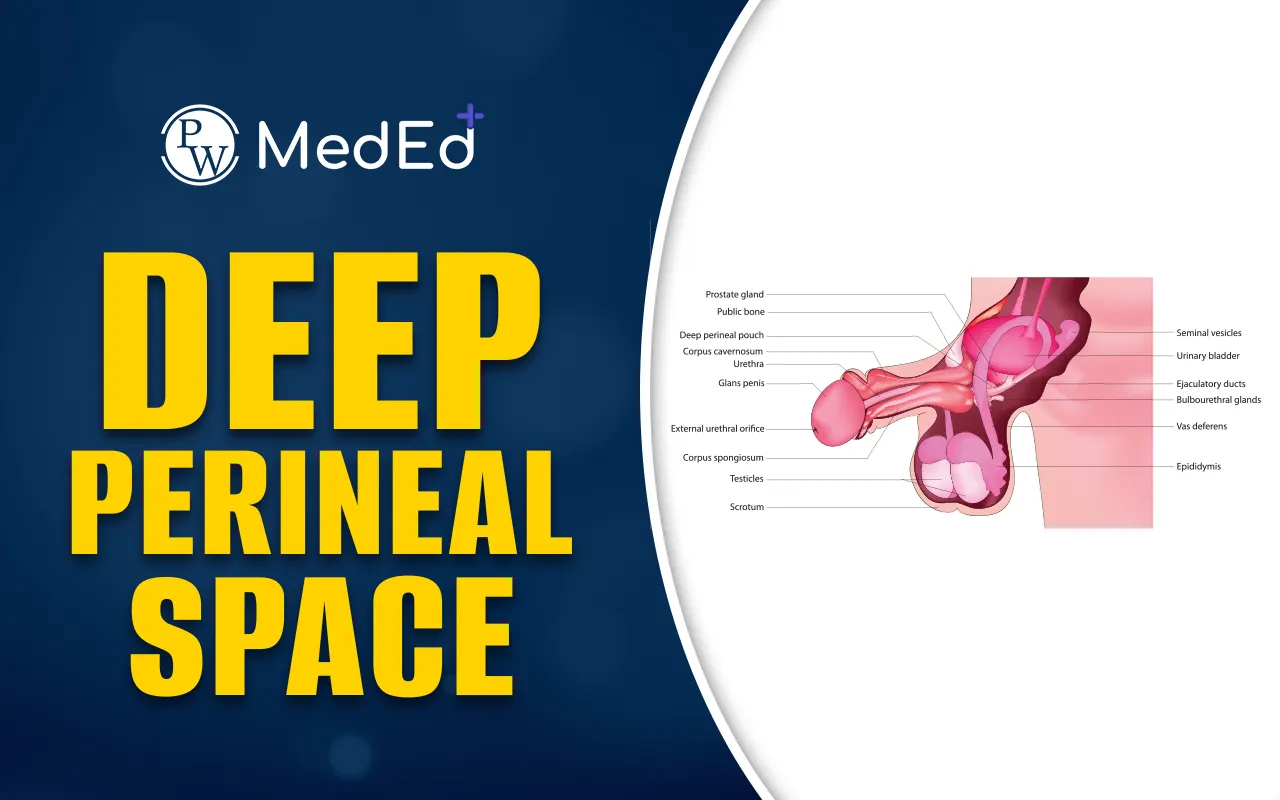
Deep perineal space is one of the small but important parts of the lower body. This space helps in supporting the organs that help one pee and have babies. In fact, it also helps those muscles in that area to work properly.
The deep perineal space sits between two thin layers in the body. It has important muscles, blood vessels, and nerves inside it. These parts help your body stay strong. Doctors and students learn about the deep perineal space so they can understand how the lower body stays supported. It also helps them know what to do during check-ups or surgeries.
What is Deep Perineal Space?
The deep perineal space is a small, closed area in the lower part of the body. It sits above the outside layer and below the inside muscle wall of the pelvis. People also call it the deep pouch.
This space has muscles, small glands, blood vessels, and nerves that help keep the bottom part of the body strong. The deep perineal space is inside the urogenital triangle, which is an area that helps with peeing and protects important organs. It also helps control how urine comes out and keeps the lower body stable and supported.
Boundaries of Perineal Region
The boundaries of the perineal region help one identify the deep perineal space clearly. The perineal region is shaped in a diamond structure and is located below the pelvic cavity.
Its boundaries include:
-
Anterior boundary: Pubic symphysis
-
Posterior boundary: Coccyx
-
Lateral boundaries: Ischial tuberosities
-
Roof: Pelvic diaphragm
-
Floor: Skin and superficial fascia
These boundaries divide the perineal region into two triangles. The deep perineal space lies inside the anterior triangle.
Relation with Urogenital Triangle
The urogenital triangle forms the anterior half of the perineal region. It plays a major role in the formation of the deep perineal space.
The deep perineal space lies within the urogenital triangle. This triangle contains:
-
Urethra
-
External urethral sphincter
-
Perineal membrane
-
Deep transverse perineal muscles
The deep perineal space lies just above the perineal membrane of the urogenital triangle. Because of this close relation, the deep perineal space participates in urinary function and muscular stability.
Relation with Anorectal Triangle
The anorectal triangle forms the posterior half of the perineal region. It contains:
-
Anal canal
-
External anal sphincter
-
Ischioanal fossae
Although the deep perineal space does not lie inside the anorectal triangle, its muscles and fascia are connected to structures around this triangle. These relations help maintain strength and stability between both triangles.
Structures Present in Deep Perineal Space
The deep perineal space contains several important structures:
| Structures Present in the Deep Perineal Space | ||
| Type | Structures | What They Do |
| Muscles | Deep transverse perineal muscleExternal urethral sphincterCompressor urethrae (in females)Sphincter urethrovaginalis (in females) | Help control peeing and support organs |
| Glands | Bulbourethral glands (in males) | Make fluids that help protect the body |
| Vessels & Nerves | Branches of the internal pudendal arteryPerineal branches of the pudendal nerve | Carry blood and messages to this area |
Blood Supply of Deep Perineal Space
The blood supply of the deep perineal space comes mainly from the internal pudendal artery.
Important branches include:
-
Perineal artery
-
Artery to the bulb
-
Urethral artery
Venous drainage occurs through veins that drain back into the internal pudendal vein. This blood supply maintains the function and support of the deep perineal space.
Innervation of Deep Perineal Space
The innervation of the deep perineal space is mainly through the pudendal nerve.
| Innervation of the Deep Perineal Space | |
| Nerve Branch | Function |
| Perineal nerve | Helps with urination and movement of the pelvic floor |
| Deep branch to the deep transverse perineal muscle | Helps the muscle work and supports pelvic movement |
| Dorsal nerve of the penis or clitoris | Gives feeling (sensation) to the private parts |
Proper innervation ensures smooth activity of the muscles inside the deep perineal space.
Functions and Clinical Relevance
The deep perineal space performs many roles in everyday activity and clinical practice.
Key functions include:
-
Support to pelvic floor
-
Control of urine flow
-
Protection of deep pelvic organs
-
Stability during sitting and movement
-
Structural assistance during childbirth (in females)
Clinical Relevance
Any injury, inflammation, or infection in this area may affect urination, pelvic stability, or reproductive functions. Conditions involving the deep perineal space also require careful examination because of the close relation with nerves and vessels.
Disorders or Injuries Involving Deep Perineal Space
Mentioned below are some of the common disorders of the Deep Perineal Space. Refer to the point below to know about the same:
| Disorders or Injuries Involving the Deep Perineal Space | |
| Condition / Problem | Cause / Effect |
| Muscle tears | Happen due to injury, childbirth, or accidents |
| Infections or abscesses | Infection spreads from nearby glands or tissues into the deep perineal space |
| Urethral injury | Injury to the lower pelvis can damage the urethra and nearby muscles |
| Pelvic floor weakness | Weak deep muscles can cause poor urine control or weak organ support |
| Post-surgical changes | Surgeries in the pelvic area may affect the deep perineal space |
Deep Perineal Space FAQs
What is the deep perineal space?
Where is the deep perineal space located?
What structures are present in the deep perineal space?