






Antimicrobial Resistance Impacts, Treatment, And Prevention Tips
Antimicrobial resistance occurs when germs, like bacteria, parasites, or fungi, evolve to overcome drugs intended to mitigate them. Know the other factors contributing to antimicrobial resistance and its treatment process here.
 Nivedita Dar3 Apr, 2024
Share
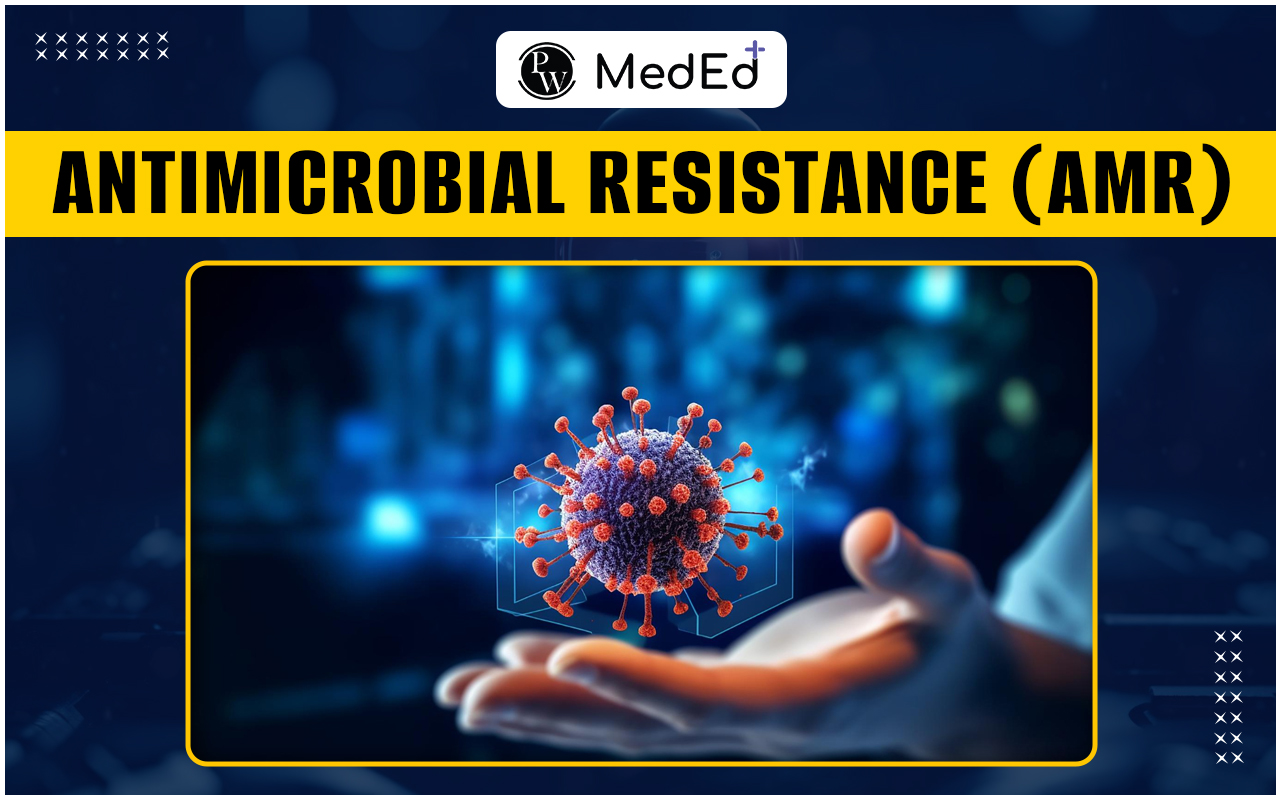
Antimicrobial Resistance: Antimicrobials are drugs used to fight infections in people, animals, and plants. Antimicrobial Resistance (AMR) happens when these drugs stop working against germs like bacteria, viruses, fungi, or parasites. When this occurs, infections can become more challenging to treat, leading to more severe illness and even death. This article provides complete information on Antimicrobial Resistance, which is helpful for candidates seeking a career in medicine.
Antimicrobial Resistance Overview
AMR, or Antimicrobial Resistance, is a natural occurrence caused by genetic changes in germs like bacteria, viruses, fungi, or parasites. However, human actions, especially the incorrect or excessive use of antimicrobial drugs in people, animals, and plants, speed up the development and spread of AMR. The further details are mentioned below:- Misuse and overuse of medications for infections worsen antimicrobial resistance (AMR).
- Antimicrobial drugs are crucial for modern medicine.
- Drug-resistant germs threaten our ability to treat common infections and perform essential medical procedures.
- Critical treatments like cancer therapy, C-sections, hip replacements, and organ transplants are at risk due to AMR.
- The World Health Organization (WHO) recognised the need to address global antimicrobial resistance (AMR).
- 2001, WHO introduced the Global Strategy for Containment of Antimicrobial Resistance to slow AMR's emergence and spread.
Factors Contributing to Antimicrobial Resistance
Antimicrobial resistance occurs naturally when microorganisms are exposed to antibiotics. The significant factors contributing to Antimicrobial Resistance include the following:- Antibiotics kill susceptible bacteria, while resistant bacteria survive and multiply.
- Overuse and inappropriate use of antibiotics contribute to the rise of antimicrobial resistance.
- Factors involved in the emergence and spread of antibiotic resistance include human medicine (community and hospital settings), animal production, agriculture, and the environment.
How is Antimicrobial Resistance diagnosed?
Antimicrobial resistance can affect anyone, but you're at higher risk if you have a weak immune system or often need antimicrobial treatment for infections. The diagnosis details include the following:- Diagnostic laboratory tests help identify the microbe causing an infection and its medication resistance.
- These tests can be slow, taking days or weeks, because microbes need time to grow in the lab.
- Identifying microbial resistance helps healthcare providers choose the most effective treatment.
- Quick diagnostic tests are needed to speed up the process and initiate appropriate treatment promptly.
Antimicrobial Resistance Treatment
When someone has an infection that doesn't respond to regular antibiotics, they may need to switch to a different medication that the bacteria are still sensitive to. The other treatment techniques involve the following mentioned below:- Sometimes, a higher dose of the antibiotic is required to combat the resistant bacteria effectively.
- In some instances, the duration of antibiotic treatment must be extended to ensure complete removal of the infection.
- Combining multiple antibiotics may be necessary to tackle the resistant bacteria effectively, as some antibiotics work better together.
- Alternative treatments like probiotics or specific therapies might be considered to help fight the infection in conjunction with antibiotics.
Antimicrobial Resistance Prevention
Maintaining a healthy lifestyle with a balanced diet, regular exercise, enough sleep, and good hygiene helps reduce Antimicrobial resistance. The other techniques involve the following:- Seek prompt medical advice and discuss symptoms with your healthcare provider if you feel unwell.
- Take prescribed medications exactly as directed by your healthcare provider.
- Avoid sharing medications with others or taking someone else's prescription.
- Do not keep or use leftover prescription drugs.
- Stay updated with recommended vaccinations.
What illnesses do Antimicrobials treat?
Microbes, tiny organisms like bacteria, viruses, fungi, and parasites, can make us sick by causing various illnesses. Thankfully, scientists have developed medicines called antimicrobials to help treat these illnesses. Here are a few examples of illnesses caused by microbes that antimicrobials can help treat:- Strep throat - A bacterial infection that makes your throat sore.
- Pneumonia is a lung infection that can make breathing hard.
- Food poisoning - Getting sick from eating contaminated food.
- Colds - Viral infections that cause stuffy or runny noses and sore throats.
- Influenza (the flu) - A contagious respiratory illness with symptoms like fever and body aches.
- Athlete’s foot - A fungal infection that affects the skin on your feet.
- Yeast infections - Fungal infections commonly affect women's genital areas.
- Tapeworms - Parasitic worms that can live in your intestines and cause health problems.
- Gonorrhea - A sexually transmitted bacterial infection that can cause painful urination.
- Urinary infections - Bacterial infections that affect the bladder, kidneys, or other parts of the urinary system.
Antimicrobial Resistance Examples
Researchers have developed numerous antimicrobial drugs and medications to treat illnesses caused by tiny organisms. Some examples of these medications are:- Penicillin (fights bacteria)
- Valacyclovir (treats viruses)
- Fluconazole (works against fungi)
- Praziquantel (targets parasites)
Impact of Antimicrobial Resistance
It's challenging to fully grasp the impact of antimicrobial resistance on deaths and healthcare expenses, with limited studies on the subject. In the US, over two million people suffer from antibiotic-resistant infections yearly, resulting in at least 23,000 deaths. In Europe, around 400,000 infections and 25,000 deaths are attributed to multidrug-resistant bacteria annually. These infections notably affect patients undergoing chemotherapy and organ transplantation. The economic burden includes increased healthcare costs and productivity loss, totaling at least 1.5 billion euros in Europe. Antimicrobial Resistance is a big problem for public health worldwide. If it worsens, there might be infections that doctors can't cure anymore. However, organizations like the WHO and the CDC are actively working to track, research, prevent, and combat antimicrobial resistance. To gain a better understand of Antimicrobial Resistance or other related medical topics, download the PW MedED app. Here, you'll find expert guidance and learning materials .Antimicrobial Resistance FAQs
What is the most significant cause of Antimicrobial Resistance?
The primary cause of antibiotic resistance is antibiotic use.
Who is most affected by AMR?
Children under five years are at particular risk of acquiring AMR infection.
What was the first Antibiotic?
The Penicillin was the first proper antibiotic.
Is AMR transmissible?
AMR bacteria can be transmitted between humans, animals, and the environment.
How many deaths does AMR cause?
Globally, there are 4.95 million deaths per year associated with antimicrobial resistance.


Talk to a counsellorHave doubts? Our support team will be happy to assist you!


Check out these Related Articles







Join 15 Million students on the app today!
 Live & recorded classes available at easeDashboard for progress trackingMillions of practice questions at your fingertips


Free Learning Resources
PW Books
Notes (Class 10-12)
PW Study Materials
Notes (Class 6-9)
Ncert Solutions
Govt Exams
Our Other Websites
Class 6th to 12th Online Courses
Govt Job Exams Courses
UPSC Coaching
Defence Exam Coaching
Gate Exam Coaching
Other Exams
Know about Physics Wallah
Physics Wallah is an Indian edtech platform that provides accessible & comprehensive learning experiences to students from Class 6th to postgraduate level. We also provide extensive NCERT solutions, sample paper, NEET, JEE Mains, BITSAT previous year papers & more such resources to students. Physics Wallah also caters to over 3.5 million registered students and over 78 lakh+ Youtube subscribers with 4.8 rating on its app.
We Stand Out because
We provide students with intensive courses with India’s qualified & experienced faculties & mentors. PW strives to make the learning experience comprehensive and accessible for students of all sections of society. We believe in empowering every single student who couldn't dream of a good career in engineering and medical field earlier.
Our Key Focus Areas
Physics Wallah's main focus is to make the learning experience as economical as possible for all students. With our affordable courses like Lakshya, Udaan and Arjuna and many others, we have been able to provide a platform for lakhs of aspirants. From providing Chemistry, Maths, Physics formula to giving e-books of eminent authors like RD Sharma, RS Aggarwal and Lakhmir Singh, PW focuses on every single student's need for preparation.
What Makes Us Different
Physics Wallah strives to develop a comprehensive pedagogical structure for students, where they get a state-of-the-art learning experience with study material and resources. Apart from catering students preparing for JEE Mains and NEET, PW also provides study material for each state board like Uttar Pradesh, Bihar, and others
Copyright © 2026 Physicswallah Limited All rights reserved.