






BAMS vs BDS: Which is Better? Career, Salary, Scope & Difficulty Explained
 Ekta Rakesh singh6 Apr, 2026
Share
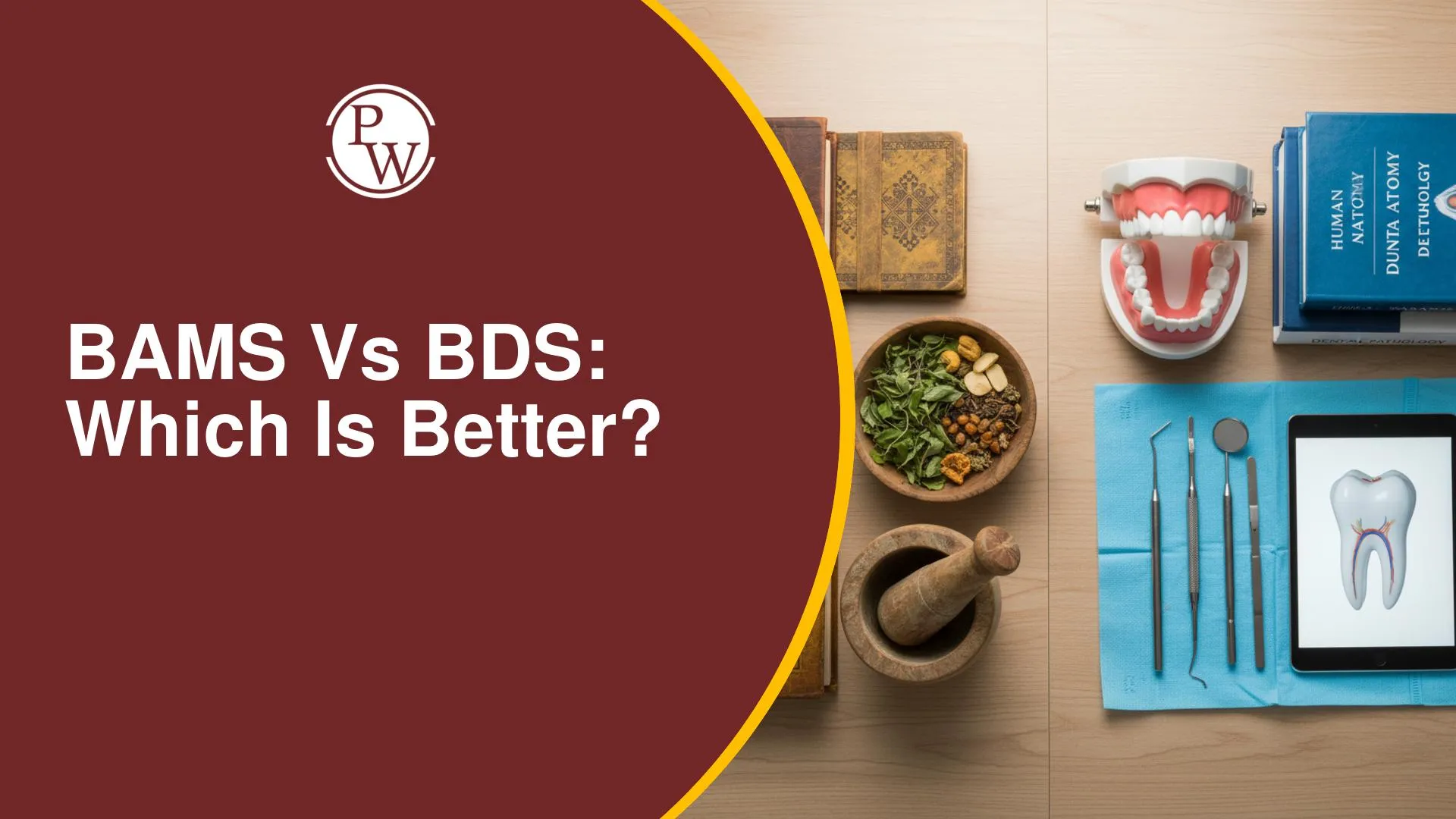
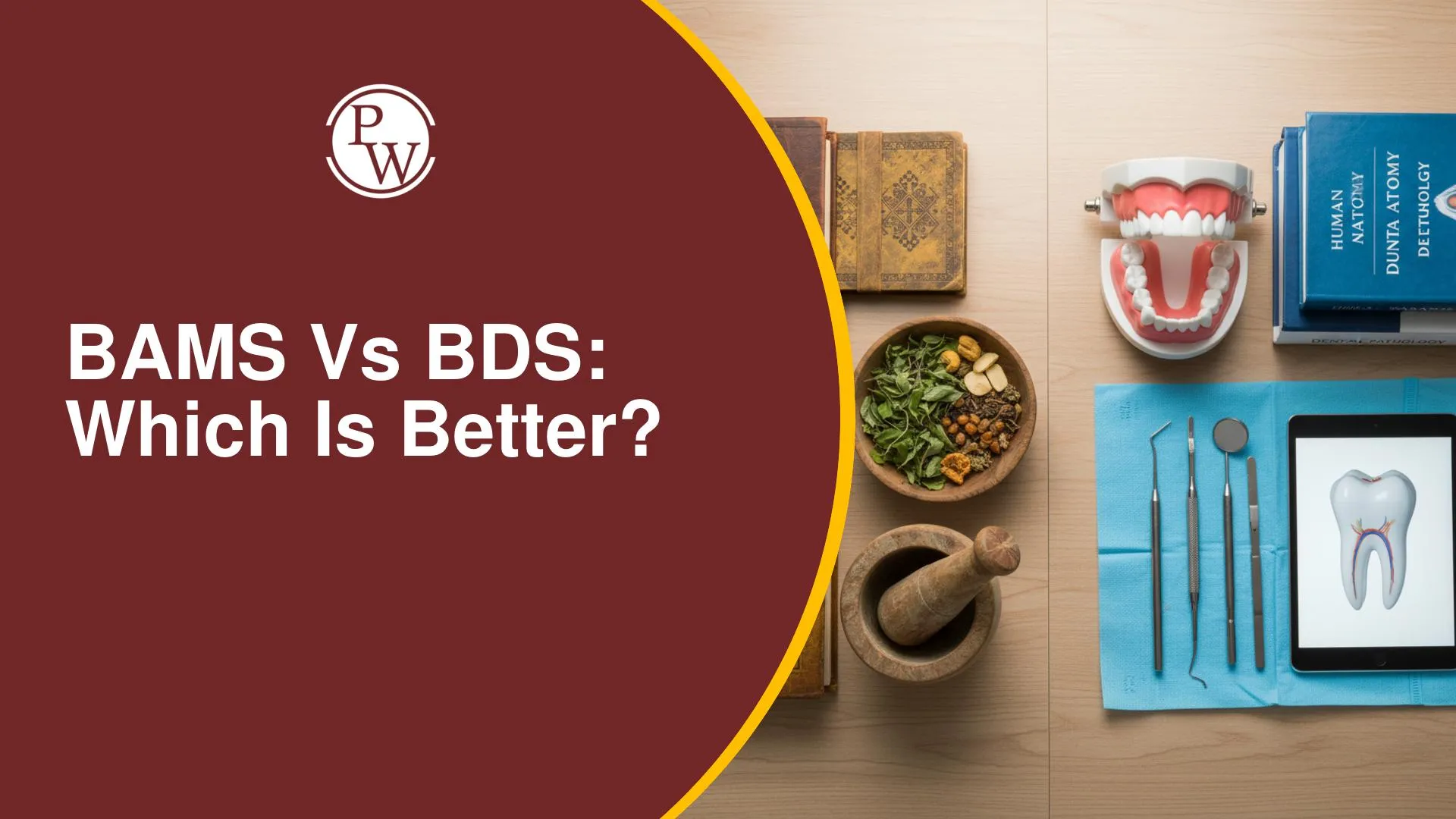
Choosing between BAMS (Bachelor of Ayurvedic Medicine and Surgery) and BDS (Bachelor of Dental Surgery) is a major decision for NEET aspirants. Both courses offer rewarding careers in the medical field, but they differ in terms of treatment approach, earning potential, scope, and difficulty.
A lot of students search for BDS vs BAMS which is better, but the real answer lies in understanding each factor deeply. Let’s break down every point in detail with clear explanations.
What is BAMS and BDS?
Understanding the basic difference between these two courses is the first step before making a decision. Both belong to the healthcare sector but follow completely different systems of treatment and learning.
BAMS (Bachelor of Ayurvedic Medicine and Surgery)
BAMS focuses on Ayurveda, a traditional system of medicine based on natural healing. It includes subjects like herbal medicine, Panchakarma therapy, and lifestyle-based treatments. Students learn how to treat diseases using holistic approaches rather than modern drugs.
BDS (Bachelor of Dental Surgery)
BDS focuses on oral healthcare and dental treatments. It includes procedures like tooth extraction, root canal treatment, braces, and cosmetic dentistry. The course is highly practical and requires clinical training.
Now the big question—BDS vs BAMS which is better? The honest answer is: it depends on your personality and career goals.
Based on Interest
-
If you like practical work, tools, and surgery → BDS is better
-
If you like theory, natural healing, and holistic care → BAMS is better
For example:
-
If you enjoy working with patients physically (like performing procedures), BDS will suit you
-
If you enjoy diagnosing and suggesting lifestyle-based treatments, BAMS is ideal
Based on Risk vs Stability
-
BAMS: More stable career (government jobs, low investment)
-
BDS: Higher risk but higher reward (private clinic success)
Dentistry vs Ayurveda Career: Conceptual and Practical Differences
The comparison of dentistry vs ayurveda career highlights fundamental differences in medical philosophy and practice.
Nature of Medical Practice
-
Ayurveda focuses on identifying and treating the root cause of disease through natural interventions.
-
Dentistry focuses on diagnosing and treating localized oral health issues through procedures and surgeries.
Patient Care Model
-
Ayurvedic practice involves long-term patient engagement and lifestyle modification.
-
Dental practice is procedure-oriented, often involving short-term interventions with immediate outcomes.
Professional Environment
-
BAMS graduates work in diverse settings such as government hospitals, wellness centers, and research institutions.
-
BDS graduates primarily work in clinics, hospitals, or private practices specializing in dental care.
This distinction reflects a broader contrast between holistic and specialized medical systems.
Scope of BDS vs BAMS
The scope of BDS vs BAMS is influenced by healthcare trends, government policies, and market demand.
Scope of BAMS
The scope of BAMS has expanded significantly due to increasing global interest in alternative and complementary medicine. In India, government initiatives under the AYUSH ministry have further strengthened employment opportunities.
Career avenues include:
-
Government medical officer positions
-
Private Ayurvedic practice
-
Wellness and lifestyle industries
-
Academic and research roles
Additionally, the relatively low cost of setting up an Ayurvedic clinic enhances accessibility for new practitioners.
Scope of BDS
BDS offers substantial scope in clinical practice and specialization. With advancements in cosmetic dentistry and oral healthcare awareness, demand for dental services continues to grow.
Career avenues include:
-
Private dental practice
-
Hospital-based dentistry
-
Specialization through MDS
-
Cosmetic and restorative dentistry
Salary Comparison BAMS vs BDS
The salary comparison BAMS vs BDS reveals differences in earning patterns across career stages.
Entry-Level Earnings
-
BAMS graduates typically earn between ₹20,000 and ₹35,000 per month.
-
BDS graduates often earn between ₹12,000 and ₹18,000 per month in initial roles.
The lower starting salary in BDS is attributed to dependency on private sector employment and limited clinical experience.
Mid- to Long-Term Earnings
-
BAMS professionals experience steady and predictable income growth, particularly in government roles.
-
BDS professionals may achieve significantly higher earnings through private practice and specialization.
However, BDS requires substantial initial investment (₹15–25 lakh) for clinic setup, compared to ₹2–5 lakh for BAMS practice.
Difficulty BDS vs BAMS
The difficulty BDS vs BAMS varies based on the nature of academic and clinical demands.
Academic Difficulty in BAMS
BAMS is characterized by:
-
Extensive theoretical content
-
Use of Sanskrit terminology
-
Conceptual understanding of traditional medicine
Students with strong memorization and analytical skills are more likely to excel.
Clinical Difficulty in BDS
BDS involves:
-
High level of manual dexterity
-
Precision in clinical procedures
-
Direct patient interaction and responsibility
Students must develop technical skills and maintain composure under clinical pressure.