Dr. Ritik Vyas FMGE Success Story: From 149 to 180 Marks with PW
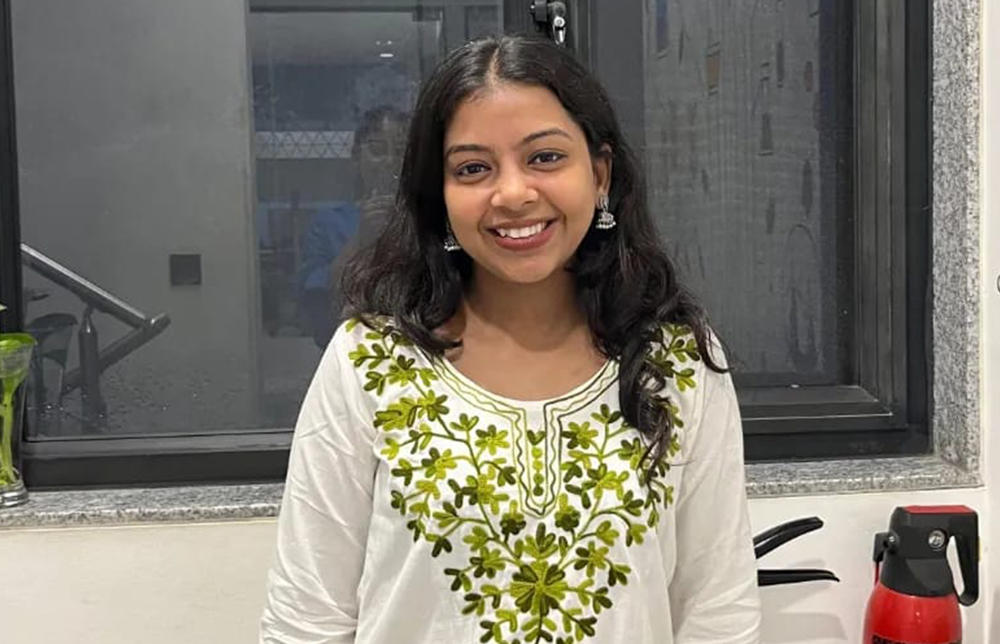

Dr. Ritik Vyas, from Pokhran in Jaisalmer, Rajasthan, completed his MBBS from Kemerovo State Medical University, Russia. His FMGE preparation took more than one attempt, and family circumstances affected his earlier study schedule. After scoring 143 and 149 marks in his first two attempts, he decided to make changes to his preparation for the October 2026 attempt.
Instead of changing all his study resources, Dr. Ritik focused on understanding concepts more deeply, revising consistently and practising more questions. He also found support through PW Med's YouTube resources, including one-shot videos and marathons. His experience offers useful insights into managing preparation, improving recall and staying consistent after setbacks.
Dr. Ritik Vyas's Medical Background and FMGE Attempts
Dr. Ritik completed his MBBS in Russia and appeared for FMGE multiple times. His first two attempts were affected by family circumstances, which made it difficult for him to prepare consistently. He scored 143 marks in his first attempt and 149 in the second.
After the second attempt, he even considered stepping away from the exam. However, the support of his father, grandfather and maternal grandfather encouraged him to continue.
He shared:
"After my second attempt, I also thought, main ab nahi kar sakta. Maine bol diya tha ghar pe ki ab mera ho chuka hai. My father, my grandfather and my maternal grandfather, who is also a doctor, all three of them supported me."
Their encouragement helped him create a more stable routine for his third attempt. With a healthier study environment and a renewed focus on preparation, he approached the October 2026 FMGE attempt with greater consistency.
The Preparation Changes That Helped Dr. Ritik Vyas Score 180
For his third attempt, Dr. Ritik did not completely change his study sources. Instead, he changed the way he approached subjects and understood medical concepts. Earlier, he would focus on diseases, their treatments and drug choices. This time, he paid more attention to the underlying mechanisms and aetiology.
He explained:
"Ma'am, is wale attempt mein maine sirf change yeh kiya tha ki source lagbhag same hi the. Content same tha.”
“But jo padhne ka tareeka tha mera ki pehle main jaise kisi disease ke baare mein padha phir uska treatment padha and drug of choice vagairah sab and that's it. But is baar maine kya kiya ki ma'am because mera Pharma achhi thi but Medicine nahi ja rahi thi achhi. Toh I started reading into the process."
This shift helped him understand topics more clearly, particularly in Medicine, which had been a weaker subject for him. Focusing on why a condition occurs and how the body responds helped him connect concepts rather than relying only on factual recall.
He also highlighted the importance of sticking to one source and revising it repeatedly:
"Actually recall kitna achha ho sakta hai uske liye aapko revision ki zaroorat hai. But agar aap source change karte rahe toh woh recall bahut mushkil ho jaata hai."
His experience reinforced the value of consistent revision instead of repeatedly switching between study materials.
Dr. Ritik Vyas's Three-Month FMGE Study Plan and Revision Strategy
Dr. Ritik divided his three-month preparation into preclinical subjects, clinical subjects and MCQ practice. He aimed to complete all 19 subjects in the first two months and dedicate the final month to solving more questions.
He explained:
"First month preclinical subject every six hours, six hours minimum, maximum jitna ho sake utna hum. And next one month jo hai second month hoga usmein clinical subjects. So do mahine mein saare 19 subject ho jayenge and jo last month hai usmein ho sake jitne zyada questions."
His daily question practice increased from 50–70 questions during the first two months to around 180–300 in the final month. He stressed that maintaining regular practice mattered more than the number of questions attempted.
For grand test analysis, he prioritised incorrect and guessed answers instead of revisiting questions he had already answered correctly.
"Jo question aapko aata hai usko wapas dekhne ka koi sense nahi banta. Jo galat hue hain pehle unko dekhiye uske baad jo aapne guess kiye unko dekhiye baaki chhod do."
He also followed repeated revisions, focusing on unfamiliar words and concepts rather than spending equal time on every topic.
PW Med YouTube Videos That Supported Dr. Ritik Vyas's Preparation
PW Med's YouTube videos were an important part of Dr. Ritik's preparation. He particularly found the one-shot videos and marathon sessions useful during the final phase, when he needed to revise subjects within a limited time.
When asked about one resource he would recommend, he specifically mentioned PW YouTube. He explained that the subject-wise videos helped him revise topics through focused sessions.
"PW YouTube."
He further explained:
"Ma'am, honestly ek just a second I want to explain on this because it was really helpful for me because jo one-shot videos, every subject was prepared very nicely and teachers were explaining very well."
He also found the three-to-four-hour sessions useful during the last 20 days before the examination, when revising an entire subject became particularly important. He used both PW Med's marathons and one-shot videos for this purpose.
Dr. Ritik also mentioned the PW Med question bank as part of his preparation resources. Since Medicine was initially a weak subject for him, he found Dr. Santosh Patil's Medicine videos particularly helpful.
He shared:
"And Doctor Santosh Patil, whose Medicine videos were too helpful for me because meri Medicine shuruat se weak thi and in third attempt it was the Medicine which helped me improve my score this much."
These resources supported his revision and helped him work on a subject that had previously been challenging.
Family Support and Dr. Ritik Vyas's Goal of Pursuing Oncology
Beyond his study plan, family support played an important role in Dr. Ritik's preparation. After his second attempt, his father, grandfather and maternal grandfather helped him establish a more supportive environment for studying.
He expressed his gratitude towards them:
"I would really like to thank my father, my grandfather and my maternal grandfather, Dr. Satish Purohit. All three of them were very supportive. They created a healthy environment for me for this third attempt."
Dr. Ritik also spoke about his motivation to pursue Oncology Medicine. His mother's experience with breast cancer and his father's diagnosis of renal cell carcinoma influenced his decision to work in this field. These personal experiences strengthened his desire to support people dealing with cancer.
He explained:
"Onco Medicine is the reason I took the MBBS. At that time I decided that it will be me who helps other people who get diagnosed and helps them get treated."
Dr. Ritik Vyas's FMGE October 2026 experience highlights the importance of consistency, repeated revision and understanding concepts instead of relying only on memorisation. His preparation changed not because he replaced all his resources, but because he identified what was not working and adjusted his approach.
His use of PW Med's YouTube one-shots, marathons, question bank and Medicine videos also formed part of his preparation. For FMGE aspirants, his experience offers a practical reminder to stay consistent with one source, analyse mistakes and keep practising questions while working towards their goals.