Pathology: Definition, Types, Role in Diagnosis & Career Scope

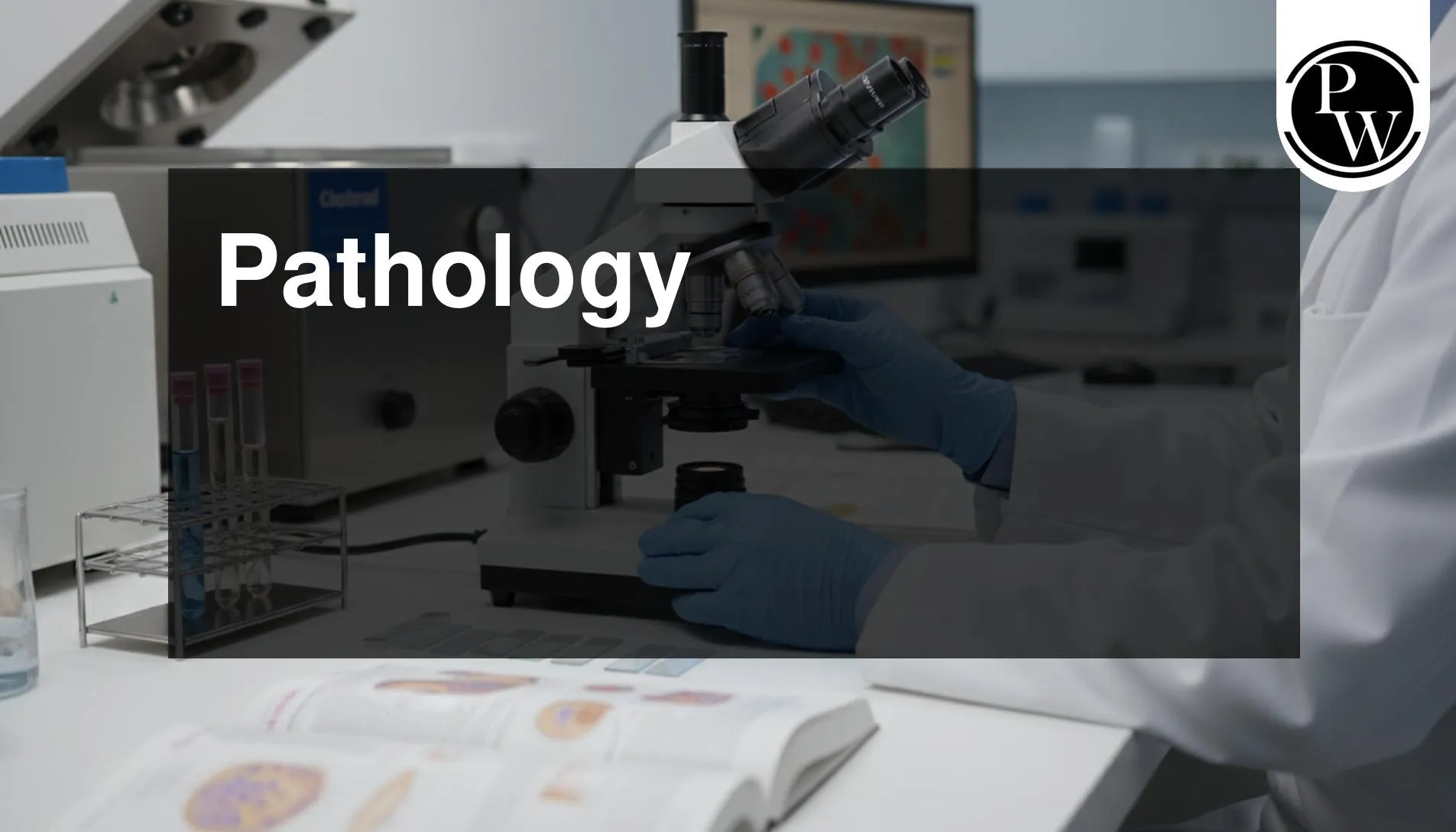
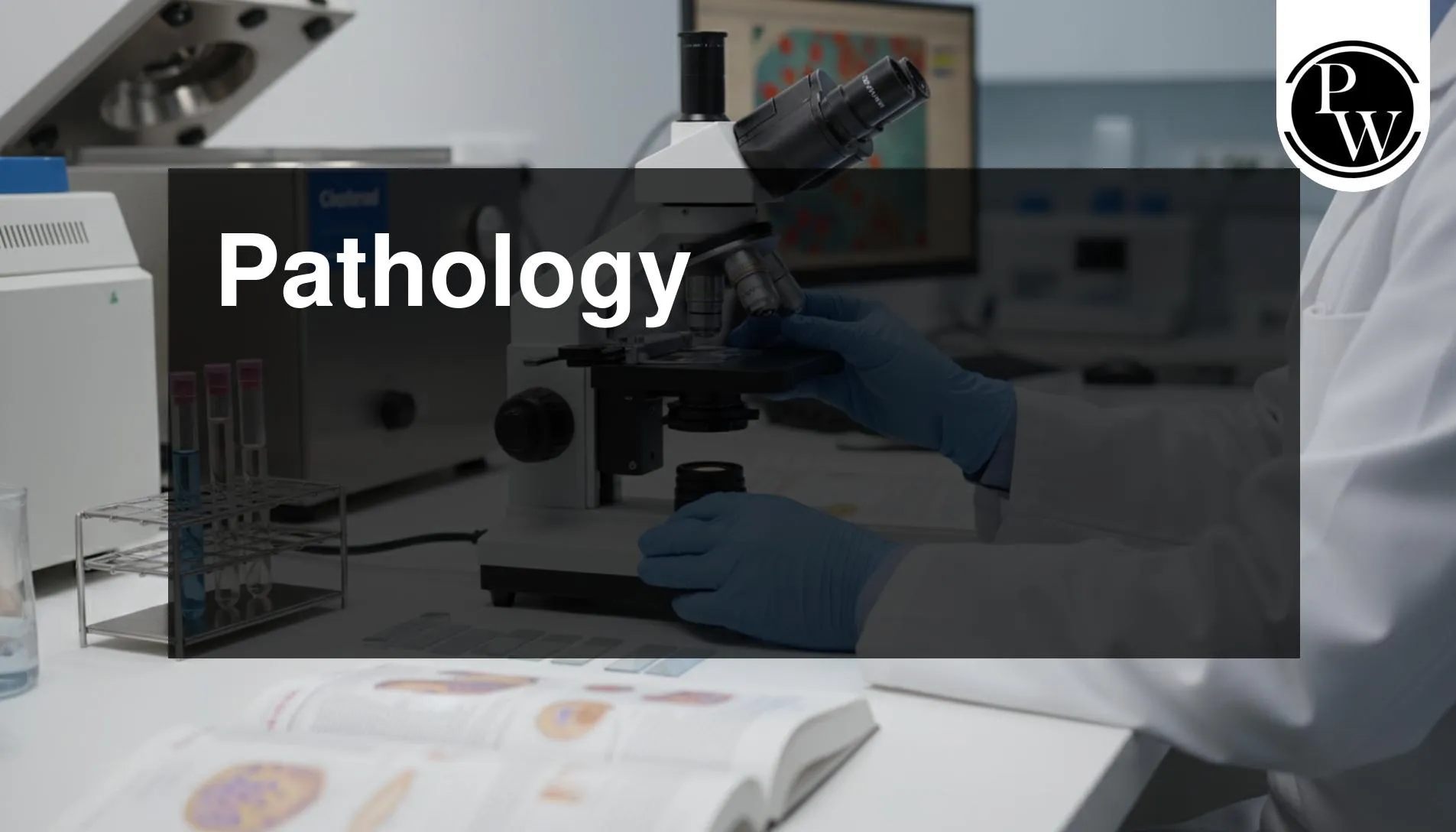
Pathology is the scientific study of disease. It explores the causes, processes, development, and consequences of illnesses. This field forms the core foundation for medical practice, guiding everything from initial diagnosis to advanced treatments. Learn about pathology, its major branches, role in patient care, and more.
Also Read - NEET PG 2026
What is Pathology?
Pathology is a branch of medical science that studies diseases. It focuses on identifying the causes of illness, understanding how diseases develop, and examining their effects on tissues, organs, and body systems. Pathology acts as the foundation of diagnosis. Doctors depend on pathology reports to confirm infections, cancers, blood disorders, and many other conditions.
The word “pathology” comes from the Greek words pathos (disease) and logos (study). In hospitals and clinics, pathology plays a crucial role in testing blood, urine, tissues, and other body fluids. Pathologists analyze samples using advanced laboratory equipment and microscopic examination.
Types and Branches of Pathology
Pathology includes many specialized areas, such as:
1. Clinical Pathology
Clinical pathology focuses on the laboratory analysis of blood, urine, and other body fluids. It includes:
-
Hematology (study of blood disorders)
-
Clinical biochemistry
-
Immunology
-
Microbiology
Most routine diagnostic tests fall under clinical pathology. When a doctor orders a blood sugar test or thyroid profile, clinical pathology is involved.
2. Anatomic Pathology
Anatomic pathology examines organs and tissues to diagnose diseases. It includes:
-
Histopathology (study of tissues)
-
Cytopathology (study of cells)
-
Forensic pathology
Biopsies and cancer diagnosis mainly fall under anatomic pathology.
3. Forensic Pathology
Forensic pathology deals with determining the cause of death. Forensic pathologists often work with law enforcement agencies to investigate suspicious deaths.
4. Molecular Pathology
Molecular pathology focuses on genetic and molecular testing. It plays a major role in cancer diagnosis and personalized medicine.
Role in Patient Care
Pathology underpins all aspects of patient care. Here’s why pathology is important:
-
Accurate Diagnosis – Most diseases are confirmed through laboratory tests or biopsy reports.
-
Treatment Planning – Cancer staging and grading depend on pathology findings.
-
Disease Monitoring – Blood tests track conditions like diabetes and infections.
-
Medical Research – Understanding disease mechanisms leads to new treatments.
Who Works in Pathology?
Pathology teams include trained medical professionals and laboratory scientists who analyze patient samples to identify and understand diseases. Pathologists are medical doctors with advanced training in diagnostic laboratory medicine, while clinical and biomedical scientists perform specialized testing procedures.
Laboratory technologists and support staff also play essential roles. Physicians, surgeons, and nurses depend on pathology findings to make accurate diagnosis and treatment decisions.
Career Opportunities in Pathology
A career in pathology offers stability, growth, and respect in the medical field. With the rising demand for diagnostic services, the need for trained pathology professionals is increasing rapidly.
-
Pathologist (after MD)
-
Medical Laboratory Technologist
-
Lab Technician
-
Research Scientist
-
Forensic Pathologist
-
Quality Control Officer in labs
Pathology FAQs
What does pathology mean?
Who works in pathology?
How does pathology help patients?
What is the importance of pathology in medicine?