FMGE October 2026 Success Story: Sanjay Kanth C Shares His Strategy
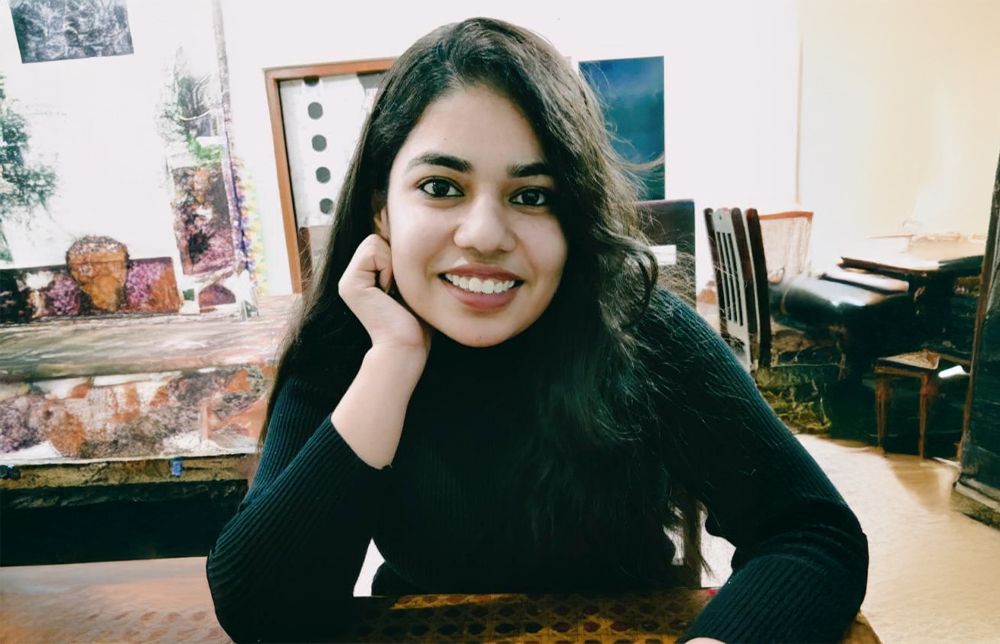
Sanjay Kanth C from Chennai cleared FMGE October 2026 in his first attempt, scoring 201 out of 300. After completing his MBBS from Davao Medical School Foundation, he prepared for the examination with a focused two-month schedule. PW's Crash Course, FMG Express, and FMG Marathon supported his subject revision and question-solving practice.

Clearing FMGE requires a clear understanding of medical subjects, regular revision, and consistent MCQ practice. For students completing their MBBS abroad, managing clinical postings alongside examination preparation can also be challenging.
Sanjay Kanth C from Chennai completed his MBBS at Davao Medical School Foundation (DMSF), Philippines. Unlike many aspirants, he did not follow a separate FMGE preparation schedule during most of his college years. He started dedicated preparation after returning to India and initially planned to appear for the January 2027 examination. However, the announcement of the October 2026 session changed his plans.
With two months of focused preparation and guidance from PW's FMGE resources, Sanjay cleared the FMGE October Result in his first attempt with 201 out of 300 marks.
Sanjay Kanth C Built His Foundation During MBBS
During his MBBS at DMSF, Sanjay became familiar with MCQ-based examinations and computer-based assessments. His college conducted regular assessments, including terminal and professional examinations, which helped him develop question-solving familiarity.
He also gained clinical exposure through rotations across different hospitals. However, the demanding day and night shifts left him with limited time for separate FMGE preparation.
When asked what advice he would give students studying in his college, he emphasised:
"Like I would say them to concentrate on their college studies first."
Sanjay explained that students should focus on understanding their medical subjects during MBBS itself. Although he did not prepare specifically for FMGE during college, he believes studying the concepts thoroughly made a difference.
Sanjay Kanth C Adjusted His Strategy After the October FMGE Announcement
Initially, Sanjay had planned to appear for FMGE January 2027. He skipped the June 2026 attempt because he did not feel confident about his preparation.
However, when the October examination was announced, he had only two months left. He immediately revised his schedule and prioritised covering all 19 subjects.
He shared:
"Then I went for covering up all the 19 subjects. I didn't leave any I didn't skip any subject even though if it is hard I would I would give it a go even if I didn't understand everything I would just listen just the subjects so what is the content they are speaking and what are the main important topic I should concentrate."
Instead of spending too much time on a few subjects, Sanjay focused on completing the entire syllabus. He divided his preparation into two phases:
-
First one and a half months: Covering all 19 subjects through lectures and revision resources.
-
Last one week: Practising important questions and revising repeated topics.
This helped him maintain coverage across subjects despite the shortened preparation period.
How PW Helped Sanjay Kanth C Prepare for FMGE
Sanjay came across Physics Wallah when the October FMGE session was announced. After watching PW lectures on YouTube, he decided to enrol in its Crash Course.
He primarily used the lectures for Medicine and OBGYN, as he found these subjects extensive and wanted to revise them properly. For other subjects, he referred to specific lectures whenever he needed clarification.
Explaining how he discovered PW, he said:
"I came across PW when the October FMG was announced by NBE. And that time um PW came up with the crash course option thing. So I first saw your videos lectures in YouTube. It was a bit good. So I thought why not I give a try with the crash course and I enrolled in it."
Apart from the Crash Course, PW's FMGE Express and FMGE Marathon supported his final revision. Since he had reserved only the last week for question-solving, these sessions helped him focus on important and repeated questions.
He shared:
"I went for the FMGE express conducted by the PW. Okay. And also the FMGE marathon. It was really helpful in solving the important questions like what were the repeated topics."
These resources helped him revise important topics and practise questions within the limited time available.
Sanjay Kanth C Used Weekly Grand Tests to Assess His Preparation
Alongside subject revision, Sanjay attempted approximately eight Grand Tests during the last two months of preparation. He generally took one test every week, with scores ranging between 165 and 190.
He did not always have enough time to analyse every test in detail. Whenever possible, he reviewed incorrect answers to understand his mistakes.
He explained:
"GTS I didn't give as many GTs as possible but the last one month last two months I gave one GT for each week. So that would come around eight GTs in total."
Interestingly, although he generally scored below 200 in his Grand Tests, he secured 201 marks in the actual FMGE Examination.
His experience highlights the importance of using mock tests to evaluate preparation rather than treating individual scores as the final measure of performance.
Sanjay Kanth C's Advice and Support System During FMGE Preparation
Sanjay credited his parents, brother, college teachers, and online educators for supporting his preparation. His family encouraged his decision to study from home instead of joining offline coaching.
He also highlighted the importance of having a supportive study partner. His friend Malati helped him throughout the preparation, and both encouraged each other during stressful periods. Malati also cleared FMGE with 185 marks.
Sharing his advice, Sanjay said:
"I would advise everyone to have a study buddy, especially during your preparation. An honest and not competitive. Like encouraging study buddy."
He further explained:
"Even if I'm stressed out, even if she is stressed out, both would dump each other. And we would ask for suggestions. What did you read? What must be covered? What should be done?"
For students still pursuing MBBS, Sanjay recommended building strong subject concepts during college rather than postponing all preparation until graduation.
He shared:
"I would encourage them to study their concepts wisely during their college days. Because once you do that here it is a revision. It would be really easy for you to cover up all those 19 subjects."
Sanjay Kanth C's journey shows how focused preparation, complete syllabus coverage, and timely revision can help aspirants manage a limited examination timeline. His first-attempt FMGE success also highlights the value of strong MBBS fundamentals, appropriate learning resources, and a supportive preparation environment.