







Urticaria Causes, Symptoms, Diagnosis, And Treatment Process
Urticaria, commonly known as hives, is a skin condition characterized by red, itchy welts, often triggered by allergens. Learn more about Urticaria's causes, symptoms, diagnosis, and treatment process here.
 Nivedita Dar15 May, 2024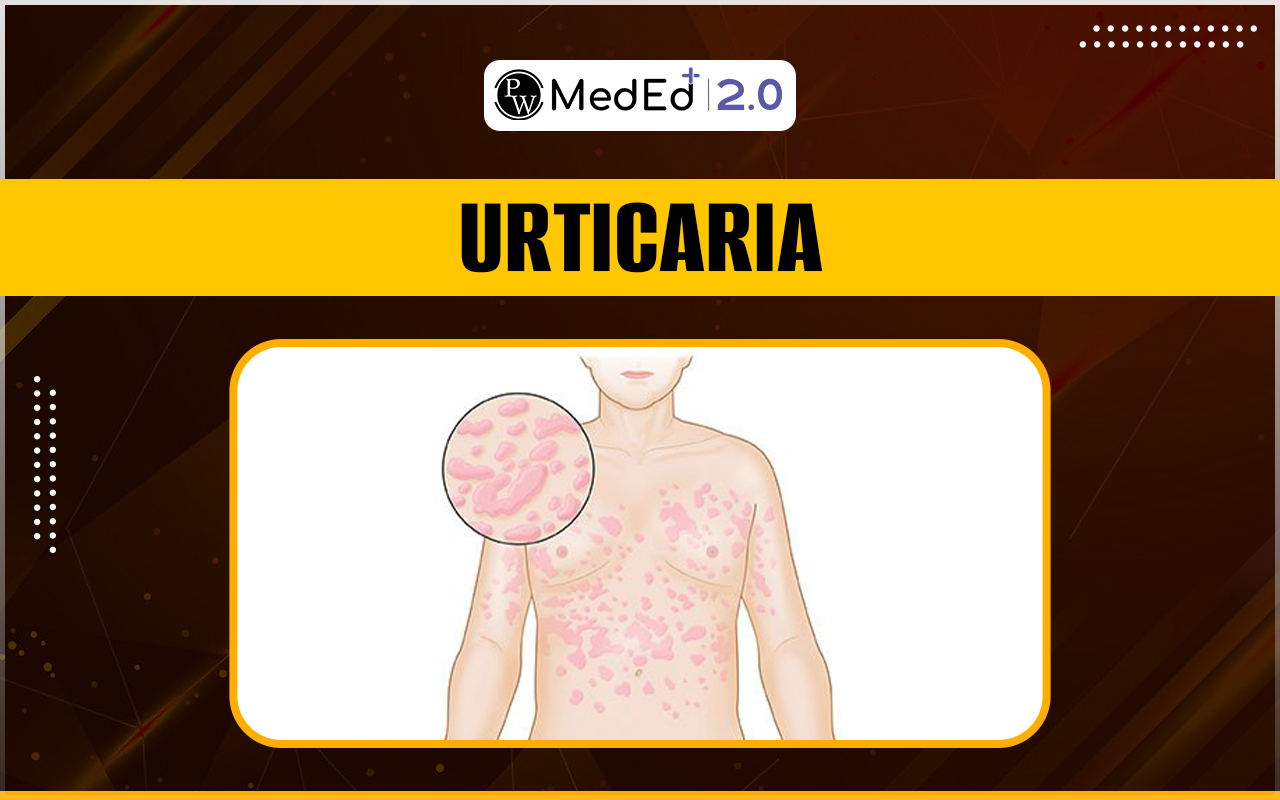
Urticaria, also known as hives, is a skin infection that causes rashes and bumps to develop on the skin. These are very itchy, last over six weeks, and may return after years. We can treat it with antibiotics or steroids.
What is Urticaria?
Raised red areas or patches on the skin, also known as hives, characterize urticaria. They are skin-surface swellings that develop due to an allergic reaction. In addition to being extremely itchy, hives can often burn or sting. They can be very small, like a fingertip, or they may combine to produce larger patches known as plaques. Hives sometimes go away in a few days but may also be visible for several weeks or longer.Classification of Urticaria
Urticaria is generally of different types, as follows:- Acute Urticaria: It is a kind of urticaria that doesn’t last long and typically goes away within six weeks.
- Chronic Urticaria: This type of urticaria occurs frequently, usually twice a week, and lasts over six weeks.
- Physical Urticaria: Often known as inducible urticaria, this type of allergy occurs with extreme exposure to heat or cold or even in response to pressure and vibrations.
Causes of Urticaria
Hives, or raised patches on your skin formed during urticaria, result from immune system chemicals released by the body in response to an allergic reaction. We have yet to identify the exact causes of this chemical release, which occasionally develops into long-term problems or chronic types. However, the factors mentioned below typically trigger it.Allergic Response
An allergic reaction to food, drink, medication, or contact with external objects frequently causes problems. The skin's immunological cells become active and release histamine, which tends to cause blood plasma to escape from tiny blood vessels in the skin, causing welts to form. Allergic reactions can occur in response to the following stimulants:- Medicines like nonsteroidal anti-inflammatory drugs and angiotensin-converting enzyme inhibitors (ACEIs)
- You can eat nuts, eggs, seafood, kiwi, bananas, chestnuts, or mango.
- Individuals with a latex allergy
- Some plants, like nettles, poison ivy, and poison oak,
- Some foods have additives.
- Certain Cosmetics
Physical Triggers
Allergies are not the only cause of chronic urticaria. They can also result from infections, physical disorders, stress, or extreme weather conditions. Examples of physical stimuli are:- Sunlight exposure
- Scratching or rubbing the skin
- Tight fittings cause pressure.
- Extreme temperatures or temperature changes
- A high body temperature brought on by perspiration, exercise, anxiety, or a hot shower
- The release of adrenaline during physical activity and heat-related stress
- UV light from tanning beds
Health Conditions
Certain health conditions, such as the following, can also cause urticaria:- Bacterial diseases include certain urinary tract infections and sore throats.
- Viral infections, such as the flu and the common cold,
- Hepatitis B and intestinal infections
- Autoimmune diseases such as type 1 diabetes, rheumatoid arthritis, systemic lupus erythematosus, Sjögren's illness, and celiac disease
- An infection that causes inflammation in blood vessels
Symptoms of Urticaria
The appearance of hives varies depending on the person and the conditions. They may appear reddish, raised, itchy, or swelling bumps on any body part.Symptoms of Acute Urticaria
- Raised skin lumps
- If the skin is lighter in color, the patches may appear reddish.
- When pressed, the middle of the hive bumps turns pale.
- Skin irritation
- Painful swelling in your eyes, lips, and throat
Symptoms of Chronic Urticaria
- Shapes and sizes change.
- It appears, goes away, and reappears frequently for months or years.
- It occurs in conjunction with stress, activity, or heat.
Diagnosis of Urticaria
A healthcare professional examines your skin and asks about your medical history to diagnose urticaria. Allergy testing can help determine the cause of a reaction, which is mostly the case with acute hives. for allergies to identify hives, including:- Skin tests: The doctor checks your skin for various allergens. If you experience redness or swelling on your skin, it indicates an allergy to that particular substance. This allergy test is also known as a skin prick or scratch test.
- A blood test shows the presence of specific antibodies your body produces to defend against the allergens in your blood. When you have an excess of antibodies, swelling and hives may occur.
Treatment for Urticaria
The majority of the time, the bumps disappear on their own. In cases of mild symptoms, treatment might not be necessary. However, severe discomfort, itching, or lingering symptoms may require treatment. Y our healthcare professional may suggest drugs and other treatments to help you feel better and reduce the likelihood of getting allergies again.Medications
Your doctor can prescribe medications you can apply to the affected skin or take orally. Prescription medications may treat the disease in the following ways:- Anti-itch medicines : These drugs, often known as antihistamines, can lessen swelling, itching, and other allergy-related symptoms.
- Immune system-suppressing drugs : If antihistamines are ineffective, your physician may recommend medication that suppresses an overactive immune system.
- Medication for inherited issues: Doctors prescribe medication to treat anyone with a hereditary form of urticaria to control their symptoms and maintain normal blood levels of certain proteins.
- Medications that reduce inflammation : In cases of severe problems, physicians may recommend a brief course of oral medication
Emergency Procedures
You may require an emergency injection (epinephrine) if you are experiencing a severe case of urticaria. Your doctor may recommend monthly injections that prevent allergic responses from recurring.Home Remedies and Lifestyle
In cases of mild symptoms, the following methods can give considerable relief:- Cold application : Place a cold washcloth or an ice cube over the affected region and leave it there for a few minutes to relieve the skin and stop itching.
- Take a cold shower. To relieve itching, take a cold bath or shower that suits you.
- Use loose, cotton garments . Avoid using woolen, tight, scratchy, or abrasive clothing.
- Avoid sunlight exposure : Use sunscreen for about 30 minutes before going outside. When you're outside, look for shade to ease your discomfort.
- Maintain proper skin care: Use a mild soap and fragrance-free moisturizer to prevent your skin from getting dry.
Complications of Urticaria
Anyone experiencing a severe allergic reaction to urticaria is at risk of developing a potentially fatal swelling of their lungs and throat, as well as low blood pressure. We refer to this situation as anaphylaxis.Prevention of Urticaria
You can prevent complications by avoiding or eliminating the triggers that can cause allergies. You should take the following precautions:- Eliminate specific foods from your diet.
- Minimize your exposure to allergens in the environment.
- Use fragrance-free and dye-free soaps and detergents.
- Avoid exposure to extreme temperature changes.
- When you find yourself overworked or stressed, relax and take a break.
- Put on airy, loose-fitting attire.
Urticaria FAQs
Is urticaria contagious?
Urticaria is not contagious. However, if you get the rashes from a plant's secretions, such as poison ivy, and don't wash them off the skin, you can transfer the allergies to others.
How fast do the allergic reactions occur, resulting in urticaria?
For people with food allergies, urticaria typically occurs within an hour. A drug's side effects can manifest after a few hours or much later, too.
How long does chronic urticaria last?
Chronic urticaria can last for more than six weeks and recur later.
What are the foods that typically cause allergic reactions?
The foods that might cause allergies include fish, eggs, soy, nuts, etc.
What parts of the body do hives typically appear on?
hives typically appear on legs, arms, and faces.



Talk to a counsellorHave doubts? Our support team will be happy to assist you!


Check out these Related Articles










Join 15 Million students on the app today!
 Live & recorded classes available at easeDashboard for progress trackingMillions of practice questions at your fingertips


Free Learning Resources
PW Books
Notes (Class 10-12)
PW Study Materials
Notes (Class 6-9)
Ncert Solutions
Govt Exams
Our Other Websites
Class 6th to 12th Online Courses
Govt Job Exams Courses
UPSC Coaching
Defence Exam Coaching
Gate Exam Coaching
Other Exams
Know about Physics Wallah
Physics Wallah is an Indian edtech platform that provides accessible & comprehensive learning experiences to students from Class 6th to postgraduate level. We also provide extensive NCERT solutions, sample paper, NEET, JEE Mains, BITSAT previous year papers & more such resources to students. Physics Wallah also caters to over 3.5 million registered students and over 78 lakh+ Youtube subscribers with 4.8 rating on its app.
We Stand Out because
We provide students with intensive courses with India’s qualified & experienced faculties & mentors. PW strives to make the learning experience comprehensive and accessible for students of all sections of society. We believe in empowering every single student who couldn't dream of a good career in engineering and medical field earlier.
Our Key Focus Areas
Physics Wallah's main focus is to make the learning experience as economical as possible for all students. With our affordable courses like Lakshya, Udaan and Arjuna and many others, we have been able to provide a platform for lakhs of aspirants. From providing Chemistry, Maths, Physics formula to giving e-books of eminent authors like RD Sharma, RS Aggarwal and Lakhmir Singh, PW focuses on every single student's need for preparation.
What Makes Us Different
Physics Wallah strives to develop a comprehensive pedagogical structure for students, where they get a state-of-the-art learning experience with study material and resources. Apart from catering students preparing for JEE Mains and NEET, PW also provides study material for each state board like Uttar Pradesh, Bihar, and others
Copyright © 2026 Physicswallah Limited All rights reserved.