






What Is A Junior Resident Job, Role, Salary & Career
A Junior Resident job is a postgraduate medical role after MBBS and internship. In Community Medicine, doctors focus on public health, disease prevention, and community care. They assist seniors, manage patients, and join health programs. The role offers hands-on training, ₹40,000–₹1,00,000 salary, and strong career growth opportunities.

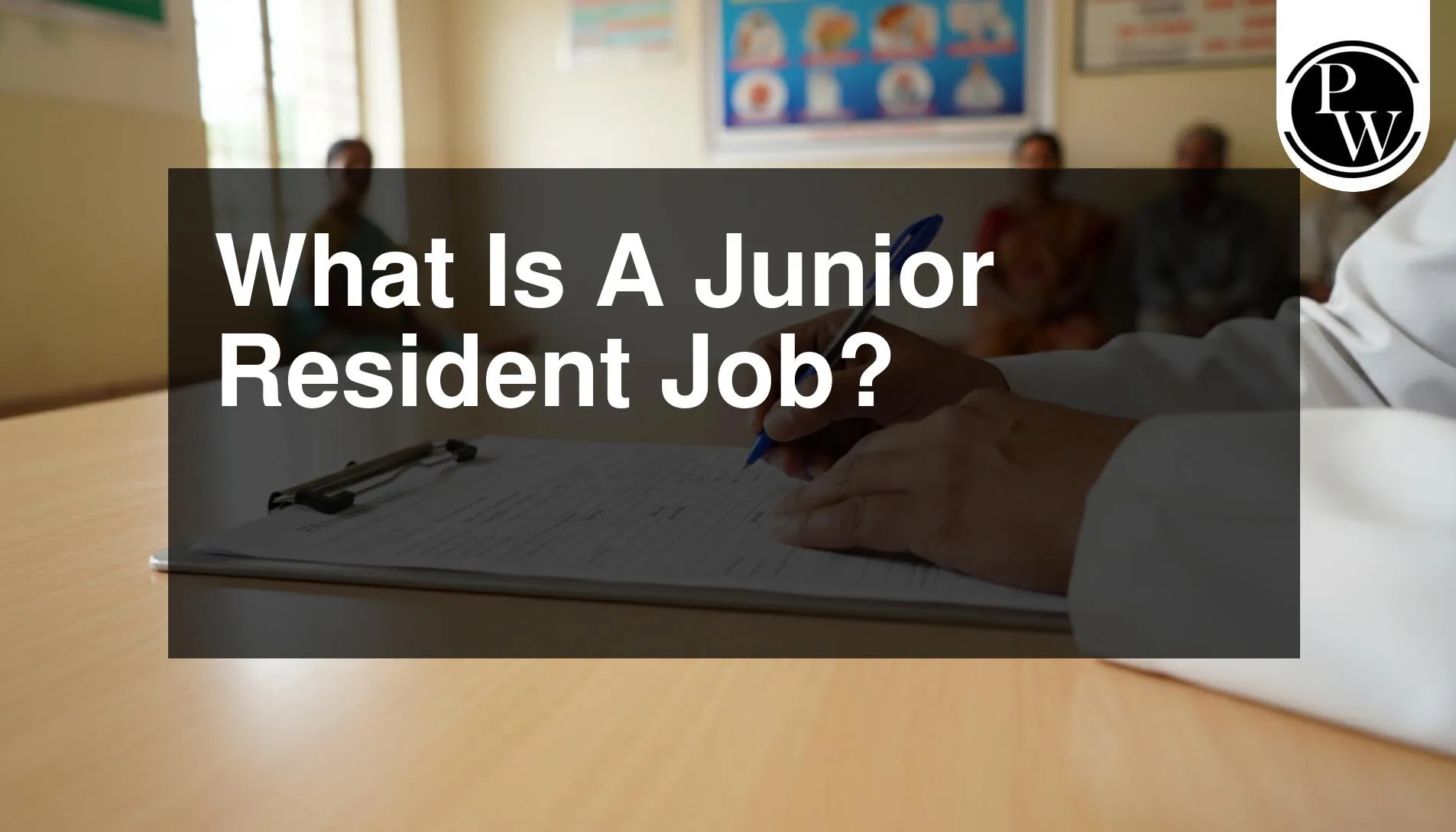
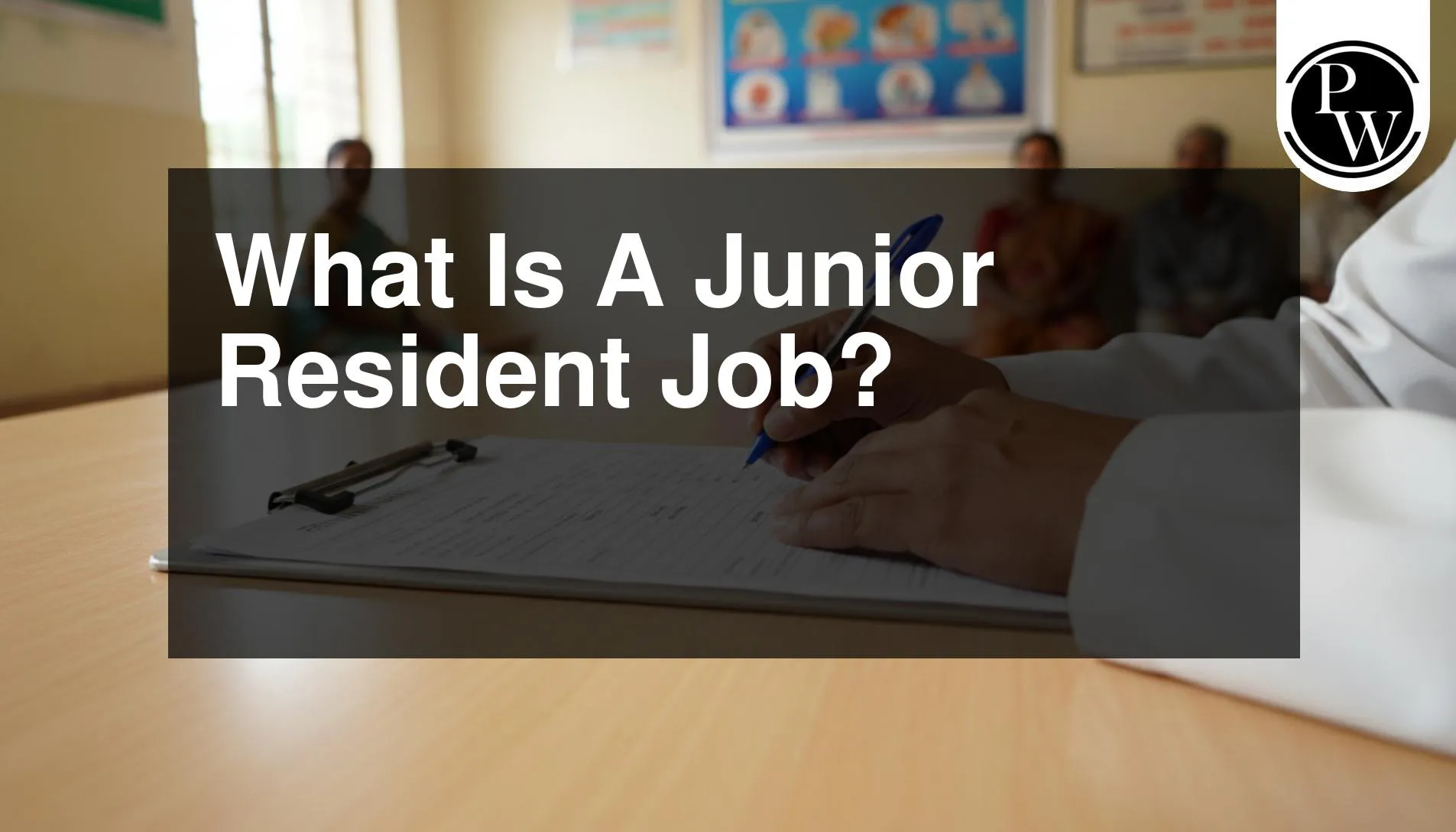
A Junior Resident is a postgraduate medical role after completing an MBBS degree in a hospital to gain practical training and experience. The Junior Resident job is the first step in a doctor’s professional journey after graduation. It helps young doctors learn how to handle patients independently under supervision.
This position focuses on public health, disease prevention, and community healthcare. It involves participation in national health programs, health education, and research. Here is everything about the Junior Resident job.
Also Read - Tips to Study Medicine in MBBS Final Year
About Junior Resident Job
A Junior Resident in Community Medicine is a medical professional at a postgraduate level. This role focuses on public health, preventive medicine, and community-oriented healthcare. It often takes place in government medical colleges, teaching hospitals, and public health settings.
Junior Residents treat patients, assist senior doctors, and handle emergency cases. They also learn advanced medical skills during this period. There are two main types of Junior Resident jobs:
-
Non-Academic Junior Resident – Doctors work in hospitals without enrolling in postgraduate studies.
-
Academic Junior Resident – Doctors who are pursuing postgraduate courses (like MD/MS) and working as part of their training.
The Junior Resident job usually lasts for 1 year, but it can extend up to 3 years in some hospitals.
Required Qualifications for Junior Resident
These qualifications are required for Junior Resident Community Medicine job.
-
Medical Degree: Must hold an MBBS degree from an NMC-recognized institution.
-
Internship: Completion of a mandatory medical internship.
-
Registration: Possess a valid State Medical Council or NMC registration.
-
Further Training (Optional): Some institutions prefer candidates already enrolled in or preparing for an MD in Community Medicine.
Important Skills for Junior Resident
Important skills for Junior Resident Community Medicine roles are crucial for success.
-
Communication: This includes public speaking, verbal, patient, and strategic communication.
-
Teamwork: Work effectively with medical teams, community members, and other stakeholders.
-
Report Writing: Prepare clear and concise reports on public health activities.
-
Health System Understanding: Knowledge of health systems and disease prevention methods.
Junior Resident Role Overview
The responsibilities of a Junior Resident are diverse and community-focused. Here are the main responsibilities:
-
Examine patients and record medical history
-
Assist senior doctors during surgeries
-
Prescribe medicines under supervision
-
Attend emergency cases
-
Manage patient rounds
-
Handle night duties
-
Maintain medical records
Other than that, the responsibilities of a Junior Resident in Community Medicine are:
-
Assist senior doctors with community health program planning and execution.
-
Conduct health screenings and surveys within local communities.
-
Provide primary healthcare services and health education to patients.
-
Work with local authorities and non-governmental organizations on health projects.
Salary of a Junior Resident in India
One of the most searched questions is about Junior Resident salary. The salary of a Junior Resident depends on the hospital and state.
Here is the general salary range:
-
Government hospitals: 56100-177500 per month
-
Private hospitals: ₹40,000 to ₹80,000 per month
Government Junior Resident jobs also offer benefits like:
-
House rent allowance (HRA)
-
Dearness allowance (DA)
-
Paid leave
-
Hostel facility (in some cases)
The Junior Resident job provides financial stability while preparing for postgraduate entrance exams.
Junior Resident Career Progression
Junior Residency improves academic knowledge, practical exposure, and research skills. It prepares doctors for higher studies like MD in Community Medicine. It also creates opportunities in public health fellowships and government health services.
Junior Resident Job FAQs
What qualifications are required for Junior Resident Community Medicine jobs?
What are the core responsibilities of a Junior Resident in Community Medicine?
How long does a Junior Resident job last?
Can I prepare for NEET PG during Junior Residency?





Get Free Counselling Today
and Clear up all your Doubts
 Live & recorded classes available at easeDashboard for progress trackingLakhs of practice questions

