





What is Inflammation?: Causes, Symptoms, and Acute vs Chronic Differences
 Nivedita Dar5 Mar, 2026
Share
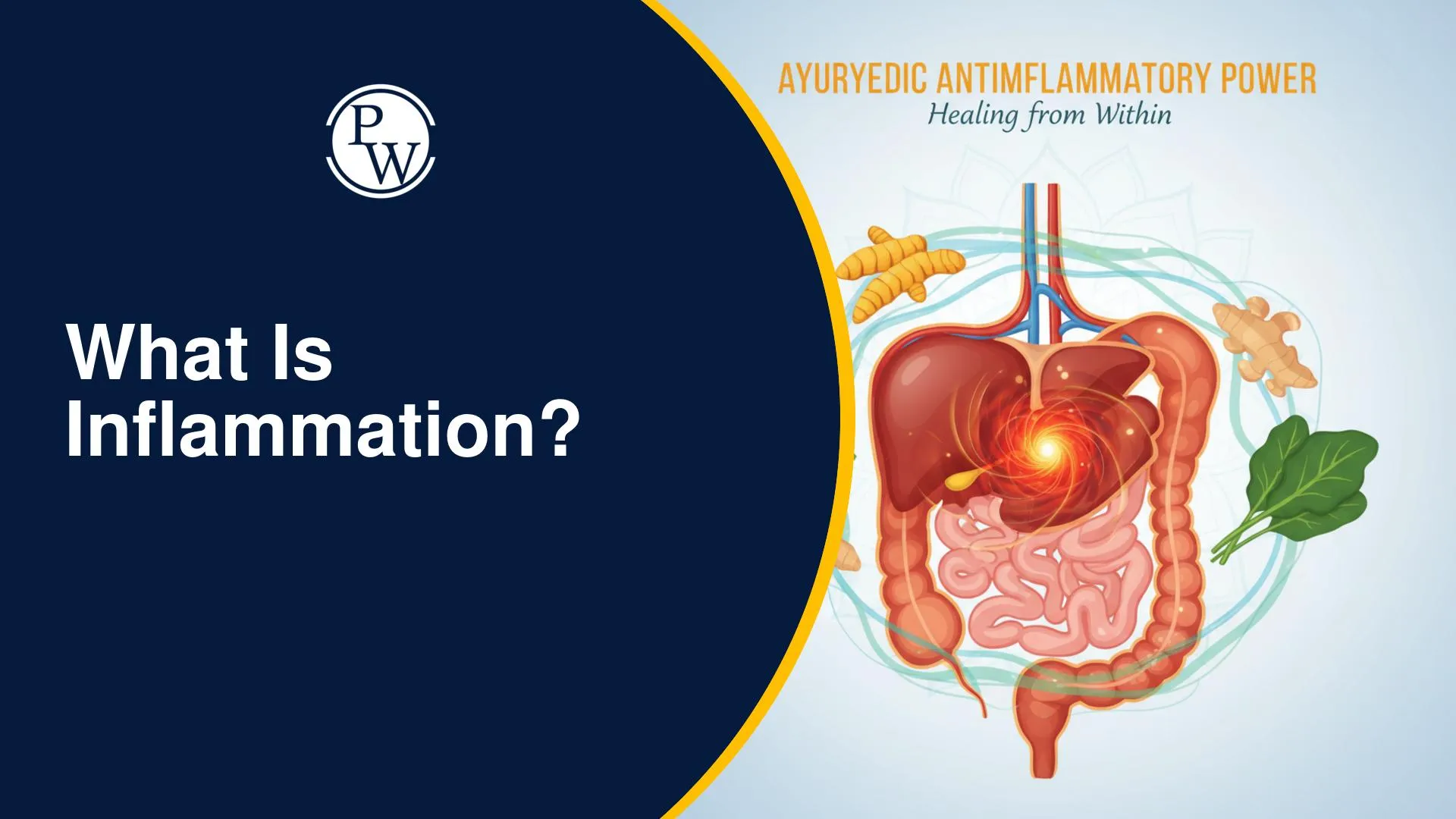
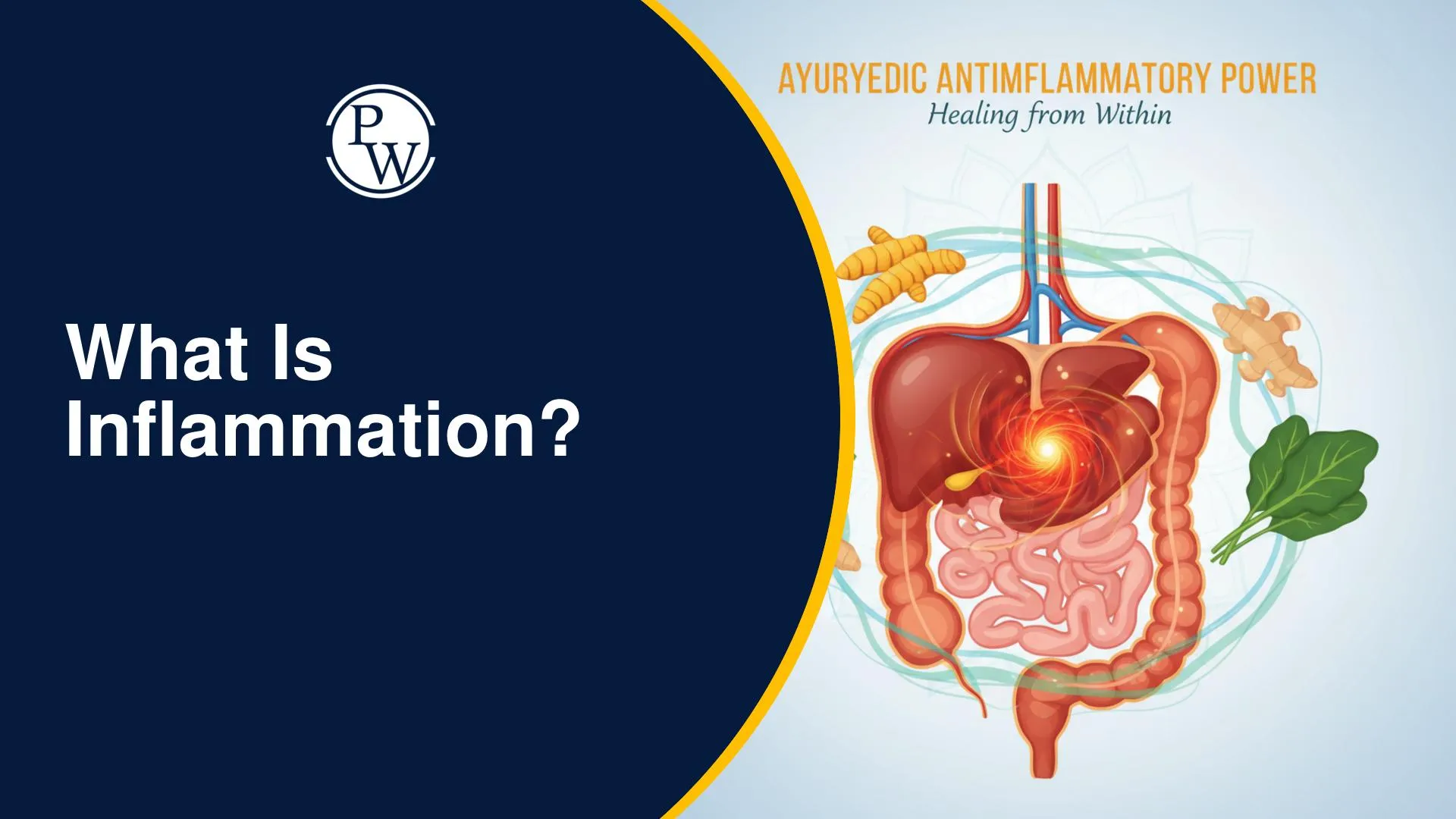
Inflammation is the body’s natural response to injury or infection. It is a protective mechanism. When your body is attacked by bacteria, viruses, or is injured, the immune system reacts. That reaction is called inflammation.
Inflammation helps the body fight infection and start healing. But if inflammation continues for a long time, it can cause damage and disease.
In NEET PG, inflammation is an important topic in pathology and medicine. Many questions concern acute and chronic inflammation.
Also Read - NEET PG 2026 Syllabus
What is Inflammation?
Inflammation is the response of living tissue to injury. It happens only in tissues that have blood supply.
When there is injury:
-
Blood vessels become wider (vasodilation)
-
More blood flows to the area
-
White blood cells move to the injured site
-
Chemicals are released to fight infection
This process helps remove harmful agents and repair damaged tissue.
What Causes Inflammation?
Many factors can cause inflammation. Understanding what causes inflammation is important for exams.
Common causes include:
-
Infections
-
Bacteria
-
Viruses
-
Fungi
-
Parasites
-
Physical Injury
-
Cuts
-
Burns
-
Trauma
-
Fractures
-
Chemical Irritants
-
Toxins
-
Smoke
-
Pollution
-
Autoimmune Diseases
-
Rheumatoid arthritis
-
Lupus
-
Tissue Damage
-
Ischemia (lack of blood supply)
-
Necrosis
So, when asked what causes inflammation, remember: infections, injury, immune reactions, and tissue damage are the main reasons.
What Are the Symptoms of Acute Inflammation?
Acute inflammation happens quickly and lasts for a short time (few days).
There are five classical signs of acute inflammation:
-
Redness (Rubor) – due to increased blood flow
-
Heat (Calor) – area feels warm
-
Swelling (Tumor) – due to fluid collection
-
Pain (Dolor) – caused by chemical mediators
-
Loss of function – difficulty using the affected part
So, what are the symptoms of acute inflammation? They are redness, heat, swelling, pain, and loss of function. Sometimes, fever and tiredness can also occur, especially during infections.
What’s the Difference Between Acute and Chronic Inflammation?
Acute and chronic inflammation differ mainly in duration and effect on tissues. Acute inflammation is rapid, short-term, and usually resolves after eliminating the cause. Chronic inflammation is long-lasting, develops slowly, and can lead to continuous tissue damage and fibrosis. Check below for details:
Acute Inflammation
-
Sudden onset: Develops quickly after injury or infection, usually within minutes to hours. It is the body’s immediate defense response.
-
Short duration: Lasts for a few hours to a few days. It usually resolves completely once the cause is removed.
-
Main cells involved: Neutrophils are the primary cells. They help in destroying bacteria and clearing damaged tissue.
-
Common symptoms: Redness, heat, swelling, pain, and loss of function are the classic signs seen in acute inflammation.
-
Outcome: Typically leads to complete healing without permanent tissue damage.
Chronic Inflammation
-
Slow onset: Develops gradually and may follow acute inflammation or persist due to ongoing injury.
-
Long duration: Can last for weeks, months, or even years if the cause is not eliminated.
-
Main cells involved: Macrophages and lymphocytes dominate. These cells can cause ongoing tissue injury.
-
Symptoms: Often mild or less obvious, but may cause continuous tissue damage internally.
-
Outcome: May lead to fibrosis (scar formation), organ dysfunction, or chronic diseases like tuberculosis or rheumatoid arthritis.
Basic Mechanism of Acute Inflammation
In simple terms, inflammation happens in two main steps:
1. Vascular Changes
-
Blood vessels widen
-
More blood reaches the area
-
Fluid leaks into tissues
This causes redness and swelling.
2. Cellular Changes
-
White blood cells move to the injured area
-
They kill bacteria and clean damaged cells
This helps in healing.
Important Chemicals in Inflammation
Some important substances released during inflammation:
-
Histamine → Causes vasodilation
-
Prostaglandins → Cause pain and fever
-
Cytokines (like IL-1, TNF) → Cause fever and immune activation
Basic exam tip:
-
NSAIDs reduce inflammation by blocking prostaglandins.
-
Steroids reduce many inflammatory chemicals.
Chronic Inflammation and Disease
If inflammation continues for a long time, it can cause damage.
Chronic inflammation is linked to:
-
Heart disease
-
Diabetes
-
Cancer
-
Arthritis
Long-term inflammation damages healthy tissues and may lead to fibrosis (scar formation).
What Foods Reduce Inflammation?
Although not heavily tested in NEET PG, this is useful for general medicine knowledge.
What foods reduce inflammation?
Some foods help decrease inflammation naturally:
-
Fatty fish (rich in omega-3)
-
Green leafy vegetables
-
Fruits like berries
-
Nuts and seeds
-
Olive oil
-
Turmeric
Foods that increase inflammation:
-
Junk food
-
Fried food
-
Sugary drinks
-
Processed food
Healthy lifestyle habits also reduce inflammation:
-
Regular exercise
-
Proper sleep
-
Stress control