








Chemistry Biomolecules Syllabus for NEET 2026

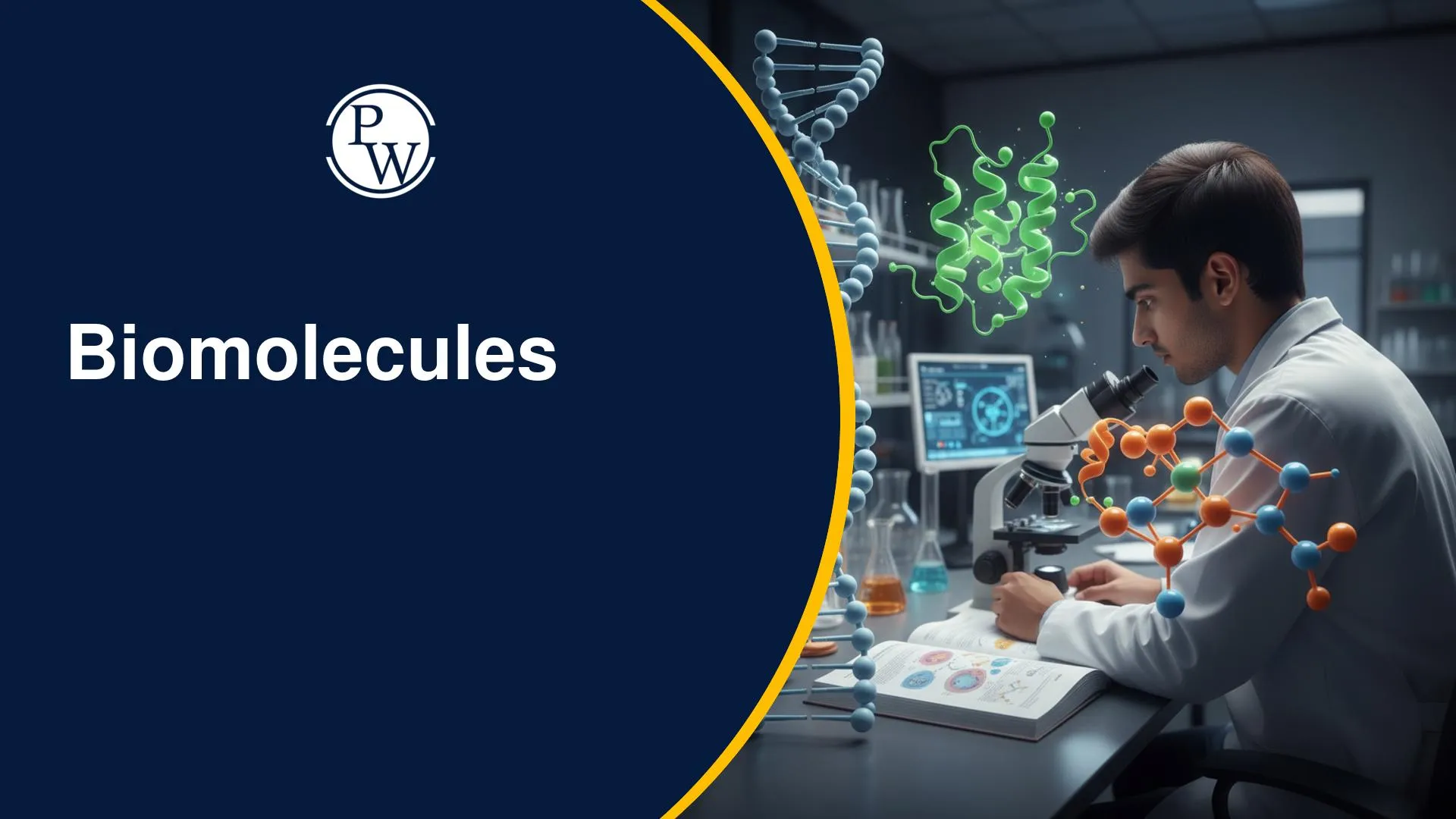
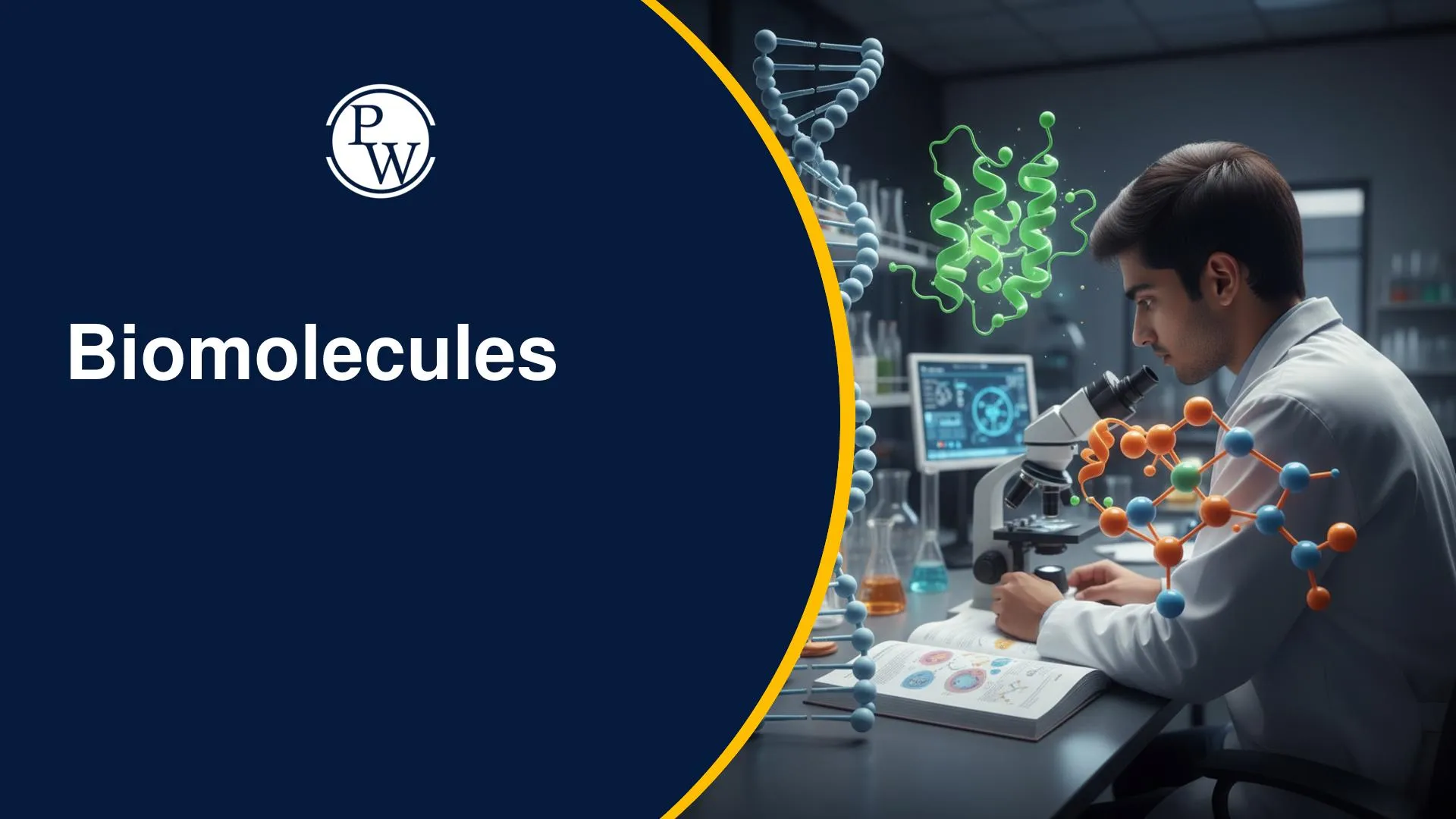
Living organisms are built and sustained through complex organic molecules that perform structural, functional, and regulatory roles inside cells. These naturally occurring compounds, known as Biomolecules, are essential for energy production, growth, metabolism, genetic inheritance, and maintenance of life processes.
This unit introduces the chemistry behind Carbohydrates, Proteins,Vitamins, Nucleic Acids, Enzymes, and Hormones while connecting their structures to Biological Functions. Unlike many reaction-heavy units in Organic Chemistry, Biomolecules focuses more on understanding molecular organization, biological importance, and functional relationships within living systems.
Carbohydrates and Their Classification
Carbohydrates are one of the primary energy sources for living organisms and are composed mainly of carbon, hydrogen, and oxygen. Depending on the number of sugar units present, carbohydrates are classified into monosaccharides, oligosaccharides, and polysaccharides.
This unit mainly focuses on Monosaccharides such as Glucose and Fructose along with important disaccharides including Sucrose, Lactose, and Maltose. You also study the distinction between Aldoses and Ketoses based on the type of carbonyl group present in the molecule.
Understanding the structure and interconversion of sugars helps in building clarity about biological energy systems and metabolic pathways.
Proteins, Amino Acids, and Enzymes
Proteins are large Biomolecules made from amino acids joined together through peptide bonds. They perform a wide range of functions including structural support, transport, catalysis, immunity, and regulation of biological processes.
The syllabus introduces the basic idea of α-amino acids and explains how peptide bonds form polypeptide chains. You also study different levels of protein organisation, including:
-
Primary structure
-
Secondary structure
-
Tertiary structure
-
Quaternary structure
The concept of protein denaturation is important because it explains how changes in temperature or chemical conditions can affect protein structure and function.
Biomolecules also cover enzymes, which are biological catalysts responsible for accelerating biochemical reactions within living organisms.
Vitamins and Hormones
Vitamins are essential organic compounds required in small quantities for proper growth, metabolism, and physiological functioning. Since the human body cannot synthesise sufficient amounts of most vitamins, they must be obtained through diet.
This unit explains the classification of vitamins and their major biological functions. Deficiency of Vitamins may lead to several health disorders and metabolic problems.
Hormones are chemical messengers produced by endocrine glands that regulate various activities within the body. Biomolecules introduce their general role in coordination, growth, metabolism, and maintenance of homeostasis.
Nucleic Acids: DNA and RNA
Nucleic acids are Biomolecules responsible for the storage and transmission of genetic information. DNA carries hereditary instructions, while RNA participates in protein synthesis and gene expression.
The syllabus includes the chemical constitution of DNA and RNA along with their biological functions. Students learn about components such as nitrogenous bases, sugars, and phosphate groups that together form nucleotides.
Understanding Nucleic Acids is important because they connect chemistry with genetics, heredity, and molecular biology.
Biomolecules: Complete Study Resources By PW
Physics Wallah provides concept-based study material and revision support for Biomolecules and related Biological Chemistry topics.
|
Resource |
Link |
|
Biomolecules PYQs |
View |
|
Biomolecules MCQs |
View |
|
Biomolecules Formula Sheet |
View |
|
Biomolecules Mind Maps |
View |
FAQs
What are Biomolecules?
What is the difference between DNA and RNA?
What are Enzymes?


Have questions about your prep?
Our experts can answer all your questions





 Live & recorded classes available at easeDashboard for progress trackingLakhs of practice questions

