Can I Wear Fancy Dresses While Going for NEET 2026 Exam?

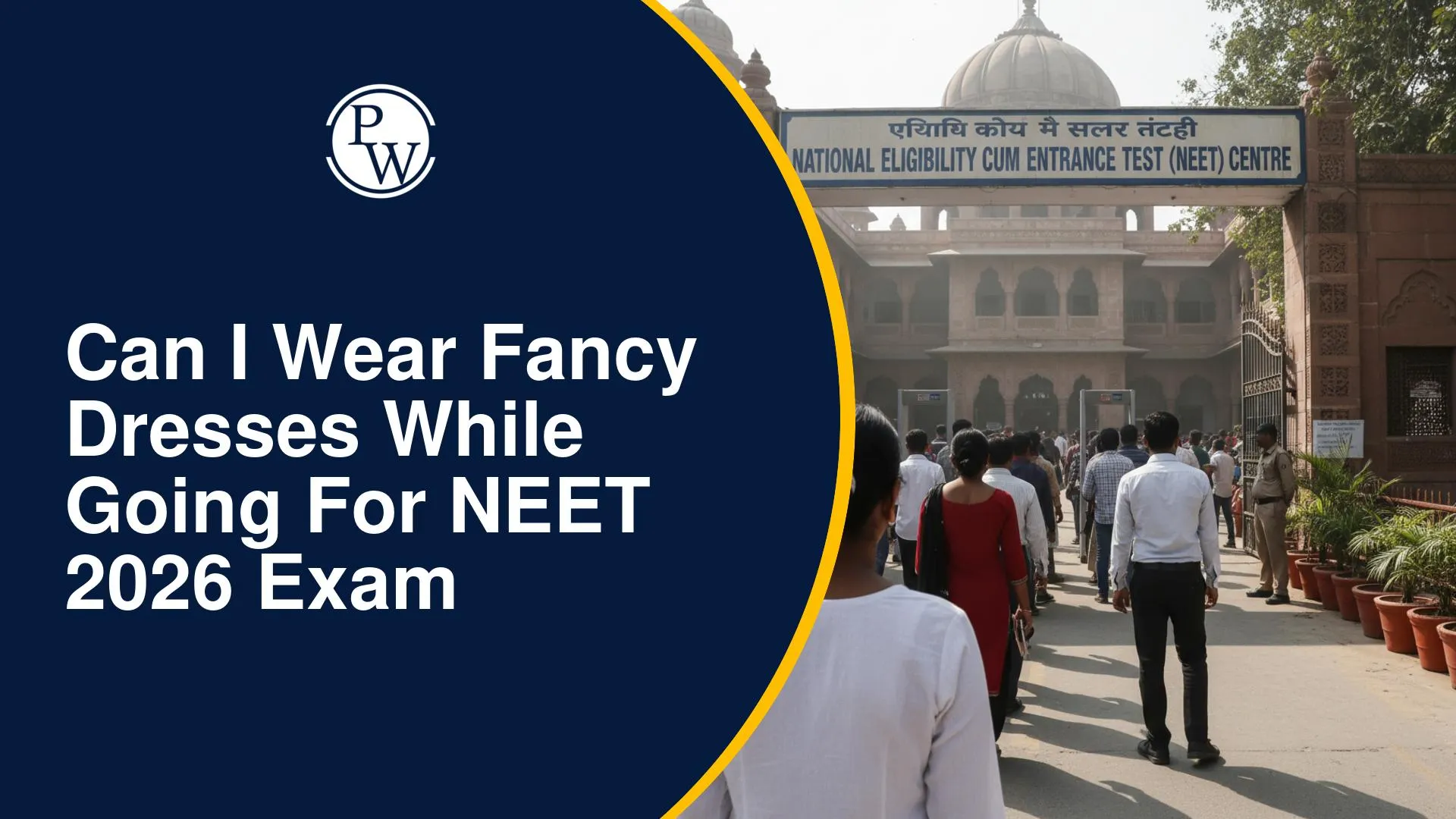
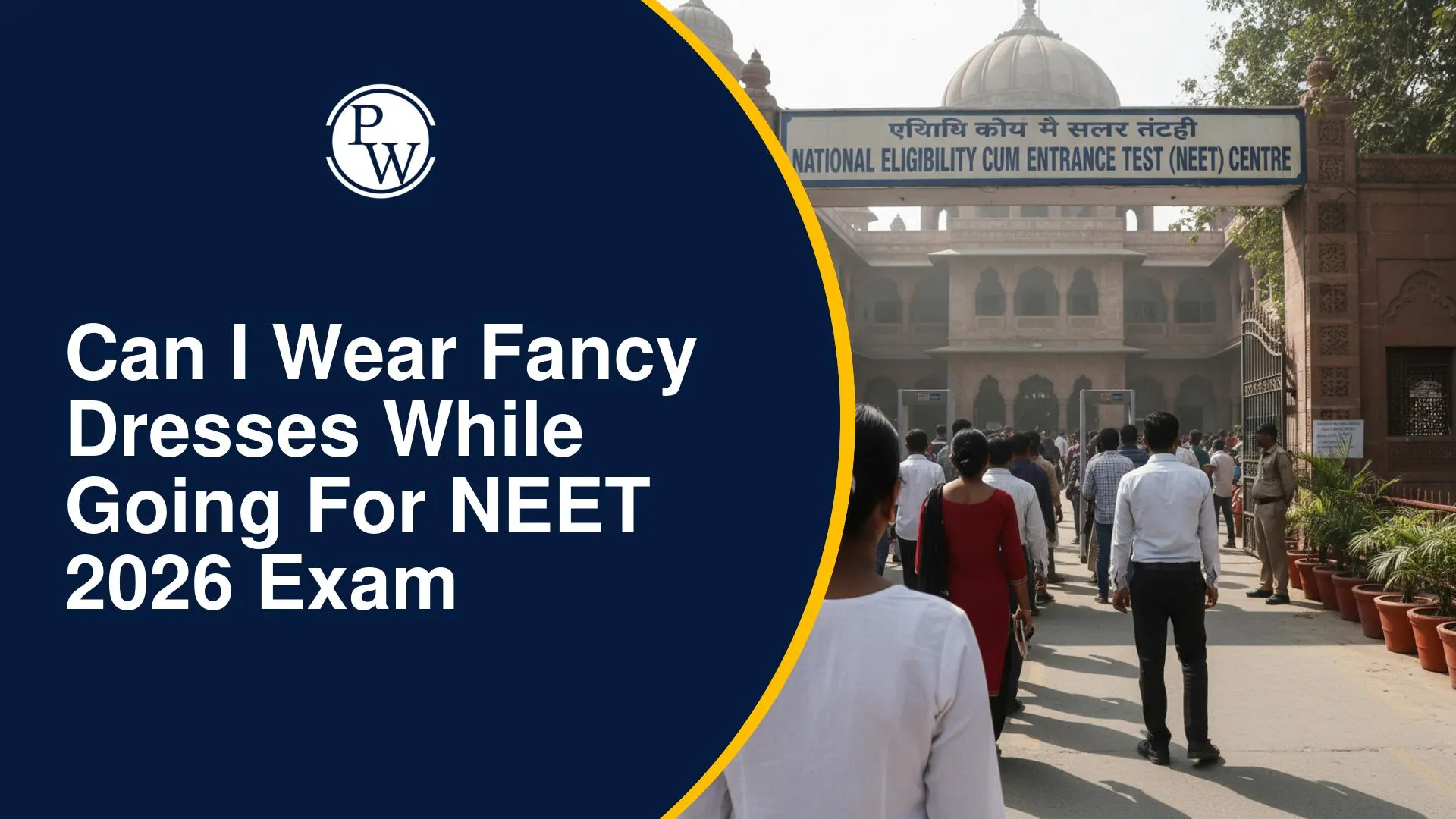
As the National Eligibility cum Entrance Test (NEET) UG 2026 approaches, scheduled to be held on 3 May 2026, aspirants are busy perfecting their diagrams and formulas. However, one crucial detail often overlooked until the last minute is the NTA Dress Code along with mandatory identity verification using Aadhaar and other valid ID proofs. If you are wondering whether you can wear your favorite fancy outfit or a stylish jacket to the exam hall, the short answer is no.
The National Testing Agency (NTA) maintains a very strict protocol to prevent unfair practices and ensure accurate candidate identification through Aadhaar-based verification systems. To help you avoid any last-minute panic at the center, here is a comprehensive guide to what you should (and shouldn’t) wear.
1. The Strict "No" to Fancy and Heavy Clothing
The NTA specifically instructs candidates that heavy clothes and long sleeves are not preferable. Fancy dresses often come with large buttons, embroidery, frills, or multiple pockets—all of which are red flags for security. Such attire can trigger metal detectors or be used to conceal prohibited items, leading to extensive frisking that could delay your entry and even create issues during Aadhaar-based identity checks.
2. NEET 2026 Dress Code for Female Candidates
For female aspirants, simplicity is key. The goal is to move through security quickly without compromising the sanctity of the exam and ensuring smooth biometric/Aadhaar verification.
- What to Wear: Light-colored, half-sleeved T-shirts, shirts, or simple kurtis. Pair them with simple trousers or salwars.
- What to Avoid: High heels, thick-soled shoes, and boots are strictly prohibited. Fancy jewelry like earrings, nose pins, necklaces, pendants, and even metallic hair clips must be removed before entering as they may interfere with frisking and biometric verification.
- Safety & Privacy: NTA ensures that female candidates are frisked by female staff inside a closed enclosure, maintaining both sensitivity and security.
3. NEET 2026 Dress Code for Male Candidates
Male candidates must also follow a "minimalist" approach to their wardrobe on May 3, 2026.
- Permitted Attire: Half-sleeved shirts or T-shirts and simple trousers.
- Prohibited Items: Long sleeves are a strict no-go. Avoid clothes with big buttons, zips, or elaborate designs. Footwear should be limited to slippers or low-heeled sandals; covered shoes are not allowed as they may slow down frisking and identity verification procedures.
4. Special Provisions: Customary and Medical Requirements
The NTA respects cultural and medical needs but with specific conditions:
- Customary Dress: If your religion or culture requires specific attire (like a Hijab or Kirpan), you must report to the examination center at least one hour before the last reporting time (i.e., by 12:30 PM). This allows ample time for proper frisking and Aadhaar-based identity verification without delays.
- Medical Deviations: If you need to deviate from the dress code due to unavoidable medical circumstances, you must obtain specific approval from the NTA before yourNEET Admit Card i is issued.
5. Extensive Frisking and Verification
Every candidate will undergo compulsory frisking using highly sensitive metal detectors. Additionally, identity verification may include:
- Aadhaar-based biometric authentication (fingerprint/iris scan)
- Biometric data collection
- Face Authentication
- Mandatory Videography
Candidates are strongly advised to carry their Aadhaar card or a valid government-issued ID proof matching the details on the admit card for smooth entry.
Following these instructions strictly is not just about rules; it helps the NTA conduct a fair and transparent examination for millions of students.
Can I Wear Fancy Dresses While Going for NEET 2026 Exam? FAQs
Can I wear jeans to the NEET 2026 exam?
Are digital or analog watches allowed?
What footwear is safest for NEET 2026?
Can I wear a face mask from home?