Chemistry d- and f-Block Elements Syllabus 2026

The d- and f-block elements occupy an important position in inorganic chemistry because of their variable oxidation states, coloured compounds, magnetic properties, and industrial applications. Unlike s- and p-block elements, transition and inner transition elements show more complex chemical behaviour due to the involvement of d and f orbitals in bonding and electron distribution.
This unit explains the general characteristics of transition metals, trends across the first transition series, and the properties of lanthanoids and actinoids. It also covers important compounds such as potassium dichromate and potassium permanganate, which are widely studied for their oxidizing properties and chemical reactions.
d- and f-Block Elements Overview
This unit explains the properties and behaviour of transition and inner transition elements, including their electronic configuration, oxidation states, magnetic nature, coloured compounds, and catalytic activity.
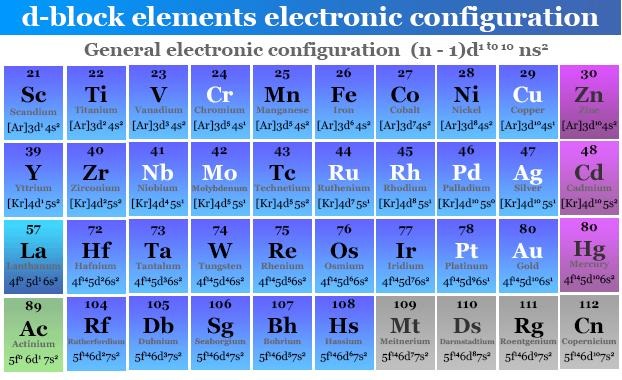
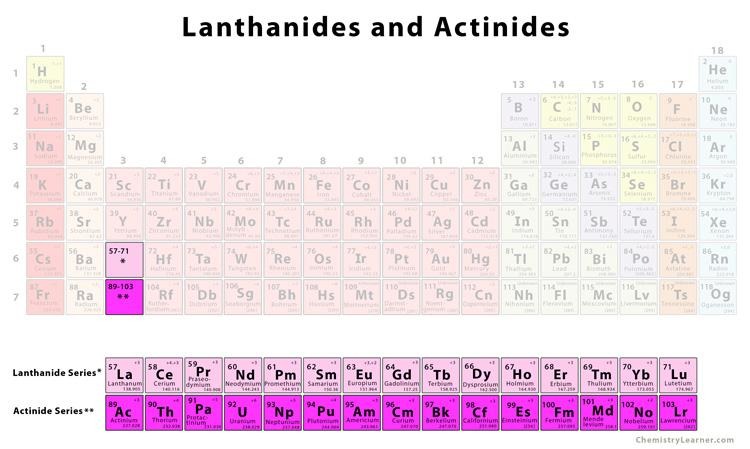
This unit includes electronic configuration, oxidation states, atomic radii, magnetic properties, coloured ions, catalytic behaviour, and complex formation in transition elements. The syllabus also explains:
-
First-row transition element trends
-
Interstitial compounds and alloys
-
Preparation and properties of KMnO₄
-
Preparation and uses of K₂Cr₂O₇
-
Lanthanoid contraction
-
Electronic configuration of actinoids
The chapter mainly focuses on understanding trends and characteristic behaviour shown by d- and f-block elements.
Transition Elements and Their Characteristics
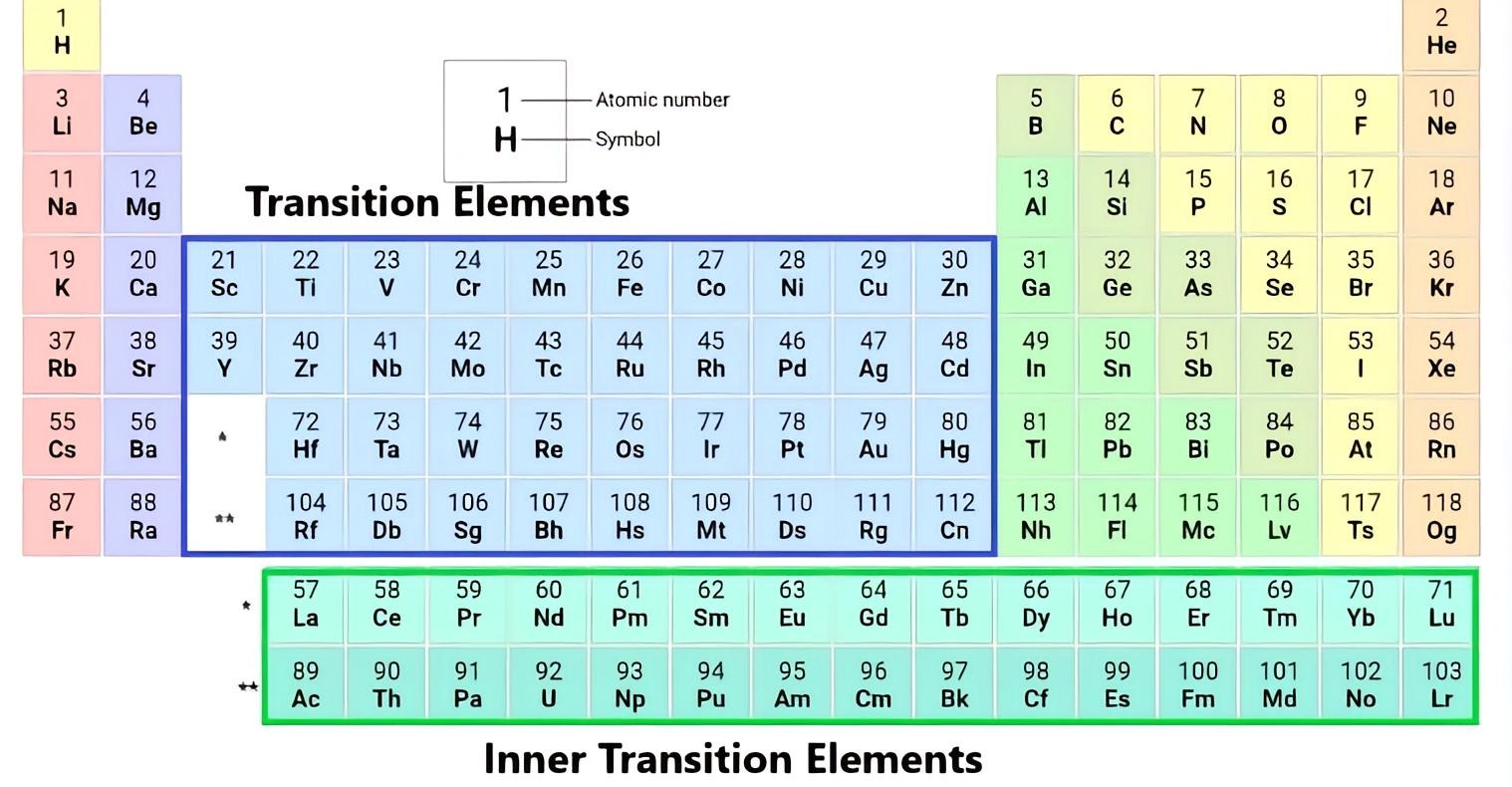
Transition elements NEET is an important topic. These are elements in which the d-orbitals are partially filled in their atoms or common oxidation states. These elements show several unique properties because of the presence of unpaired electrons.
Important characteristics include:
-
Variable oxidation states
-
Formation of coloured compounds
-
Magnetic behavior
-
Catalytic activity
-
Complex compound formation
The first-row transition elements also show gradual changes in atomic radii, ionization enthalpy, and reactivity across the period.
Many transition metals act as catalysts because they can easily change oxidation states during reactions.
Oxidation States, Complex Formation and Alloys
One of the most important properties of transition elements is their ability to exhibit multiple oxidation states. This happens because electrons from both ns and (n−1)d orbitals can participate in bonding.
Transition metals also form:
-
Complex compounds with ligands
-
Interstitial compounds with small atoms
-
Alloys with other metals
Complex formation is responsible for many characteristic colours and chemical behaviours of transition metal ions.
The unit also explains how metallic bonding contributes to hardness, conductivity, and alloy formation in transition elements.
Potassium Dichromate and Potassium Permanganate
Potassium dichromate (K₂Cr₂O₇) and potassium permanganate (KMnO₄) are important oxidizing agents included in the syllabus. You should study:
-
Preparation methods
-
Chemical properties
-
Oxidizing reactions
-
Industrial and laboratory uses
KMnO₄ is widely used in redox reactions and analytical chemistry, while K₂Cr₂O₇ is commonly used in oxidation processes and laboratory experiments.
Understanding colour changes and oxidation behavior is important while studying these compounds.
Inner Transition Elements: Lanthanoids and Actinoids
The f-block elements are called inner transition elements because electrons are progressively filled in f-orbitals.
Lanthanoids
Lanthanoids mainly show +3 oxidation state and exhibit a gradual decrease in atomic and ionic size known as lanthanoid contraction. Lanthanoid contraction affects:
-
Atomic radii
-
Basic strength
-
Chemical similarity among elements
Actinoids
Actinoids show wider variation in oxidation states because of smaller energy differences between 5f, 6d, and 7s orbitals.
Many actinoids are radioactive and possess complex electronic configurations.
d- and f-Block Elements: Study Resources By PW
Physics Wallah provides study material to improve conceptual clarity and reaction-based revision for d- and f-block chemistry.
|
Resource |
Access |
|
d- and f-Block Elements PYQs |
TBR |
|
d- and f-Block Elements MCQs |
TBR |
|
d- and f-Block Elements Notes |
TBR |
|
d- and f-Block Elements Mind maps |
TBR |
FAQs
What are transition elements?
Why do transition elements show variable oxidation states?
What is lanthanoid contraction?
Why are transition metal compounds coloured?


Have questions about your prep?
Our experts can answer all your questions