







How Online NEET Paper Leak Scam Works: NTA DG Explains Fraud Playbook

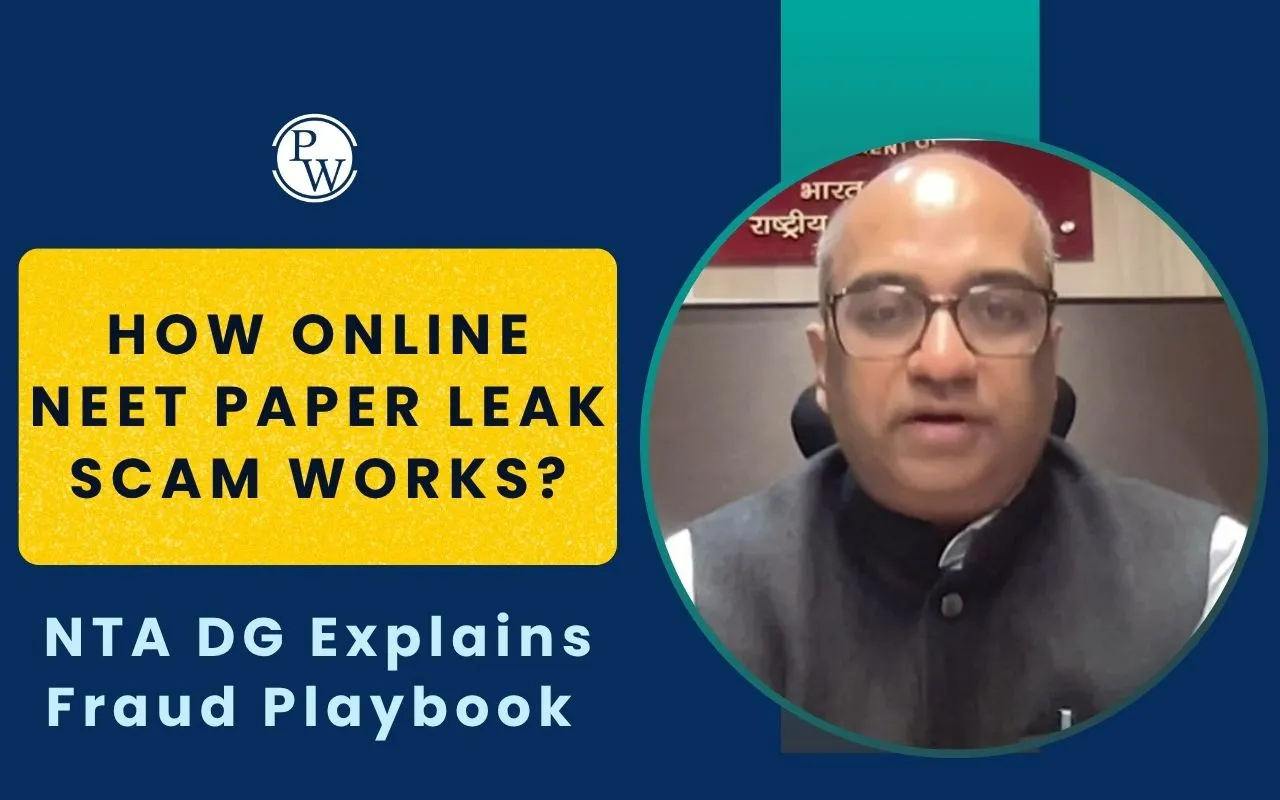
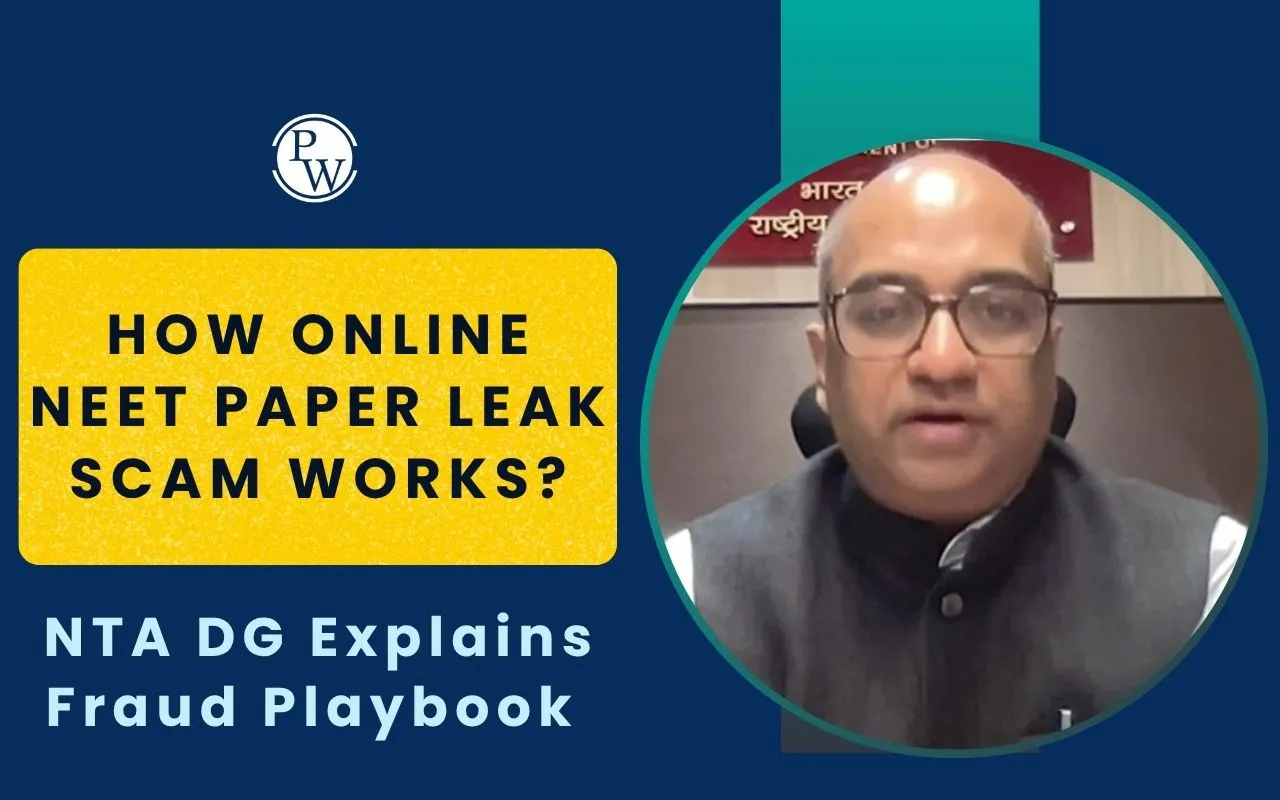
As authorities crack down on fake NEET paper leak claims ahead of the NEET UG 2026 re-examination, National Testing Agency (NTA) Director General Abhishek Singh has provided a detailed explanation of how these scams allegedly operate and why students should avoid falling for them.
According to Singh, the fraud follows a predictable pattern: target anxious students, offer fake papers at attractive prices, show fabricated proof, collect money, and disappear.
Here's a step-by-step breakdown of how the scam allegedly works.
Step 1: Target Students During Their Most Stressful Moments
According to the NTA chief, scammers primarily target students who are anxious about the examination, particularly those who have already faced uncertainty following the cancellation of the May 3 NEET exam and the announcement of a re-test.
Students worried about their future may become more vulnerable to promises of guaranteed success through leaked question papers.
Step 2: Offer 'Leaked Papers' at Attractive Prices
Singh said many Telegram channels advertise alleged access to NEET question papers for amounts ranging from a few thousand rupees to several lakh rupees.
"They price it as very low from few thousands to few lakh rupees."
The pricing strategy is designed to make the offer appear tempting. A relatively small payment may seem worthwhile to a student who believes it could provide access to the actual examination paper.
According to the NTA, some groups demand UPI payments, while others ask for cryptocurrency transfers.
Step 3: Create Fake Proof to Gain Trust
One of the most convincing parts of the scam, according to Singh, is the use of screenshots and videos that appear to show question papers being shared before the examination date.
These posts are often circulated as evidence that a Telegram channel has genuine access to confidential examination material.
However, Singh alleged that the proof itself is fabricated.
"Telegram has a vulnerability in which it allows the admins of a Telegram channel to edit a chat in the past date."
According to the NTA, channel administrators can upload a file before the examination and later replace it with the actual question paper after the exam has already taken place. Since the original timestamp remains unchanged, it creates the impression that the paper was shared earlier.
"When they do that the time stamp remains the same."
As a result, students viewing the post may mistakenly believe the channel possessed the paper before the examination.
Step 4: Promise Refunds to Remove Doubts
To make the offer appear legitimate, some groups allegedly assure students that their money will be returned if the paper does not match the actual examination.
Singh said these refund promises are often used to gain the trust of candidates who might otherwise hesitate to make a payment.
The assurance creates an illusion of safety, encouraging students to proceed with the transaction.
Step 5: Collect Money and Disappear
According to Singh, the scam reaches its final stage once the payment is made.
"The moment you get, in your moment of vulnerability, you transfer any money to them, they vanish."
The NTA chief said students are left without any genuine question paper and have little chance of recovering the money they transferred.
Authorities have also reported instances where groups disappeared immediately after receiving payments from candidates.
Step 6: Reuse Fake Evidence to Attract More Victims
Singh said the fraud does not end with a single examination cycle.
According to him, scammers often reuse fabricated screenshots, videos, and supposed proof of previous paper leaks to convince future batches of students that they have a reliable source.
"They use this evidence for other examinations to convince this year's students that they have a real source and to recruit next year's candidates."
The same fake evidence can therefore be recycled repeatedly to attract new victims.
NTA Says Actual Question Papers Remain Secure
Throughout his address, Singh maintained that the actual NEET question papers remain fully protected and inaccessible outside the official system.
"None of them have access to the actual question papers, which are completely safe, completely secure."
He also emphasized that the examination papers are protected through extensive security arrangements and a tightly controlled chain of custody.
What Students Should Do
The NTA has urged candidates not to pay money to anyone claiming to sell NEET question papers and to avoid relying on social media rumors.
Students who come across suspicious posts or paper leak claims can report them through the MyGov portal launched by the government.
With the re-examination approaching, the agency's message remains straightforward: focus on preparation, avoid shortcuts, and stay away from individuals or channels claiming to have access to confidential examination materials.
NEET Paper Leak Scam FAQs
How do fake NEET paper leak scams allegedly begin?
How much money do these groups charge for alleged question papers?
How do scammers convince students that they have genuine papers?









Get Free Counselling Today
and Clear up all your Doubts
 Live & recorded classes available at easeDashboard for progress trackingLakhs of practice questions

