Biology Locomotion and Movement Diagrams for NEET by Physics Wallah

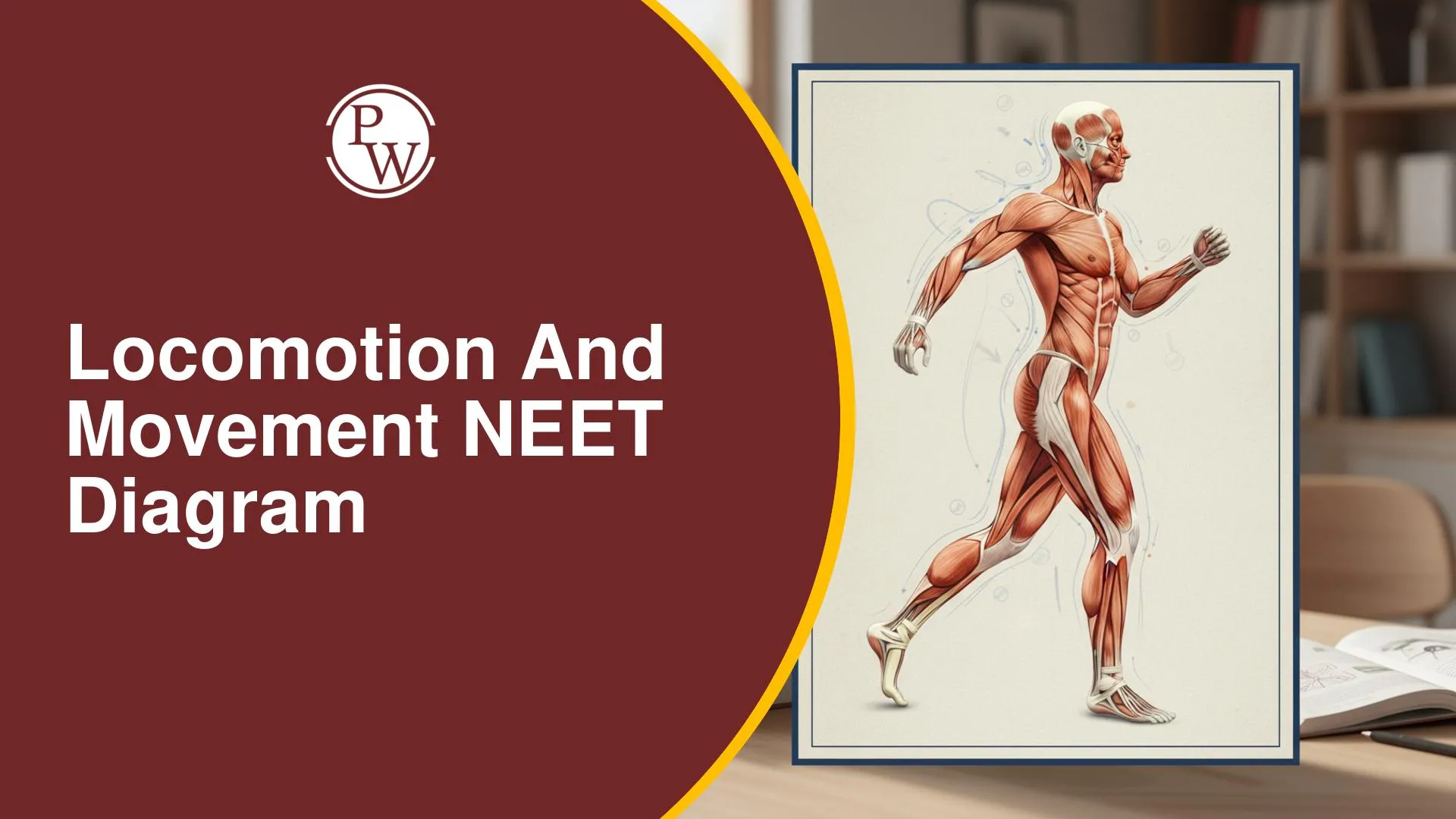
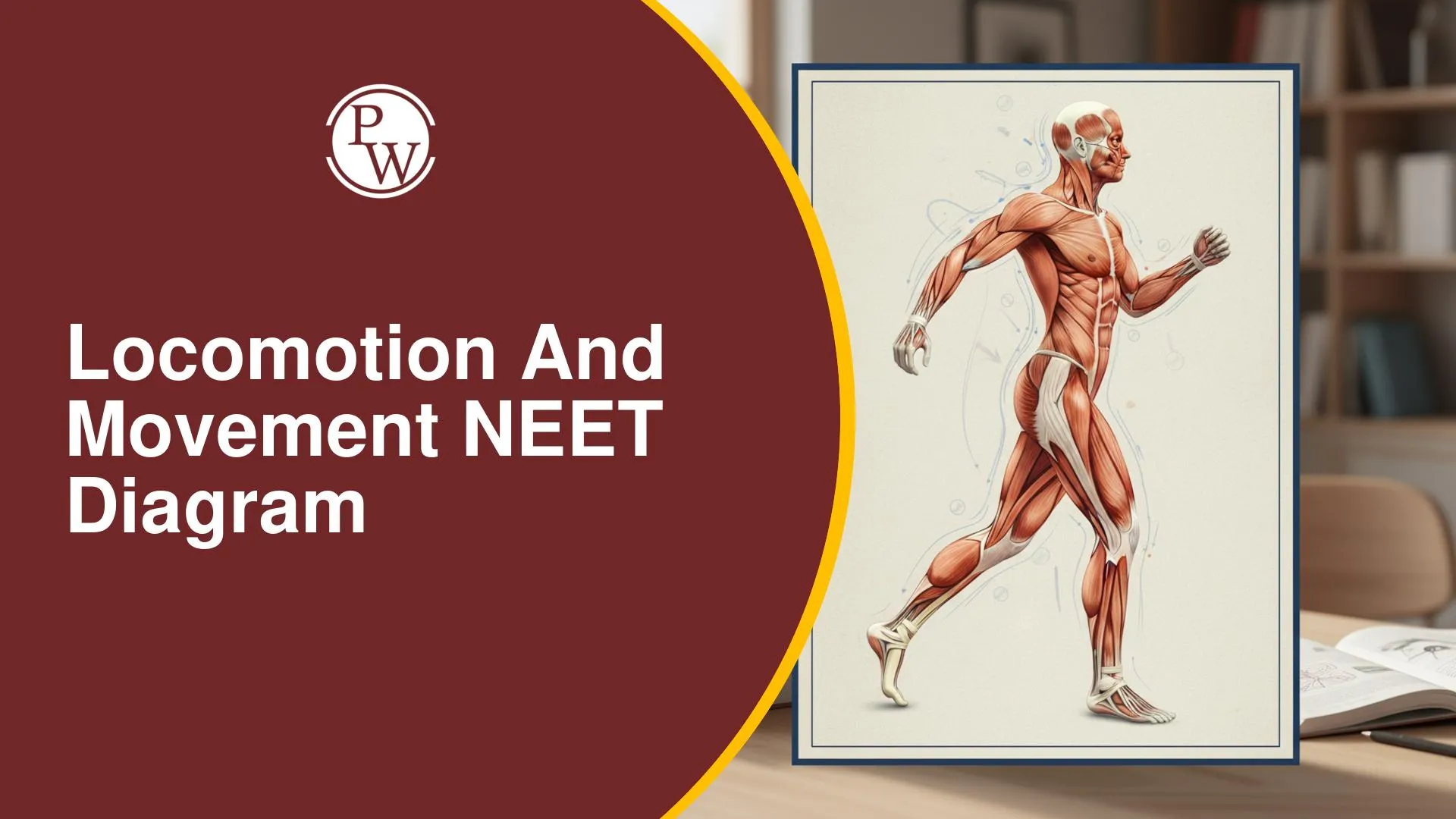
Locomotion and Movement is a chapter where simply memorising names is not enough. You need to understand how muscles contract, how joints allow movement and how different parts of the skeletal system work together. These concepts are easier to grasp when you can see them rather than imagine them from written explanations.
The Locomotion and Movement NEET diagram PDF by Physics Wallah brings together the important diagrams from the chapter in one place. With clear illustrations and labels, you can identify key structures, understand biological processes and revise the chapter more efficiently before your NEET exam.
Locomotion and Movement NEET Diagram PDF
A good understanding of this chapter starts with recognising the important structures involved in movement. This PW PDF includes chapter-focused diagrams that help you revise important concepts without searching through multiple resources.
|
Locomotion and Movement NEET Diagram |
Download PDF |
Why Are PW Locomotion and Movement Diagrams Helpful for NEET?
Several topics in this chapter involve body structures and physiological mechanisms that are easier to understand through visual learning. These diagrams help you connect anatomical features with their functions, making revision more meaningful and helping you retain important concepts for NEET.
-
Learn the Human Skeleton More Effectively
The labelled diagrams help you identify the bones of the axial and appendicular skeleton. They also make it easier to understand how different bones provide support, protection and movement.
-
Understand Muscle Contraction Step by Step
The sliding filament theory includes several stages that can be confusing during revision. The diagrams explain the arrangement of actin and myosin filaments and show how muscle contraction takes place in a clear sequence.
-
Compare Different Types of Joints with Ease
The PW NEET diagram PDF includes diagrams of fibrous, cartilaginous and synovial joints. Studying these illustrations helps you understand their structure, movement and examples without relying only on definitions.
-
Revise Locomotor Disorders with Better Clarity
Important disorders such as arthritis, osteoporosis, gout and myasthenia gravis are explained through diagrams that highlight the affected structures. This makes it easier to understand their causes and features.
-
Improve Your Diagram-Based Preparation
Labelled diagrams help you recognise important structures quickly and strengthen your understanding of movement-related concepts. Regular visual revision also improves your confidence when solving NEET questions based on anatomy and physiology.
Locomotion and movement are easier to revise when you can clearly see how the skeletal and muscular systems work together. Using diagrams helps you understand important structures, follow biological processes and strengthen your concepts for the NEET exam.
Also check:
Locomotion and Movement NEET Diagram FAQs
1. Which diagrams are most important from Locomotion and Movement for NEET?
2. Does the Locomotion and Movement NEET Diagram PDF include important NCERT diagrams?
3. How do labelled diagrams improve your understanding of this chapter?


Have questions about your prep?
Our experts can answer all your questions





 Live & recorded classes available at easeDashboard for progress trackingMillions of practice questions at your fingertips