








NEET Important Biology Diagrams 2026: Botany and Zoology Diagrams
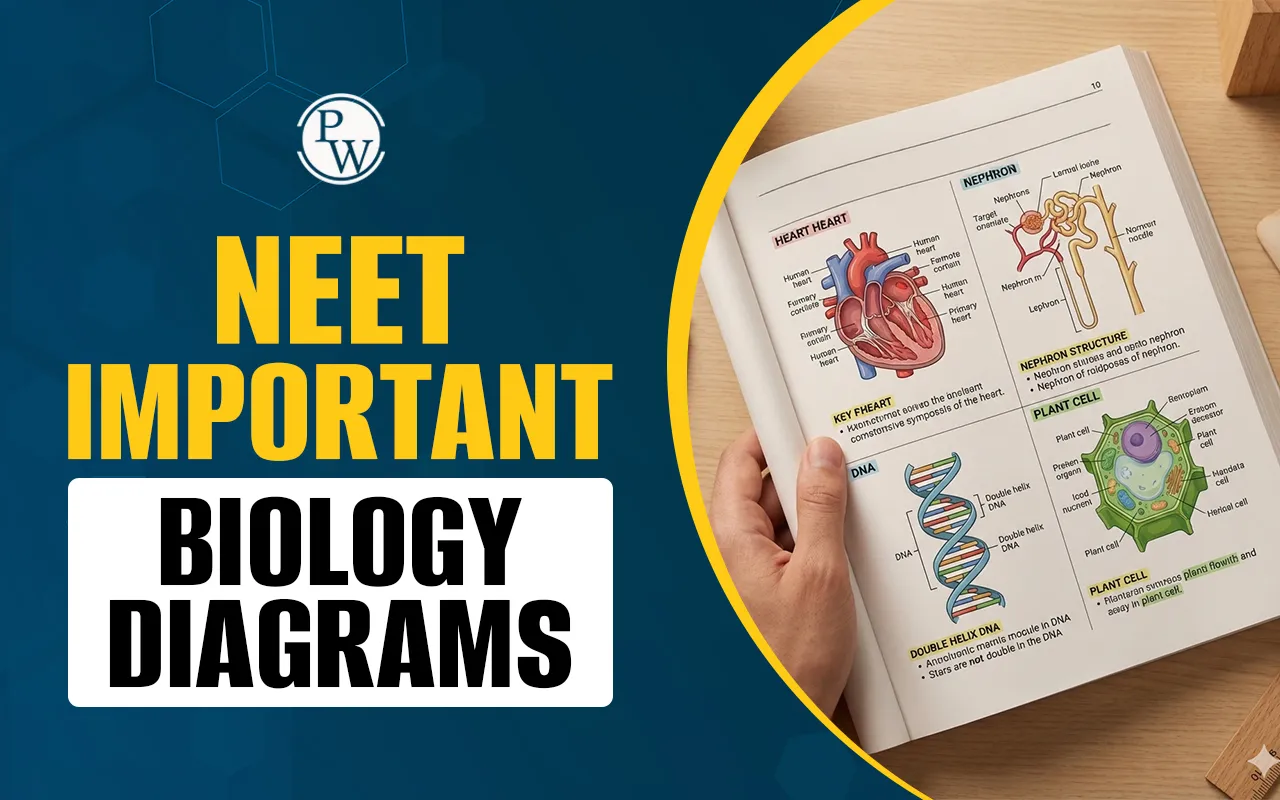
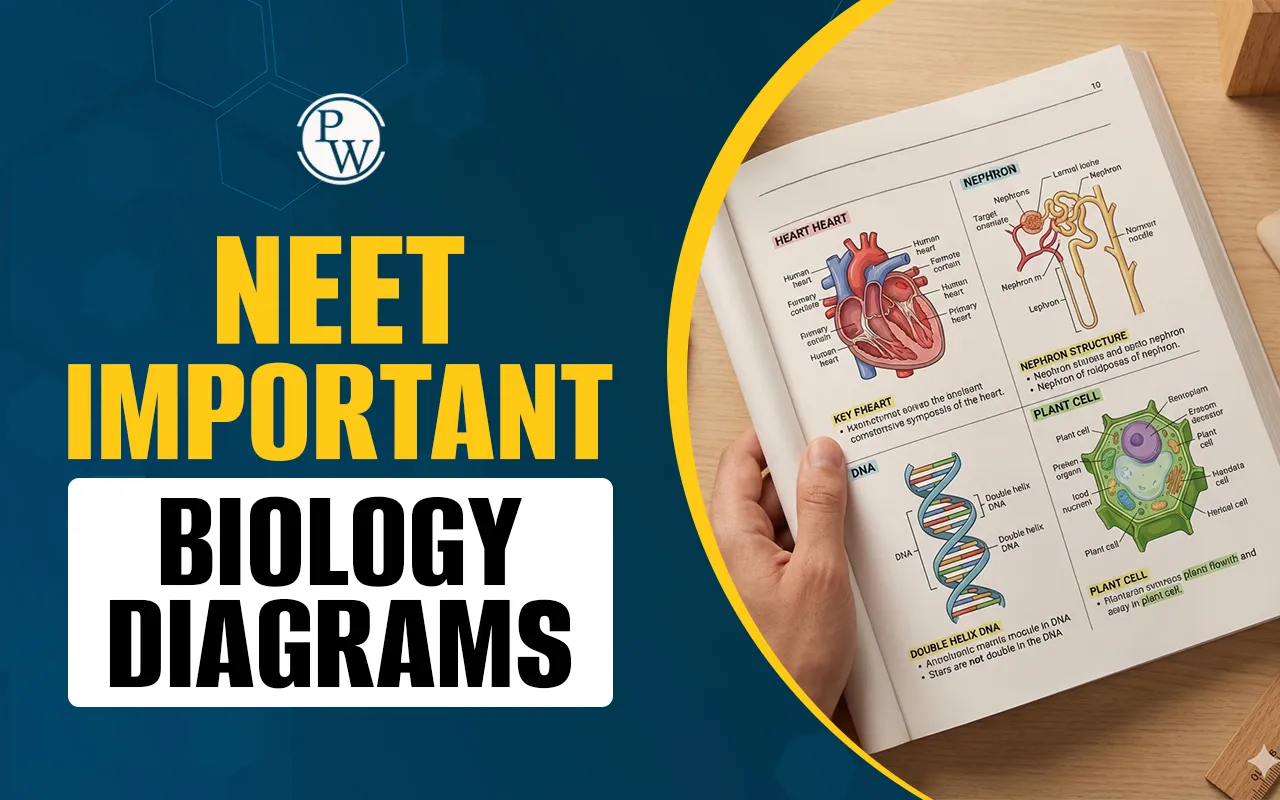
NEET Important Biology Diagrams 2026: With the Re-NEET UG 2026 examination scheduled for 21 June 2026, revising important Biology diagrams from NCERT has become crucial for candidates appearing in the re-exam. Diagram-based questions are often scoring and can help improve accuracy with quick visual recall during the examination.
Focus on frequently asked diagrams such as the human heart, nephron structure, DNA double helix, stages of cell division, and plant anatomy. A last-minute revision of these key Botany and Zoology diagrams can strengthen conceptual understanding and help answer image-based questions with greater confidence.
NEET Important Biology Diagrams 2026
A comprehensive understanding of the NEET Biology Important Diagrams of NCERT is essential for both Class 11 and 12 students. These diagrams provide a visual map of the biological processes described in the text. Since the NEET exam often features direct image-based questions from the NCERT, it is important to prepare diagrams thoroughly.
NEET Biology Important Diagrams For Class 11 Botany
Botany carries substantial weight in the medical entrance exam, making NEET Biology Important Diagrams For Class 11 Botany a priority for early-stage preparation. Visualizing plant systems helps simplify intricate biological mechanisms.
Below are the Important Diagrams For Class 12 Botany:
-
Morphology and Anatomy: Diagrams showing modifications of stems and different types of leaf venation.

The diagram shows the different parts of a flower:

-
Cell Biology: Detailed structures of the nucleus and semi-autonomous organelles like chloroplasts and mitochondria.
|
|
|


-
Cell Division: Visual representations of Mitosis (equational division) and the various stages of Meiosis.

-
Plant Kingdom: Structural diagrams of different algae, bryophytes, and pteridophytes.
Important Diagrams For Class 11 Zoology for NEET 2026
Zoology in the first year of senior secondary school focuses heavily on human physiology and animal diversity. For those aiming for a top rank, focusing on Important Diagrams For Class 11 Zoology for NEET 2026 is non-negotiable.
Important Diagrams For Class 12 Zoology:
-
Human Skeletal System: Understanding the types of bones and joints, such as the ball-and-socket joint.

-
Circulatory System: The detailed, labeled structure of the human heart.

-
Endocrine System: The location and structure of major endocrine glands and their hormone-secreting regions.

-
Digestive and Excretory Systems: The anatomy of the digestive tract and the functioning of the nephron.

Why Are Biology Diagrams Important for NEET?
Biology is one of the most scoring subjects in NEET, and diagrams play a crucial role in mastering it. A significant number of NEET questions are either directly based on NCERT diagrams or require strong visual understanding of biological processes. For aspirants targeting NEET 2026, thorough practice of NEET Important Biology Diagrams 2026 is important:
-
Visual information is easier to remember than text. Diagrams help students recall complex structures and processes quickly during the exam.
-
Diagrams clearly explain biological mechanisms, helping students understand how systems function rather than memorizing facts blindly.
-
NEET often includes questions that are exact or slightly modified versions of NCERT diagrams. Knowing labels can fetch easy and guaranteed marks.
-
A well-learned diagram allows faster interpretation of questions, saving valuable time in a highly competitive exam.
-
Clear visualization reduces confusion between similar concepts (e.g., plant tissues, heart chambers), leading to fewer mistakes.
NEET Important Biology Diagrams 2026 FAQs
Are diagrams from outside NCERT important for NEET 2026?
Which is more important: Botany or Zoology diagrams?
Are NCERT biology diagrams enough for NEET preparation?
Which Class 12 Botany diagrams are most important for NEET?


Have questions about your prep?
Our experts can answer all your questions




 Live & recorded classes available at easeDashboard for progress trackingLakhs of practice questions

