






NEET UG 2026 Aadhaar-Based eKYC Guide, Complete Details Here
NEET UG 2026 makes Aadhaar-based eKYC mandatory to verify candidate identity and prevent impersonation. Aadhaar details and photographs will be matched with UIDAI records. Candidates who fail Aadhaar verification must submit an attested identity certificate as per NTA guidelines.


Share
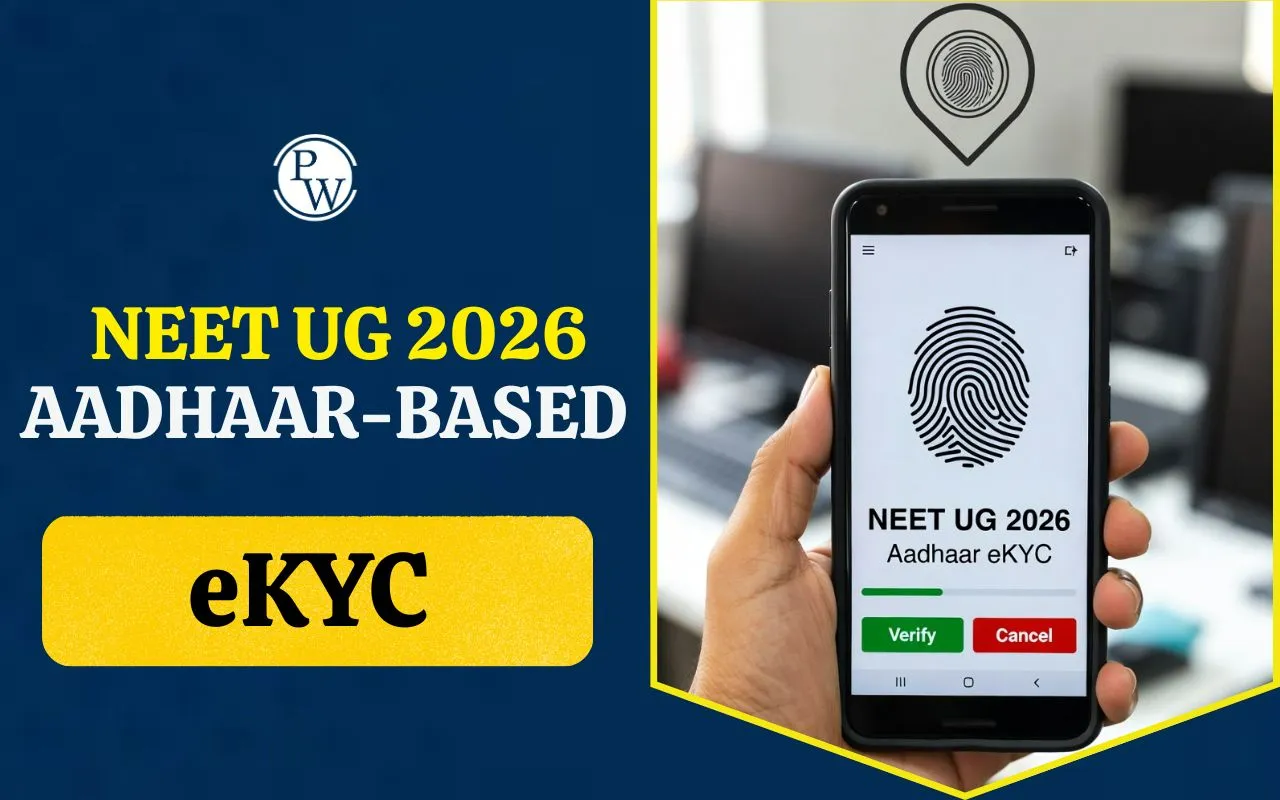
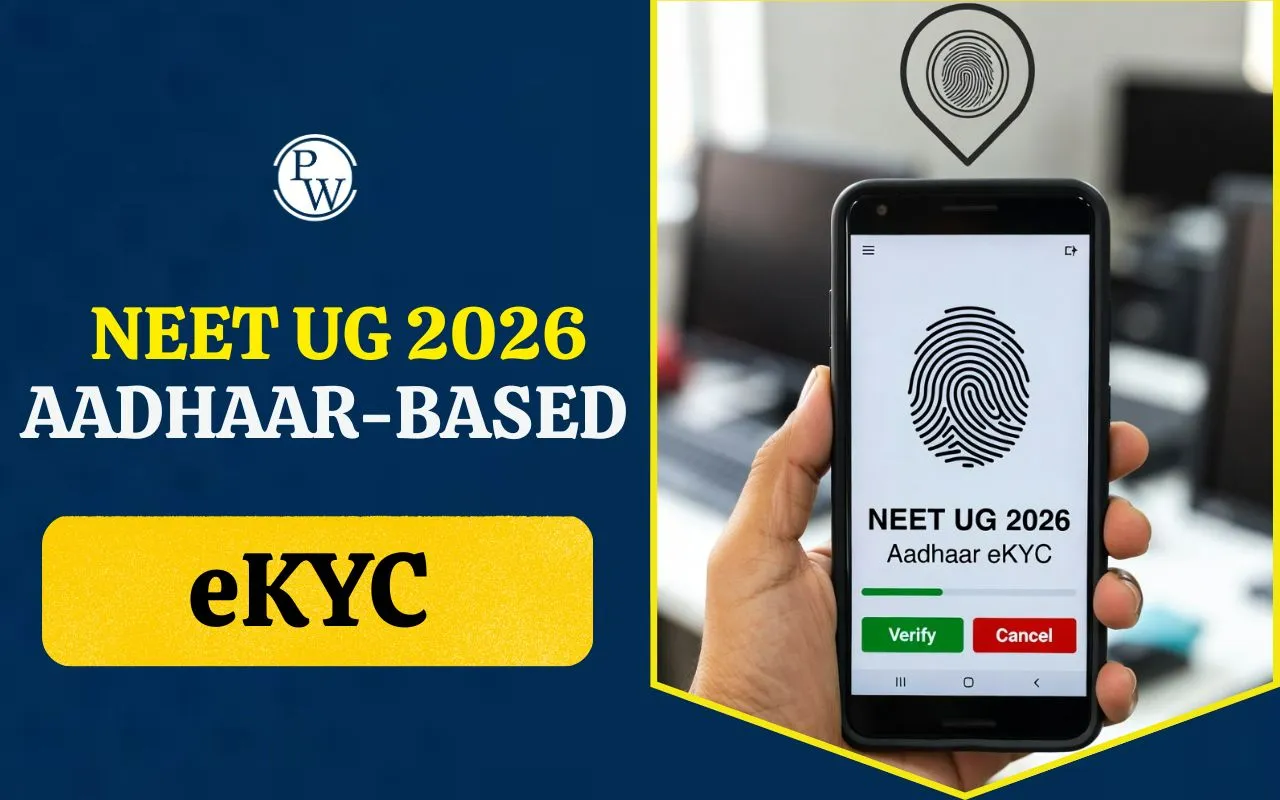
Aadhaar-based eKYC for NEET UG 2026 to strengthen the exam’s identity verification system. This new requirement aims to ensure that only genuine candidates complete the registration process and appear for the examination. Aadhaar authentication helps standardize candidate information across the application form, admit card, and examination stages. By linking candidate data with UIDAI records, NTA seeks to reduce cases of impersonation, duplicate registrations, and identity fraud. All eligible candidates are advised to carefully complete Aadhaar verification during registration to avoid delays or rejection of their NEET UG 2026 application.
Why Aadhaar-Based eKYC Is Introduced in NEET UG 2026
NTA has made Aadhaar-based eKYC mandatory to enhance transparency and security in the NEET UG examination process. Aadhaar verification ensures accurate identification of candidates and eliminates the chances of misuse of personal details. Through eKYC, details such as name, date of birth, gender, and photograph are verified directly from the UIDAI database, minimizing manual errors and ensuring data consistency.
How Aadhaar Verification Works During Registration
During NEET UG 2026 form filling on neet.nta.nic.in, candidates must authenticate their identity using Aadhaar. The system automatically matches the entered details with UIDAI records. If verification is successful, candidates can continue the application smoothly. In case of mismatch, outdated Aadhaar data, or use of a non-Aadhaar verification mode, candidates must upload a signed and attested identity certificate along with a recent certified photograph.
Important Guidelines and Common Mistakes to Avoid
Candidates should ensure that Aadhaar details, especially photographs and date of birth, are updated well in advance. Using incorrect Aadhaar details, unclear images, or another person’s Aadhaar may lead to rejection or disqualification. Aadhaar-based eKYC is a critical step, and mistakes may invalidate the application.