








Chemistry Purification and Characterisation of Organic Compounds Diagrams for NEET by Physics Wallah

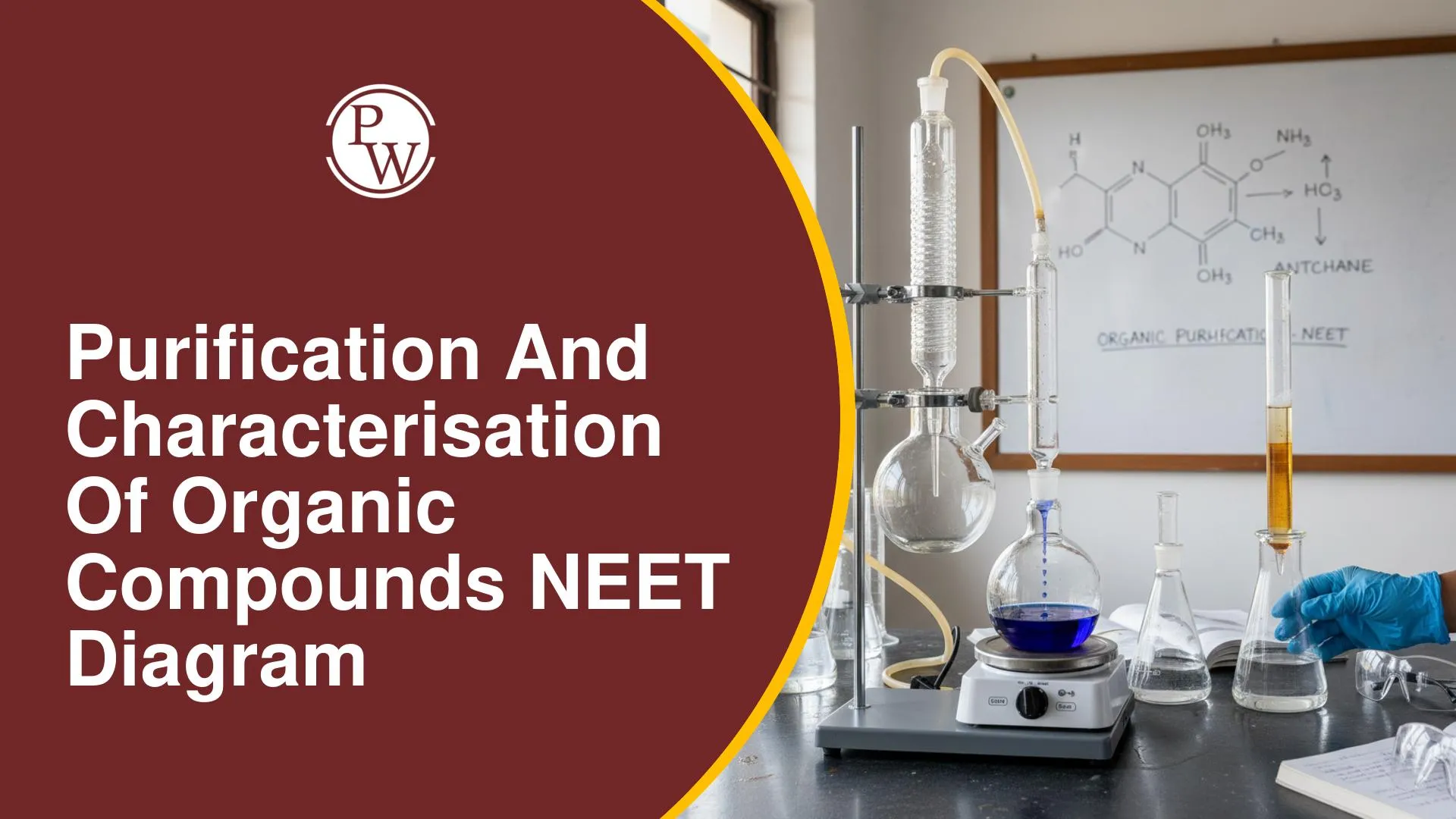
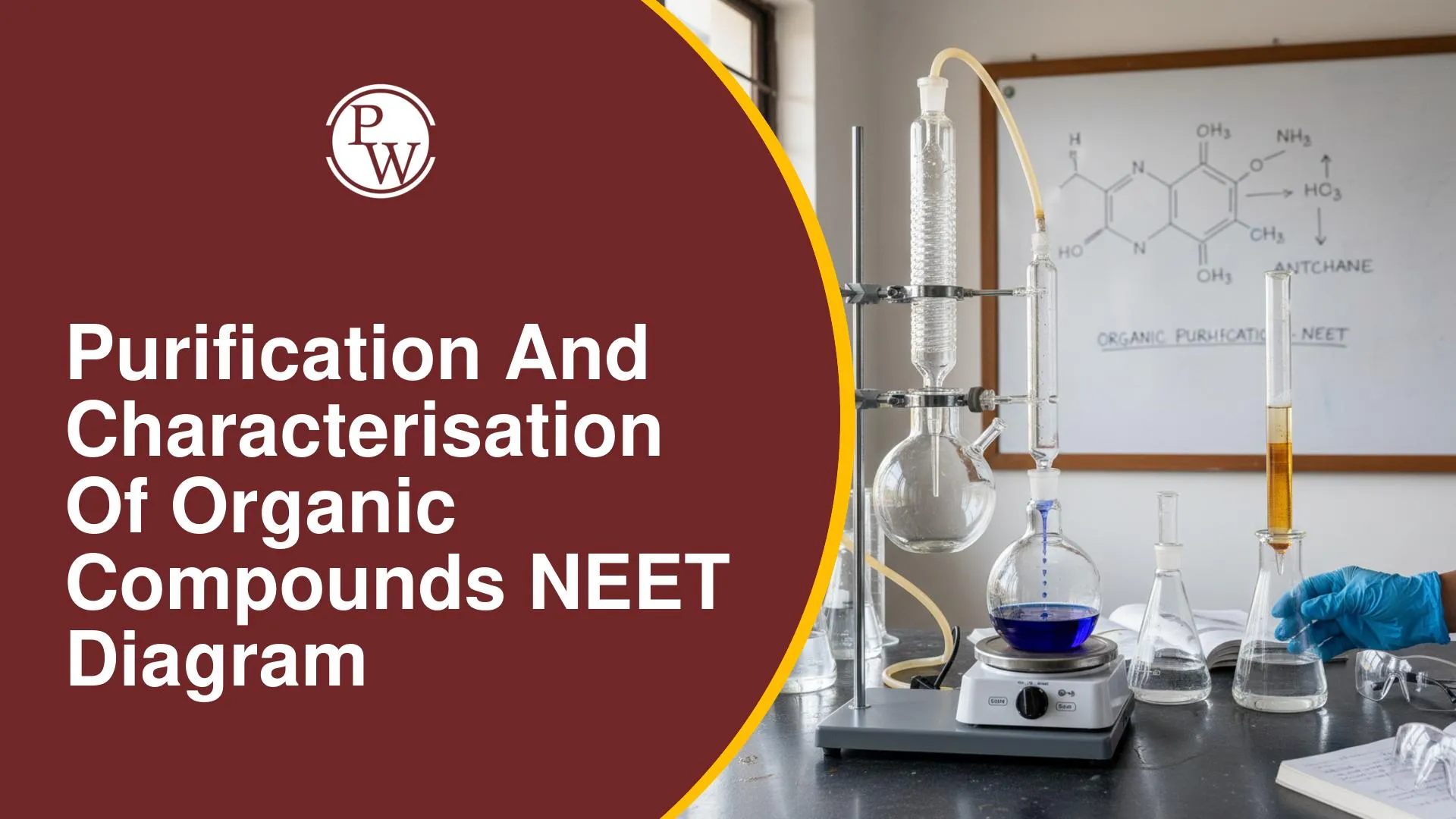
Purification and Characterisation of Organic Compounds includes several laboratory techniques that require conceptual understanding rather than simple memorisation. Many NEET aspirants find it difficult to differentiate between methods such as crystallisation, sublimation, distillation, and chromatography because each technique follows a different principle and application.
Physics Wallah's Purification and Characterisation of Organic Compounds NEET Diagrams PDF helps simplify these concepts through visual explanations. The diagrams make it easier to understand when each purification method is used, how different techniques work, and how purity is determined, making chapter revision more efficient.
Purification and Characterisation of Organic Compounds NEET Diagrams PDF
The Purification and Characterisation of Organic Compounds NEET Diagrams PDF explains important purification techniques and analytical methods through clear visual illustrations. It allows you to understand the principles behind different laboratory methods and revise the chapter quickly before NEET.
|
Purification and Characterisation of Organic Compounds NEET Diagram |
Download PDF |
How PW NEET Diagrams Simplify Purification and Characterisation of Organic Compounds
Purification and Characterisation of Organic Compounds is a practical and concept-based chapter where you need to understand the principle behind each laboratory technique and know when it should be applied. PW NEET Diagrams present these concepts through clear visual explanations, helping you compare methods, remember their applications, and revise the chapter more effectively.
-
Understand Common Purification Techniques
The PW NEET diagrams explain sublimation, crystallisation, distillation, differential extraction, and chromatography thoroughly. This helps you identify the most suitable method for separating or purifying a particular organic compound.
-
Differentiate Between Simple and Fractional Distillation
Many students confuse the applications of simple and fractional distillation. The visual diagrams show their working principles, the role of boiling point differences, and the situations in which each technique is preferred.
-
Revise the Principle of Chromatography
Chromatography is an important separation technique in this chapter. The diagrams help you understand how components move differently and how mixtures can be separated and identified effectively.
-
Remember Crystallisation More Easily
The PW PDF explains how crystallisation helps obtain a pure solid from an impure sample. Visual representation makes it easier to recall the steps involved and the conditions required for successful crystallisation.
-
Learn the Applications of Sublimation
Sublimation is used for substances that change directly from solid to vapour. The diagrams help you understand the process and remember when this technique is useful for purification.
-
Understand Differential Extraction Clearly
The PW NEET diagrams simplify the concept of transferring a compound from one solvent to another based on solubility differences. This helps you connect the technique with its practical laboratory application.
-
Strengthen Concepts Related to Purity Testing
Melting point and boiling point are important indicators of purity. The visual notes explain how these properties are used to determine whether an organic compound is pure or contains impurities.
-
Improve Recall of Laboratory Principles
Instead of memorising isolated facts, you can understand the principle behind each technique through diagrams. This improves conceptual clarity and makes revision more meaningful.
Purification and Characterisation of Organic Compounds focuses on important laboratory techniques that are essential for NEET Chemistry. PW NEET Diagrams PDF helps you revise these concepts visually, making purification methods and analytical techniques easier to understand and remember.
Also check:
Breathing and Exchange of Gases Diagrams for NEET FAQs
Which purification methods are most important for NEET Chemistry?
How do the diagrams help me understand purification techniques?
Does the PDF explain the difference between simple and fractional distillation?
Why are melting point and boiling point important in this chapter?


Have questions about your prep?
Our experts can answer all your questions





 Live & recorded classes available at easeDashboard for progress trackingLakhs of practice questions

