







Re-NEET 2026 Exam Day Guidelines: Important Instructions for June 21 Re-Examination

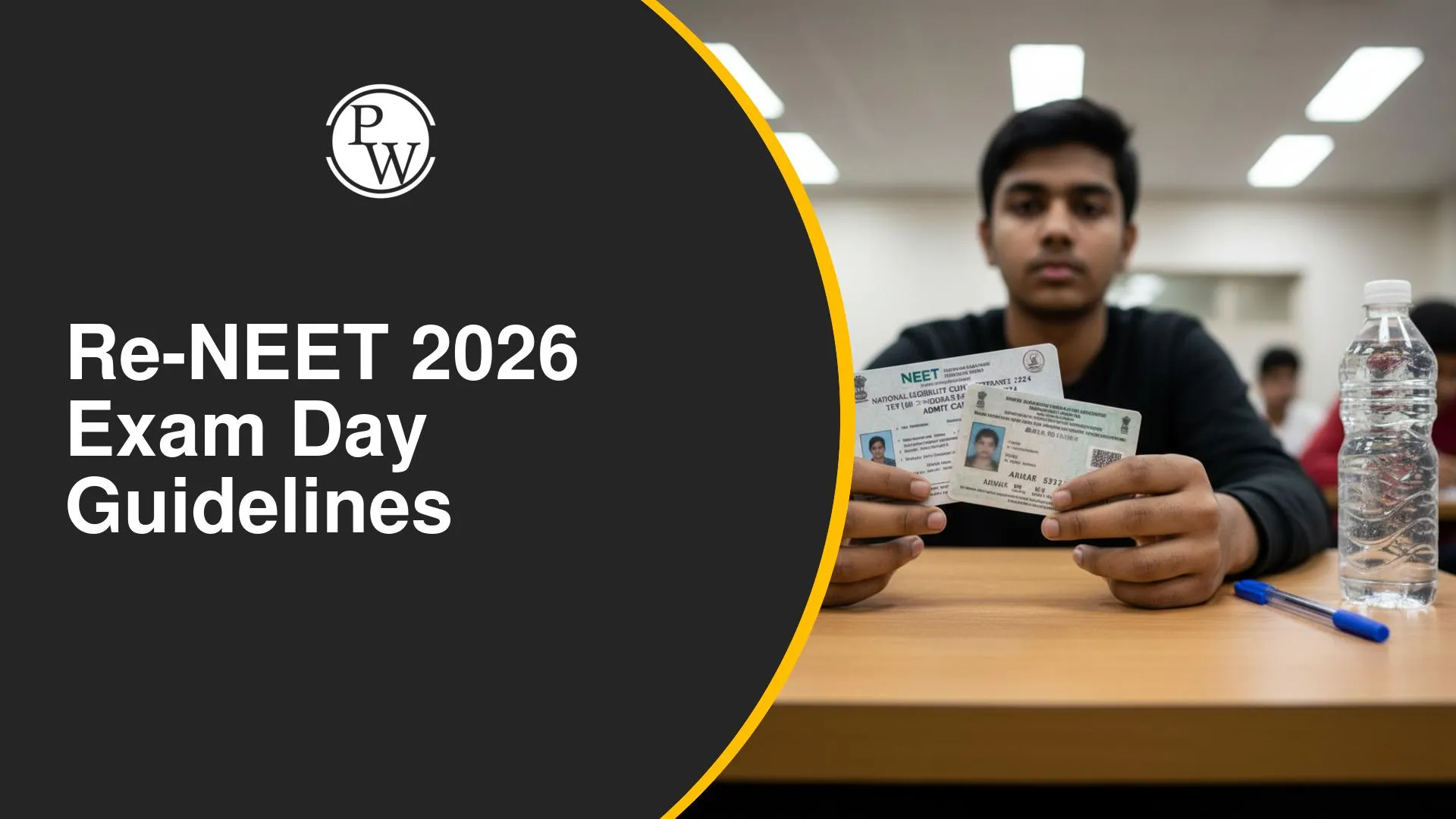
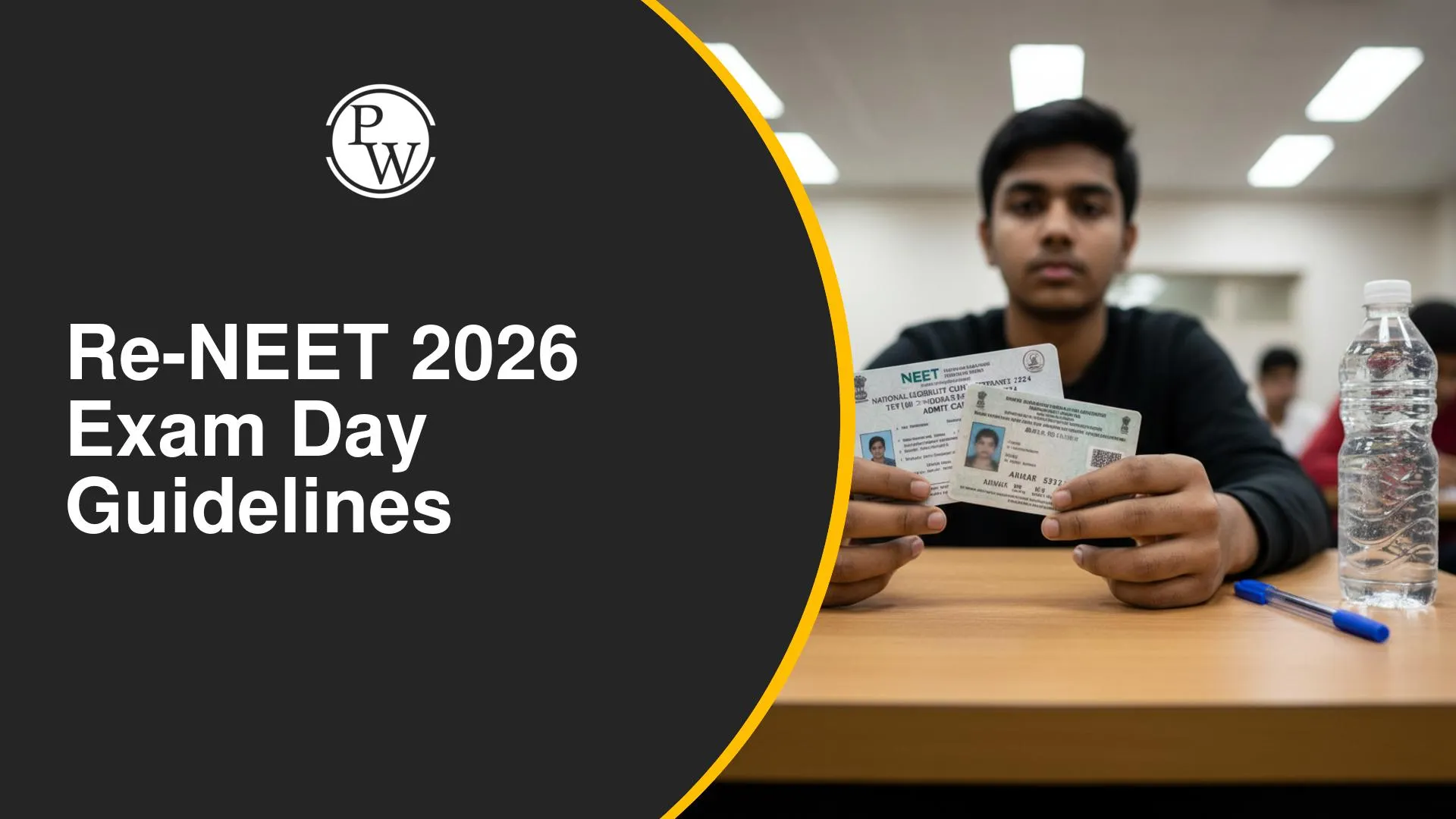
Re-NEET 2026 Exam Day Guidelines:The Re-NEET 2026 examination is scheduled for June 21. All candidates must carefully review and adhere to the Re-NEET 2026 exam day guidelines. It is crucial to follow these instructions, as a fresh admit card is mandatory, and enhanced security measures will be strictly enforced at all examination centres. Understanding these rules ensures a smooth and fair testing experience.
Re-NEET 2026 Paper Live Updates
Re-NEET 2026 Exam Schedule and Reporting Time
Candidates appearing for the Re-NEET 2026 examination should be aware of the key timings and ensure timely arrival at their respective centers. Following the schedule is vital for a hassle-free entry and examination process.
| Re-NEET 2026 Exam Schedule and Reporting Time | |
|---|---|
| Particulars | Details |
| Re-NEET 2026 Exam Date | June 21 |
| Exam Timing | 2:00 PM to 5:15 PM |
| Gate Opening Time | 11:00 AM |
| Last Entry Time | 1:30 PM |
| Why Candidates Should Reach Early | Reporting starts well before the exam; late entry is generally not permitted. |
Re-NEET 2026 Documents Required at Exam Centre
It is mandatory for candidates to carry specific documents to the examination centre. Ensure all necessary items are prepared to avoid any issues during verification.Fresh admit cards issued for the re-exam are mandatory; old hall tickets are not valid.
-
Re-NEET Admit Card,
-
Passport-size photograph,
-
Valid photo ID proof,
-
PwD/PwBD certificates (if applicable), and
-
Self-declaration and undertaking (if required)
Re-NEET 2026 Dress Code Guidelines
Adhering to the prescribed Re-NEET 2026 dress code is essential for all candidates. These guidelines are in place to maintain uniformity and ensure fair conduct of the examination.
-
For male candidates: Wear simple, light-coloured clothing without large metal accessories or excessive layers. Prefer plain shirts or t‑shirts (short or long sleeves) and trousers; avoid jackets, coats, hoodies, vests with inner pockets, and clothing with prominent logos or heavy embroidery. Keep belts minimal and remove any metallic belt buckles if possible before entry.
-
For female candidates: Choose plain, light-coloured attire that is easy to inspect. Suitable options include salwar‑kameez, churidar, simple kurtas, sarees with minimal embellishment, or plain tops with trousers. Avoid heavy jewellery, large hair accessories, brooches, and clothing with concealed pockets. If wearing saree or dupatta, ensure they are simple and easily adjustable for security inspection; carry as little metal adornment as possible.
-
Footwear guidelines: Wear simple, slip-on or low-laced shoes that are easy to remove during frisking. Avoid boots, high heels, shoes with thick soles, sports shoes with hidden compartments, and footwear with metal components. Sandals or plain slip-on shoes are preferred to expedite security checks.
-
For candidates wearing religious attire: Candidates required by faith to wear specific garments (e.g., hijab, turban, kirpan exceptions are rare) must inform centre authorities in advance as per NTA guidance and arrive early for additional frisking. Religious head coverings should be plain and free of pins or large ornaments; expect a private but thorough inspection conducted by same-gender staff if required. Carry any supporting documentation if previously submitted to NTA for accommodation.
Note: Carrying prohibited items listed by NTA will lead to extended checks and possible denial of entry.
Re-NEET 2026 Things to Carry to Exam Centre
Candidates should only carry permissible items into the examination hall. A checklist of allowed items helps in preparing for the exam day effectively.
-
Admit card: Print the official re-NEET 2026 admit card issued by NTA, ensuring all details (name, roll number, exam centre, reporting time) are correct.
-
Photograph: Carry at least two recent passport-size colour photographs identical to the one uploaded with the application; keep one for affixing on attendance sheets if required.
-
Valid ID proof: Bring an original, government-issued photo ID that matches the name on the admit card (Aadhaar card, passport, PAN card, driving licence, or voter ID). Photocopies may be required at the centre—carry them as well.
-
Transparent water bottle (if allowed): A clear, unlabelled plastic bottle if permitted by the centre; confirm centre-specific allowance on the admit card instructions.
-
Medical documents (if applicable): Valid medical certificate, PwD/ scribe authorization letter, or any supporting medical documents approved by NTA for special concessions.
Re-NEET 2026 Prohibited Items List
Strict rules are in place regarding items not allowed inside the examination premises. Candidates must ensure they do not carry any prohibited items to avoid disqualification.
-
Mobile phones: All mobile phones are strictly prohibited inside the examination hall; devices must remain outside the centre as specified by NTA.
-
Smart watches and electronic gadgets: Smartwatches, fitness bands, calculators, Bluetooth earpieces, and any electronic devices are banned.
-
Bluetooth devices: Wireless audio transmitters/receivers, Bluetooth headsets, and similar communication gadgets are not allowed.
-
Study material and notes: Textbooks, notebooks, loose papers, printed or written material, and any form of study aids are forbidden inside the exam hall.
-
Bags, wallets and other restricted items: Backpacks, purses, wallets containing metal objects, cameras, stationery pouches beyond permitted items, and other non-essential personal items are not allowed. NTA has issued strict instructions regarding prohibited items and examination security.
Re-NEET 2026 Security Measures at Exam Centres
Enhanced security protocols will be implemented at all Re-NEET 2026 examination centers to ensure the integrity of the test. These measures are designed to prevent any unfair practices.
-
Frisking process: All candidates will undergo thorough frisking at entry; comply with metal detectors and manual checks. Expect additional checks for candidates with religious attire or unusual clothing.
-
Identity verification: Centre staff will verify admit cards and original ID proofs; names, photographs, and roll details must match exactly.
-
Biometric verification (if applicable): Centres may use biometric scanning (fingerprint or iris) where implemented; follow instructions and cooperate promptly.
-
CCTV monitoring: Examination halls and common areas will be under continuous CCTV surveillance to ensure exam integrity.
-
Enhanced security protocols: Randomised seating, stricter entry timelines, dedicated inspection zones, and coordination with local security personnel have been implemented. Security has been tightened significantly ahead of the June 21 re-exam.
Re-NEET 2026 Exam Hall Instructions
Inside the examination hall, candidates must follow specific instructions to maintain decorum and ensure smooth conduct of the exam. Adherence to these Re-NEET 2026 exam day guidelines is crucial.
-
Seating arrangement: Sit only at the assigned seat marked with your roll number; do not change seats without permission from invigilators.
-
OMR sheet instructions: Fill personal details on the OMR/answer sheet exactly as on the admit card, use only the specified pen (if instructed), and shade bubbles completely and accurately. Do not fold, tear, or damage the answer sheet.
-
Rough work guidelines: Use only the designated rough-work space provided on the question paper or as directed by invigilators; avoid writing rough work on the OMR sheet.
-
Question paper distribution process: Collect question booklets and verify booklet code and serial number; report any discrepancy immediately to the invigilator before starting.
-
Conduct during examination: Maintain silence, avoid communication with other candidates, raise hand to seek invigilator assistance for clarifications, and follow all instructions. NTA has introduced student-friendly measures including additional rough-work space and extra exam time.
Re-NEET 2026 Extra 15 Minutes Explained
The duration of the Re-NEET 2026 examination has been extended by 15 minutes. This change aims to provide candidates with additional time.NTA extended the duration by 15 minutes to provide additional time for reading instructions, affixing photos/signing, and to offset delays caused by enhanced entry procedures.
The extension reduces time pressure for reading and marking responses, helps candidates with slower reading pace, and compensates for minor delays at entry or during question paper handling.
Re-NEET 2026 Student-Friendly Measures
NTA has announced several student-friendly measures for the Re-NEET 2026 examination. These initiatives are designed to improve the candidate experience.
-
Increased rough work space: Additional designated rough-work area has been provided to accommodate calculations and notes without encroaching on OMR sheets.
-
Better candidate facilities: Centres have been instructed to ensure clean drinking water, adequate seating in waiting areas, and clear signage for reporting and exit routes.
-
Centre-level support arrangements: Trained staff will assist with entry procedures, document verification, and queries; special counters may be available for PwD candidates and medical emergencies.
-
Accessibility provisions for PwD candidates: Reasonable accommodations such as scribes, facility for extra time (as applicable), and accessible seating arrangements have been arranged per NTA guidelines. Student-friendly measures have been officially announced by NTA.
Common Mistakes Candidates Should Avoid on Re-NEET Exam Day
To ensure a successful examination experience, candidates should be aware of common pitfalls and avoid them.
-
Arriving late: Do not arrive after the reporting time; late arrival can lead to entry denial.
-
Carrying prohibited items: Avoid bringing banned devices or materials that result in disqualification or extended checks.
-
Forgetting documents: Ensure admit card, original ID, and photographs are on hand; missing documents can deny entry.
-
Ignoring admit card instructions: Read and follow centre-specific instructions printed on the admit card, including reporting time and permitted items.
-
Following unofficial information: Rely only on NTA’s official communications and the admit card; ignore rumors on social media or third‑party sources.
Re-NEET 2026 Last Minute Tips for Exam Day
Effective preparation includes understanding last-minute tips to manage the examination day effectively.
-
Re-check admit card, ID proof, photograph, permitted stationery before leaving home, and wear simple clothing to expedite security checks.
-
Plan travel time with buffer for traffic and security queues; carry centre address and emergency contact numbers.
-
Reach early, follow signage, cooperate during frisking and verification, and avoid crowding the entry.
-
Read the instructions carefully, manage time per section, mark answers clearly, and use the extra 15 minutes for review.
-
Submit OMR and question paper as instructed, collect signature where required, and exit quietly to avoid disturbing other candidates.
What Happens if Candidates Violate Re-NEET 2026 Guidelines
Violation of examination guidelines can lead to severe consequences. Candidates must adhere to all rules strictly.
-
Entry denial cases: Candidates without valid admit card or ID or those carrying prohibited items may be denied entry as per NTA rules.
-
Use of unfair means: Any attempt to cheat, exchange answers, or use unauthorised devices will lead to cancellation of candidature and further disciplinary action.
-
Possession of electronic devices: Possession or use of mobile phones, smart watches, or Bluetooth devices inside the exam hall will attract strict penalties including debarment.
-
Legal consequences: Deliberate attempts to disrupt or compromise the exam can lead to criminal complaints and legal proceedings under relevant laws.
-
NTA's strict action policy: NTA has emphasized zero tolerance for malpractice and will enforce guidelines rigorously. Authorities have warned of strict action against any attempt to disrupt or compromise the examination process.
Re-NEET 2026 Helpline and Support Information
For any queries or assistance, candidates can reach out to the official support channels for the Re-NEET 2026 examination.
-
Official website: Visit the National Testing Agency (NTA) official website for authentic notifications, admit card downloads, and latest updates.
-
NTA helpline numbers: Use the official helpline numbers listed on the NTA website for immediate telephonic support regarding admit cards, centre details, or procedural queries.
-
Email support: Raise detailed queries to the official NTA exam-specific email address; include application/roll number and contact details for faster resolution.
-
Reporting technical issues: Report any technical problems during computer‑based procedures or biometric verification immediately to centre authorities and follow up with NTA via the helpline or email.
Re-NEET 2026 Exam Day Guidelines FAQs
Is the old NEET 2026 admit card valid for the re-exam?
What documents should I carry to the Re-NEET exam center?
What items are prohibited inside the examination hall?
Has NTA increased the exam duration for Re-NEET 2026?







Get Free Counselling Today
and Clear up all your Doubts
 Live & recorded classes available at easeDashboard for progress trackingLakhs of practice questions

