








Top 5 Videos on Sexual Reproduction in Flowering Plants for NEET Botany by PW

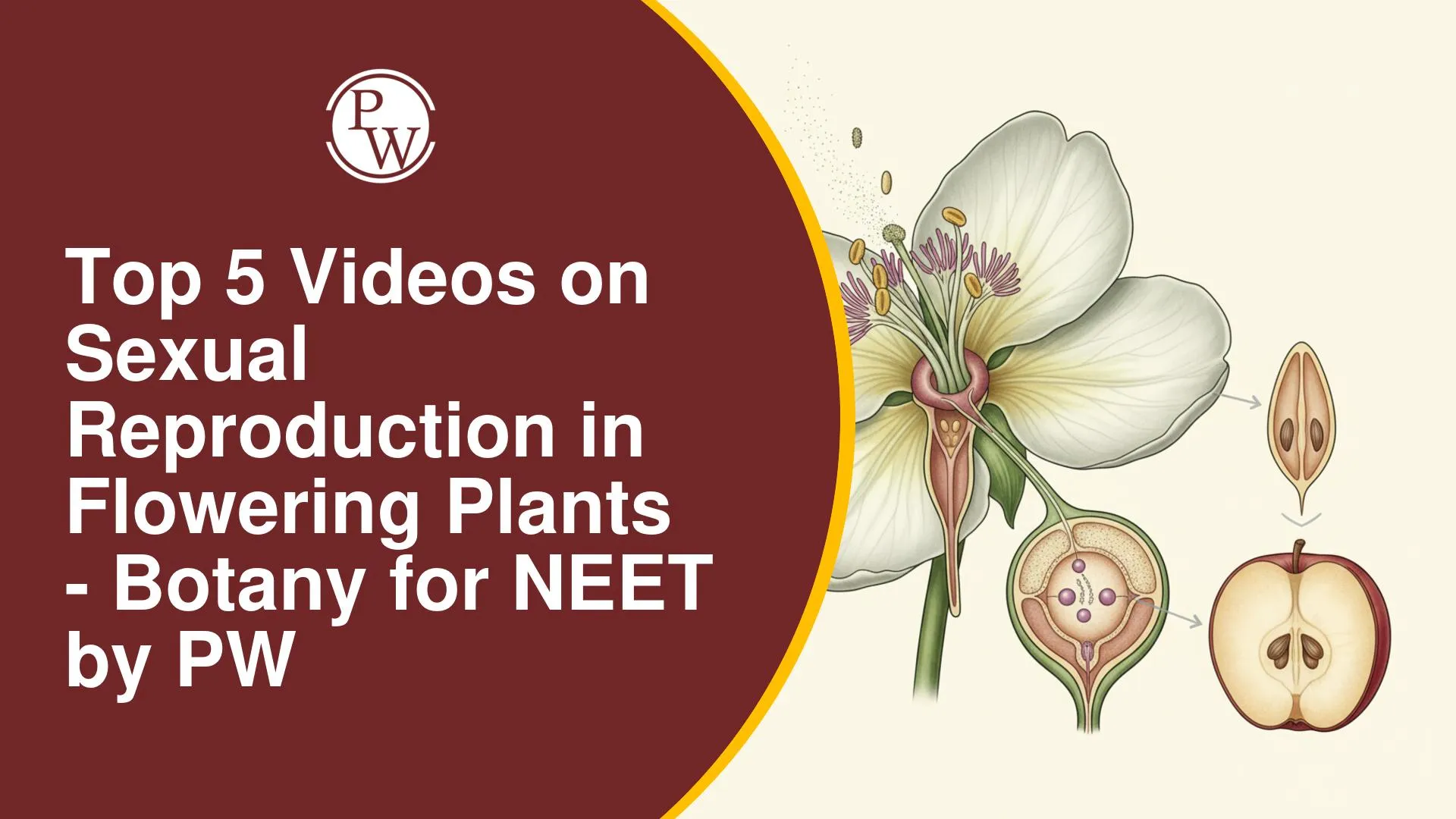
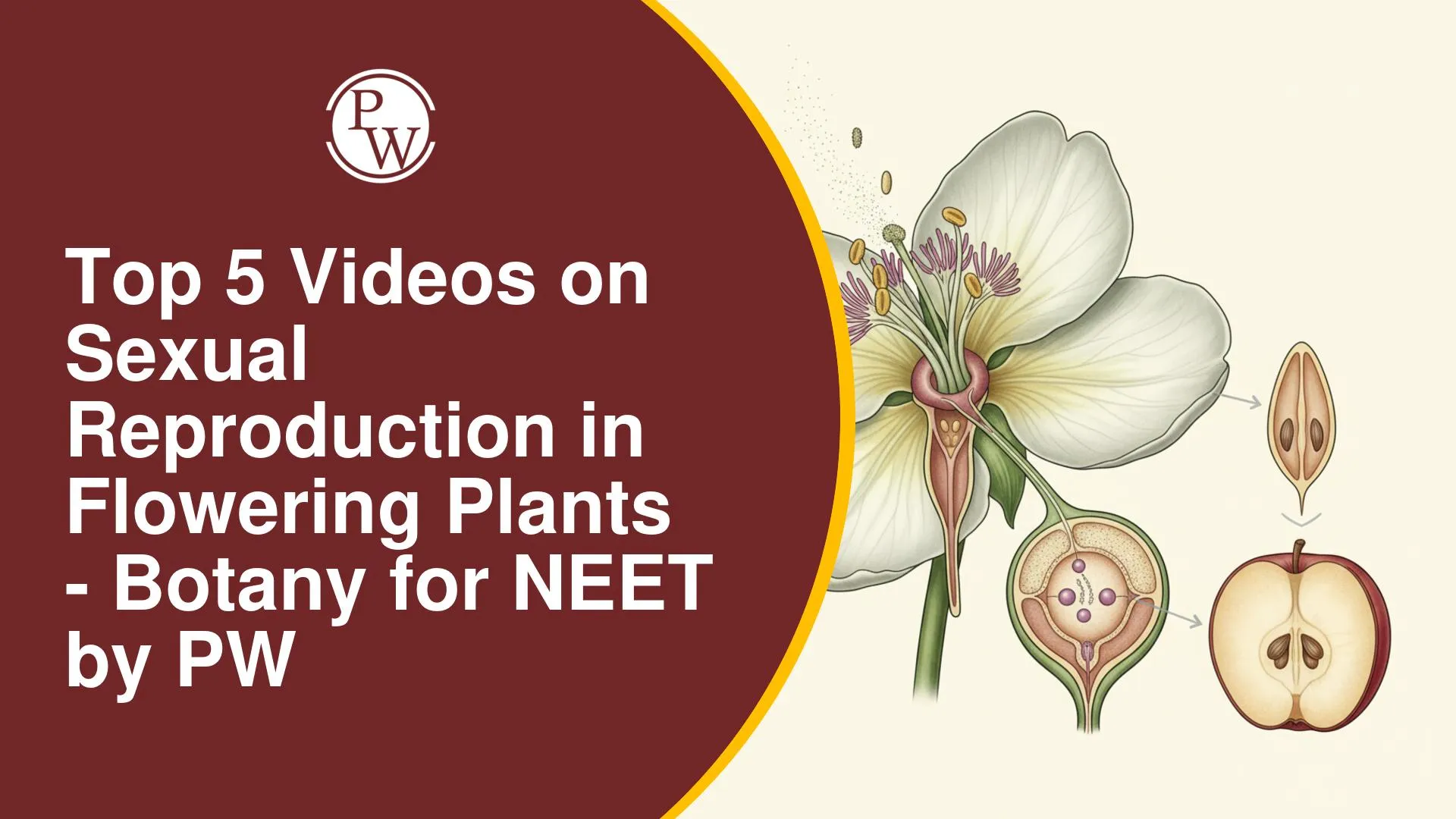
Sexual Reproduction in Flowering Plants can be difficult to revise because you need to remember several reproductive structures, processes, and NCERT-specific details. You may understand pollination and fertilisation individually but still mix up microsporogenesis and megasporogenesis, forget the sequence of post-fertilisation events, or struggle with questions on outbreeding devices and embryo development.
Physics Wallah YouTube videos help you connect these concepts through NCERT-based explanations, chapter revision, memory tricks, and previous-year questions (PYQs). You can revisit the stages of reproduction, compare related processes, and practise applying important facts to NEET-style questions.
Video 1: Cover Every Major NCERT Topic in One Complete Lecture
This video explains Sexual Reproduction in Flowering Plants from the basics, making this lecture useful when you need to revisit the chapter comprehensively. You will study flower formation, the stamen, anther, microsporangium, pollen grains, pistil, and embryo-sac formation. The lesson then covers pollination and its agents, self-pollination, outbreeding devices, pollen–pistil interaction, artificial hybridisation, and double fertilisation.
You need to work through the chapter from the beginning or check whether you have covered its major NCERT topics. Revisiting the concepts in sequence can help you connect reproductive structures with their functions and recall details more accurately during NEET practice.
Video 2: Revise Microsporogenesis, Megasporogenesis, and Fertilisation in 50 Minutes
This 50-minute revision lesson uses a mind-map approach to connect the chapter's main processes. You can revisit microsporogenesis and megasporogenesis, compare male and female reproductive development, and revise pollination, its agents, double fertilisation, and fruit and seed development.
Use this video after studying the chapter when you need a quick recap before a test. It is particularly useful for revising connected processes and checking your recall of major NCERT concepts within a limited study session. Pause at topics you find difficult and return to your notes for a more detailed review.
Video 3: Practise Chapter Concepts with Tricks and Previous-Year Questions
This one-shot video combines explanations of the main concepts with memory tricks and previous-year questions. You will revise flower formation and its parts, male and female reproductive structures, pollen grains, pollination types and agents, and outbreeding devices. The lesson also covers pollen tube formation, pollen–pistil interaction, double fertilisation, endosperm, embryo development, monocot and dicot seeds, and apomixis. The inclusion of PYQs helps you move from recalling facts to applying them in exam-style questions.
Choose this video to revise the chapter and practise questions in the same sitting. As you watch, try answering each question before checking the explanation. This can help you identify concepts that need another revision and improve your application of NCERT-based information.
Video 4: Connect Detailed Theory with PYQs Across the Chapter
This full-chapter lesson covers several NCERT concepts, including adaptations for sexual reproduction, flower formation, the stamen, microsporangium, pollen allergy and nutrition, and megasporogenesis. You will also revisit pollination, chasmogamy, cleistogamy, floral rewards and robbers, outbreeding devices, and artificial hybridisation. The lesson moves on to endosperm, seeds, and seed viability, followed by theory-based questions and PYQs for NEET preparation.
This video is useful when you need a connected review of both core concepts and smaller factual topics. Pay attention to distinctions between related terms, then attempt the questions without looking at your notes. This approach can help you identify gaps in NCERT recall and prepare for questions that combine more than one chapter concept.
Video 5: Recall Key Reproductive Processes with a One-Shot Revision
This one-shot video revisits sexual reproduction in higher plants, microsporogenesis, pollination, double fertilisation, and post-fertilisation events. It also discusses the advantages of seeds and includes tricks and previous-year questions to support concept recall and practice. By reviewing these major topics together, you can refresh your understanding of how reproductive processes lead to seed formation and connect the chapter's key ideas with NEET question patterns.
Use this video for a second or final revision after completing your NCERT reading. It can help you identify points that need further attention before a Biology mock test. For topics that remain unclear, return to your NCERT textbook or a detailed lecture instead of relying on a quick recap alone.
With these Physics Wallah videos, you can prepare Sexual Reproduction in Flowering Plants for NEET by revising reproductive structures, understanding pollination and double fertilisation, and practising previous-year questions. Choose a detailed lecture to strengthen your basics or a quick revision session to recall important NCERT points before a test. Combine video lessons with NCERT reading and question practice to identify weak areas, improve accuracy, and build confidence in NEET Botany.


Have questions about your prep?
Our experts can answer all your questions





 Live & recorded classes available at easeDashboard for progress trackingLakhs of practice questions


