
CBSE Board Exams 2026 – What’s New & How It Affects Students
CBSE Board Exams 2026 bring major changes: dual exams, digital on-screen marking, subject-wise expert evaluation, competency-based questions, and stricter security. These reforms reduce stress, ensure fair grading, and focus on practical understanding, keeping students updated and prepared.

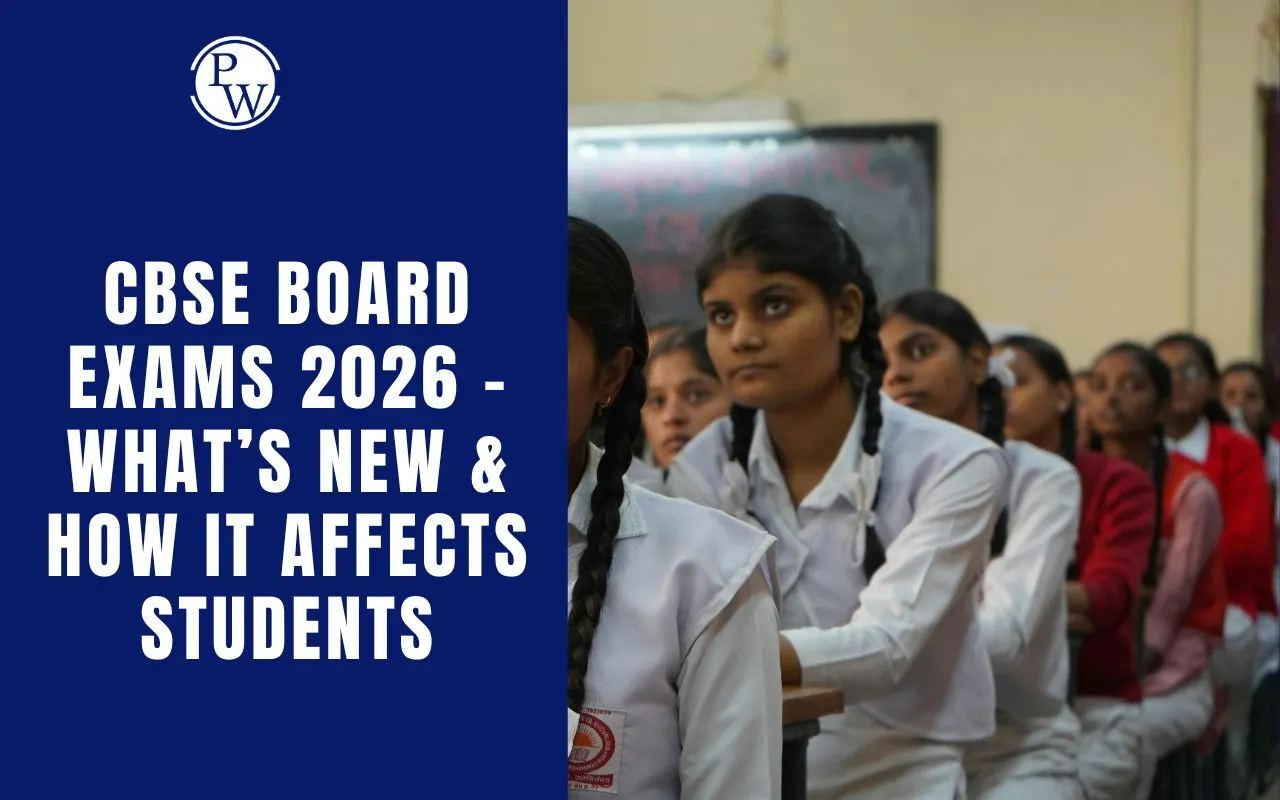
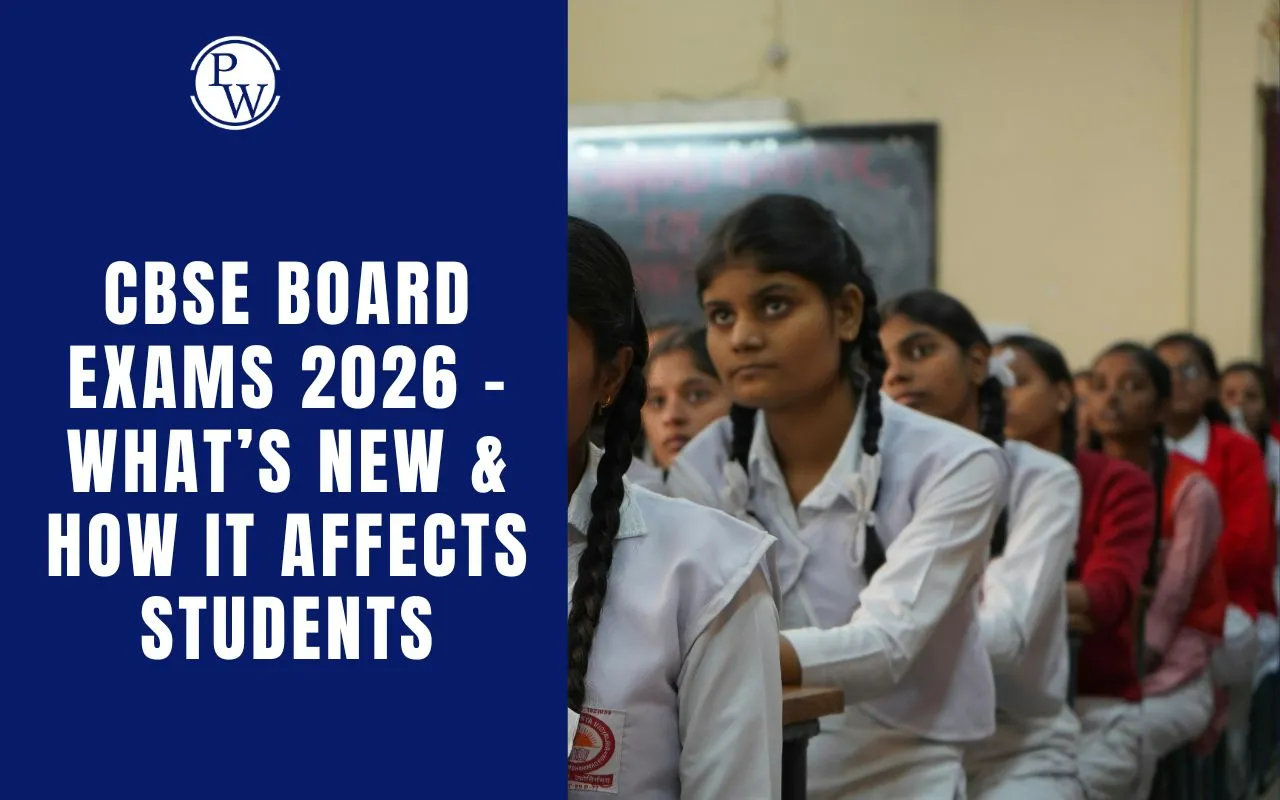
The educational landscape in India is undergoing a massive transformation. Following the latest CBSE announcements and live webcasts, the CBSE Board Exams 2026 will look fundamentally different from previous years. Driven by NEP 2020 reforms, these changes aim to reduce student stress while increasing the accuracy of results.
From dual board exams to the introduction of Class 12 On-Screen Marking, here is everything students, parents, and teachers need to know about the upcoming session.
The Arrival of Dual Board Exams: A Two-Shot Opportunity
One of the most significant NEP 2020 reforms being implemented is the transition toward holding board examinations twice a year.
-
The Intent: This move is designed to allow students to retain their best scores and reduce the "do-or-die" pressure of a single annual exam.
-
How it affects you: For the 2026 session, the schedule is expected to be "extremely tight." While this offers a second chance, it requires students to maintain a consistent level of preparation throughout the year rather than cramming at the end.
On-Screen Marking (OSM): No More Totalling Mistakes
In a revolutionary move for Class 12 board exams, CBSE is moving away from traditional red-pen checking to a digital interface.
-
Zero Error Results: By using Class 12 On-Screen Marking, the software automatically calculates totals. This eliminates the two most common student grievances: totalling errors and questions left unevaluated by mistake.
-
Randomized Evaluation: To ensure total fairness, answer books will be scanned centrally and distributed randomly via a secure server. An examiner will no longer receive a physical bundle from a specific school, ensuring an unbiased grading process.
Class 10 Board Exams: Subject-Specific Split Evaluation
For Class 10 students, the revised question paper format for Science and Social Science will bring a major change in how papers are checked.
-
The Change: Answer books for these subjects will now be split into sections.
-
Expert Grading: Instead of one teacher checking the entire paper, a Physics expert will check the Physics section, and a Biology expert will check the Biology section. This ensures that students are graded by true subject specialists, leading to more professional and accurate assessments.
Shift to Competency-Based Assessment
The CBSE 2026 exams are moving further away from rote memorization. The board is increasing the weightage of competency-based questions.
-
What to expect: Expect more case studies, assertion-reasoning questions, and real-life application scenarios.
-
Preparation Tip: Students should focus on understanding concepts rather than memorizing textbook definitions, as the 2026 papers will test the ability to apply knowledge in different contexts.
Enhanced Security and "No-Rumor" Policy
With the rise of social media misinformation, CBSE has issued a strict advisory regarding exam integrity.
-
CCTV & Frisking: All centers will now have mandatory CCTV coverage, with footage retained for three months to investigate any discrepancies.
-
Fake News Alert: The board has warned against "YouTube paper leaks" and viral rumors. Students are urged to follow only the official cbse.gov.in website for education updates in India.
Summary of Key CBSE 2026 Announcements
| Summary of Key CBSE 2026 Announcements | ||
| Feature | Change for 2026 | Benefit for Students |
| Exam Frequency | Transition to Dual Board Exams | Lower stress, best score counts |
| Evaluation | Digital On-Screen Marking (Class 12) | Eliminates calculation errors |
| Paper Checking | Split subject-specialist checking (Class 10) | Fairer, more accurate grading |
| Question Style | More Competency-Based Questions | Prepares students for competitive exams |
| Security | CCTV & Strict Electronic Ban | Ensures a level playing field |
The CBSE 2026 exam structure changes are designed to make the system "smarter" and more student-friendly. While the technology (moving from "pen in hand" to "mouse in hand" for examiners) is changing, the core syllabus remains your best friend. Stay updated with official circulars and embrace the digital shift for a more transparent result.


Have questions about your prep?
Our experts can answer all your questions