
CBSE Class 12 Exam 2026: How Many Expected to Appear? Check Competition
Around 20 lakh students are expected to appear for the CBSE Class 12 Board Exams 2026. With exams scheduled from February 17 to April 10, 2026, knowing the number of candidates and the exam framework can help students plan preparation in an organised manner.

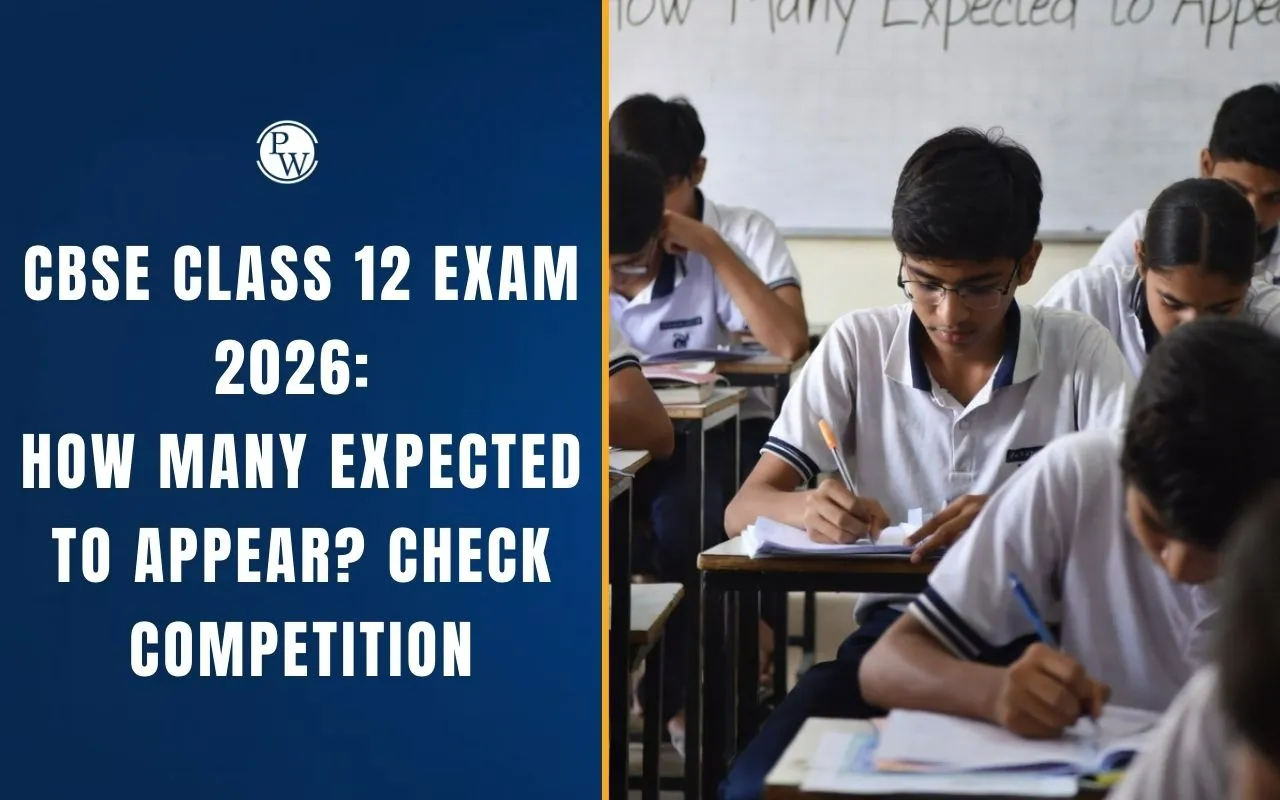
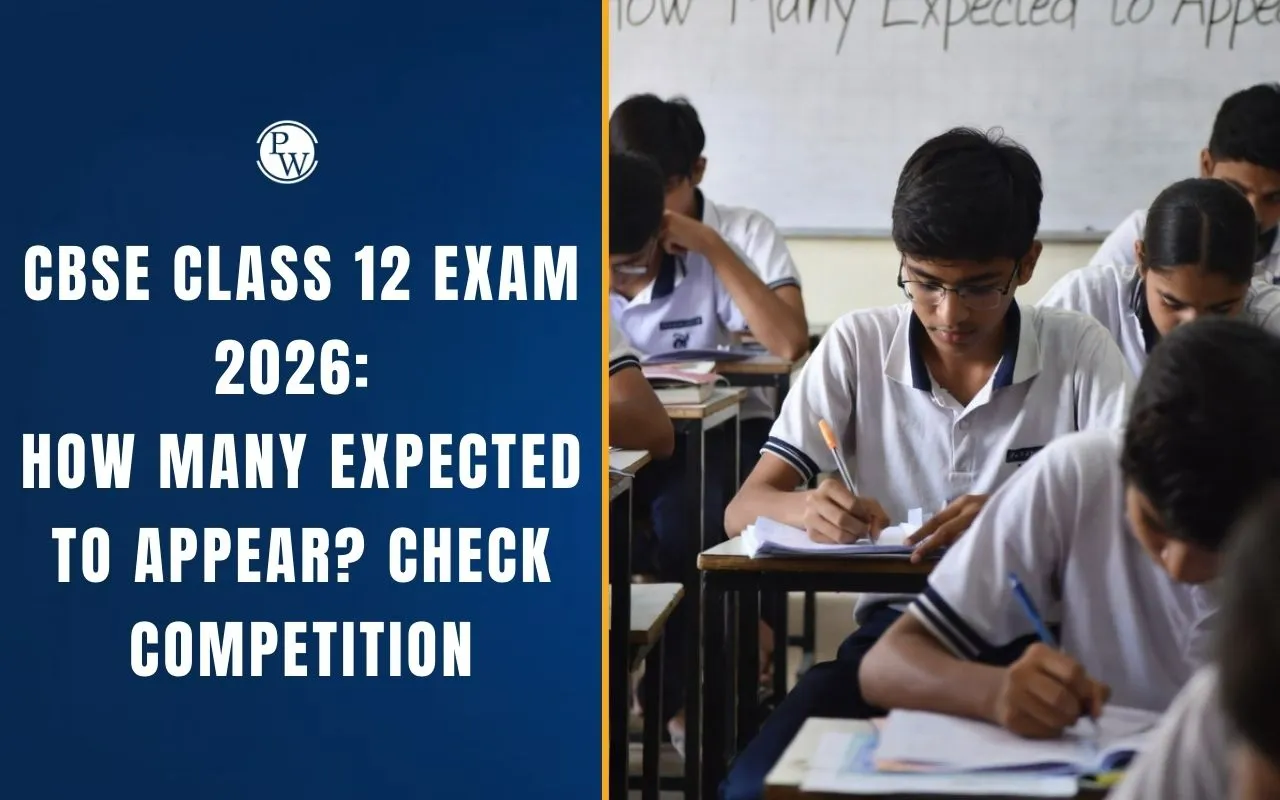
CBSE Class 12 Board Exam 2026 is an important academic stage for students across Science, Commerce, Humanities, and vocational streams. Every year, a large number of candidates appear for the examination from schools in India and abroad. Based on previous years’ trends, nearly 20 lakh students are expected to take the Class 12 exams in 2026. Awareness of student participation and exam scheduling helps students structure their study plans effectively.
How Many Students Will Appear for CBSE Class 12 Exams 2026?
According to CBSE, approximately 20 lakh Class 12 students are likely to appear for the CBSE Board Exams 2026. This includes candidates from all major streams and subject combinations.
Why Number of Candidates Matters
With a large number of students appearing for the examination, outcomes such as rankings, merit lists, and admission shortlisting are based on relative performance. Even small differences in marks can influence overall positioning, making steady preparation and accuracy important throughout the exam process.
CBSE Class 12 Date Sheet 2026: Key Highlights
CBSE has announced the Class 12 examination schedule for 2026. The board exams will be conducted from February 17 to April 10, 2026. Most theory examinations are expected to be held in a single shift, generally from 10:30 AM to 1:30 PM.
How Students Should Prepare Effectively
Students should adopt a structured approach that balances syllabus coverage, revision, and practice. Staying consistent and following a planned timetable can help manage multiple subjects efficiently.
Focus on NCERT-Based Preparation: NCERT textbooks remain the primary source for CBSE examinations. Clear understanding of concepts, diagrams, and examples from NCERT helps students align answers with the expected evaluation standards.
Practice Previous Year Question Papers: Solving previous year papers allows students to become familiar with the question format and marking scheme. It also helps in identifying frequently tested areas and improving time management during the exam.
Follow the Official Date Sheet: Planning revision according to the official schedule enables students to allocate sufficient time to each subject. A subject-wise approach helps maintain balance and reduces last-minute pressure.
Prioritise High-Weightage Topics: Focusing on chapters that carry higher marks can help students optimise their preparation. Combining this with full syllabus revision ensures readiness across all sections of the paper.


Have questions about your prep?
Our experts can answer all your questions