







AIIMS NORCET 9 Topper Disha Khatua Secures AIR 68 in Her First Attempt With PW
Disha Khatua secured AIR 68 in AIIMS NORCET 9 on her first attempt. From studying for just a few hours at first to focused preparation in the final months, she relied heavily on MCQ practice, consistent revision, and PW classes.
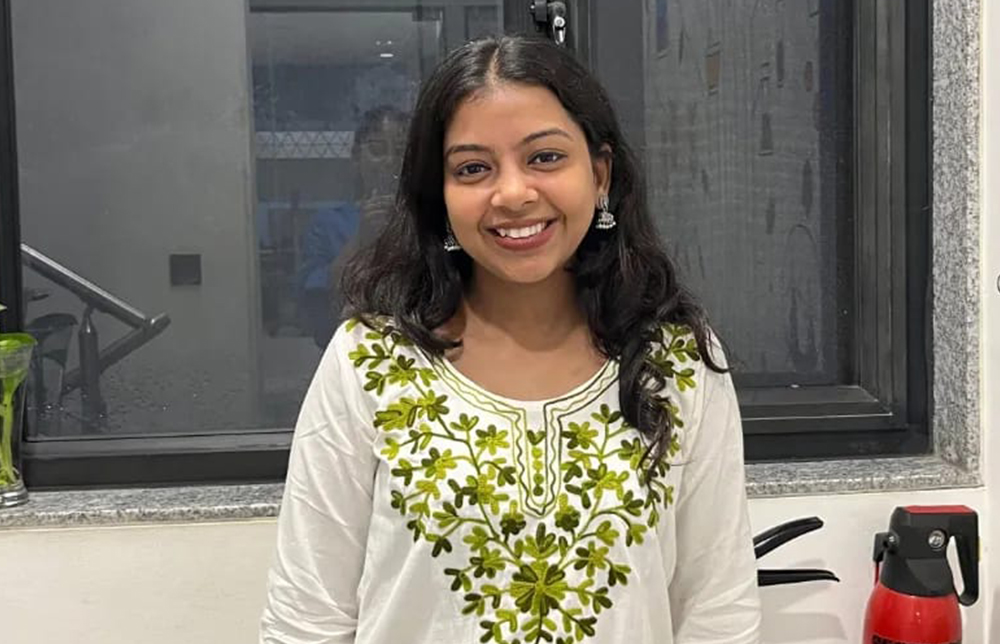


For Disha Khatua, AIIMS NORCET 9 was her first attempt at the exam, and she had only recently completed her BSc Nursing in 2024. Although she started preparing around January, her preparation became more serious from March-April onwards. With the exam approaching, she gradually shifted from studying for a few hours to putting in focused 10–12-hour study sessions.
What made her preparation stand out was not an elaborate note-making strategy but her focus on MCQ practice, regular classes, and consistency. Disha also kept her expectations realistic, thinking she might have to prepare again for the next attempt. Yet, after months of steady preparation and a stronger push in the final months, she secured AIR 68 in AIIMS NORCET 9.
Disha Khatua’s NORCET Journey Started With a Late Push
For Disha Khatua, AIIMS NORCET 9 was her first attempt at the exam. A 2024 nursing graduate from RG Kar Medical College, Kolkata, she began preparing around January but could only get into a consistent routine a little later. Initially, her preparation was limited to a few hours a day, and she was still figuring out how to approach the vast Nursing syllabus.
Her preparation became more focused closer to the exam. As NORCET 8 passed, Disha realised she needed to take her preparation more seriously. She gradually increased her study time and started balancing theory with regular MCQ practice.
“Pehle pehle starting mein utna achhe se nahi hota tha matlab main five to six hours shaayad padhti thi, utna bhi nahi shaayad, tab utna achhe se nahi hota tha. Phir last mein jab NORCET 8 aaya to NORCET 8 ke time mujhe laga haan ab to padhna padega NORCET 9 aa jaayega to isiliye us time pe maine achhe se matlab haan time laga ke padhai start ki.”
This shift became important in the final phase of her preparation. In the last two months, she was studying for around 10–12 hours a day and spending much of that time strengthening concepts through questions.
Disha Khatua Found Her Strategy in MCQs and Consistency
As Disha progressed, she realised that simply covering the theory was not enough. She began putting more emphasis on solving MCQs and used them to identify gaps in her understanding.
“Haan pehle pehle to bahut hi hota tha, matlab pehle utna achhe se maine theory nahi padha tha to lagta tha yahan se dekhoon, yahan se dekhoon. Matlab theory phir strong kiya, phir jab MCQ karti thi usse jo ration aata tha use achhe se dekhkar usse hi knowledge ko gain kiye, matlab knowledge ko badhaana padta hai.”
Instead of repeatedly switching between different resources, she gradually became comfortable with a limited set of study materials. She studied the theory first, followed it with MCQs, and marked questions that she got wrong so she could revisit them during revision.
Her approach also changed as the exam came closer. Rather than spending too much time making detailed notes, she relied on rough notes for important points and used video-based MCQ sessions for revision.
“Haan main wo mark karke rakhti thi, main alag pen se mark karke rakhti thi haan ye galat hua, phir upar number likh ke rakhti thi jahan is page mein itna saara question galat hua.”
This helped her focus her revision on the areas where she was actually making mistakes instead of starting everything from scratch.
Disha Khatua Used PW Classes to Strengthen Her Preparation
PW became a regular part of Disha’s preparation, particularly through its Aarogyam classes, MCQ sessions and marathon sessions. She followed lectures across subjects and found the question-based sessions especially useful during the final stretch.
“PW, PW mein Arogyam batch se main lecture dekhti thi — a YouTube se, a matlab jo MCQ session hota tha everyday, jo MCQ session hota tha main wo consistently dekhti thi, aapka bhi matlab OBG aur wo mujhe bahut helpful tha, wo uska lecture sab MCQ matlab bahut easy way mein aap samjhaati thi to wo mujhe bahut accha lagta tha.”
The flexibility of online classes also helped her manage her preparation according to her schedule. Since the lectures were recorded, she could watch them at her preferred time and often used faster playback to cover more content.
“Haan ek to wo recorded milta hai matlab main matlab mera time hisaab se main dekh sakti hoon online recorded waala, aur main matlab main 2x mein dekhti thi, sach mein matlab mera wahi habit ho gaya tha 2x mein dekhna.”
As the exam approached, marathon sessions became another important part of her revision. Disha recalls that several questions and concepts covered in these sessions were useful during the exam.
“Marathon session bhi maine matlab Mains ka Prelims ka sab kuch YouTube mein hi dekha tha, aap matlab saare faculties jo karwaa rahe the, question karwaa rahe the, matlab saari kuch na kuch matlab aa hi gaya exam paper mein.”
Disha Khatua Turned Consistency Into AIR 68
Even while preparing, Disha did not assume that she would clear NORCET 9 in her first attempt. She had already considered preparing again if the result did not go her way.
“Matlab wo to bahut baar hi laga jo haan nahi hoga nahi hoga shaayad is baar nahi hoga shaayad, matlab main ghar walon ko bhi bolti thi haan is baar nahi hoga aur next baar phir main dungi.”
But she continued preparing and did not allow those doubts to stop her efforts. On the exam day, she attempted 143 questions and scored 111 marks, eventually securing AIR 68.
Reflecting on her journey, Disha believes that consistency matters more than having a perfect preparation plan from day one.
“Matlab haan consistency agar maintain ho to ho jaayega... Roz padhte jaao ho hi jaayega, improve to hoga hi.”
Disha Khatua’s journey shows that preparation does not always begin with complete confidence or a perfect strategy. By gradually improving her routine, combining theory with MCQs and staying consistent, she turned her first NORCET attempt into an AIR 68 result.






Get Free Counselling Today
and Clear up all your Doubts
 Live & recorded classes available at easeDashboard for progress trackingLakhs of practice questions

