







Cracking BioLeague Phase 1 and NSEB Together: Om Tejas Sinha's Strategy with PW Olympiad
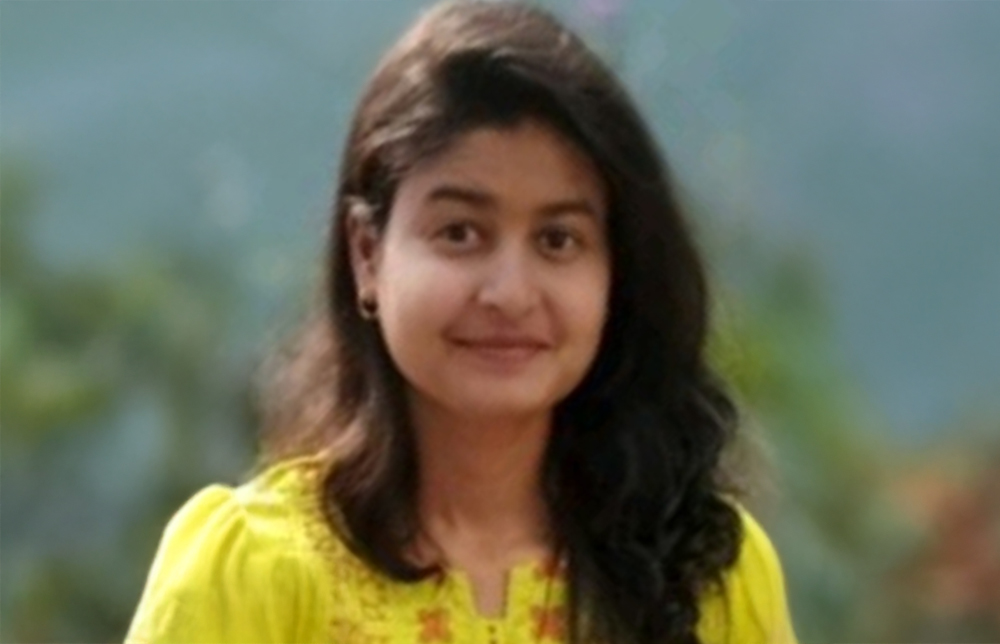
Balancing school, NEET preparation, and multiple Olympiads can feel overwhelming, especially when each exam seems to demand a different level of preparation. For many students, the biggest challenge is not knowing whether they can manage the workload, but finding a strategy that prevents preparation from becoming repetitive and unmanageable.
Om Tejas Sinha found a practical answer by building strong conceptual clarity instead of preparing for every exam separately. After clearing NSEB in Class 11 and qualifying BioLeague Stage 1, Om credits PW's Olympiad Wallah for giving him the right conceptual foundation and structured preparation strategy to manage both exams effectively.
How Om Tejas Sinha Started Building His Olympiad Base
Before BioLeague, Om's strategy began with NSEB, a foundation he built through PW's Olympiad Wallah after facing constant "out of syllabus" restrictions in regular school learning.
"11th maine pehli baar Olympiad Wallah ke saath juda aur NSEC aur NSEB ke batches join kiye jahan par aap zoology padhate the aur wo Bogambo sir botany padhate the. To wahan se like finally wo barrier hata ki tumhare syllabus mein ye nahi hai ye padhne ki jarurat ni hai."
This mattered strategically, instead of memorizing facts for a single exam, Om was now training on concepts without boundaries, which meant the same preparation could stretch across multiple Olympiads instead of starting fresh for each one.
"To wahan se phir kyunki Olympiad batches hai wahan par matlab hai hi nahi aisa kuch ki tumhare syllabus mein nahi hai. Hai to hai, question hai to hai."
This conceptual, no-boundary approach became the backbone of Om's ability to prepare for NSEB and later BioLeague without treating them as two separate, disconnected efforts.
The Real Challenge of Om Tejas Sinha: Is It Even Feasible to Do Both?
The biggest question Om says most students ask before attempting multiple Olympiads isn't about difficulty — it's about time.
"Ek sabse badi problem jo maximum bachche poochte hain, specially Olympiad ke liye jab taiyari chalu karte hain. Sir ye hamse hoga pehli cheez. Doosra ki is it feasible as in in context to time management. Ki is it feasible ki hum Olympiad ki bhi taiyari kar len, NEET ki bhi taiyari kar len, saath mein school bhi manage kar len. Kya ye feasible hai?"
Instead of a generic motivational answer, Om used his own preparation timeline as evidence — a strategy rooted in realism, not assumption.
"Unhe main apna hi case bata kar bolta hoon. Practicality mein theoretical kuch nahi. Maine NSEB ko qualify karne ke liye ant ke like teen mahine padha tha aur din mein sirf do-teen ghante time deta tha aur usse mera NSEB crack ho gaya tha."
This became the core of Om's strategy: proving through his own limited daily hours that multiple Olympiad preparation doesn't need overwhelming time — it needs consistent, focused effort.
How to Crack BioLeague Phase 1 and NSEB Together: Om Tejas Sinha's Strategy
Om's method for handling NSEB and BioLeague together wasn't about separate syllabi — it was about one shared skill: conceptual depth that applied across exams.
"Agar you want to like have an open mind, ek conceptual dimag chahiye aapko ki agar kabhi twisted question in case aa jata hai NEET mein to wo aap usse easily tackle kar lo agar aap NSEB clear kiye hue ho. Jo aapko high conceptual clarity hoti hai."
This is where Om's strategy becomes clear — NSEB wasn't just a separate achievement, it directly fed into his readiness for BioLeague and even NEET-level questions, because the underlying skill (concept over memorization) was transferable.
"Jab main 11th mein itna time nikaal kar NSEB crack kar sakta hoon to baaki students jo bhi like nau 10th mein hai unke paas to time hi time hai wo kaise nahi kar sakte."
For BioLeague specifically, Om carried the same structured habit forward — going through modules, solving previous year questions, and building readiness systematically rather than cramming close to the exam.
"Alag-alag modules aur questions karna chalu kar diya hai... PYQ solve kar liye already saare to kaafi had tak ready hi hoon main."
Result of Om Tejas Sinha Hard work: NSEB Cleared, BioLeague Stage 1 Qualified
The payoff of this layered strategy — conceptual prep through NSEB feeding directly into BioLeague readiness — shows in Om's results.
"Phir itna properate kiya, knowledge ab tak badha aur NSEB nikala maine class 11 mein aur abhi main yahan par hoon is saal bhi Olympiad."
Om is now actively preparing for BioLeague Stage 2, applying the same systematic approach of modules and PYQs that carried him through NSEB.
"Haan Stage 2 ke liye taiyariyan chal rahi hai sir saare... alag-alag modules aur questions karna chalu kar diya hai."
And when it comes to whether this dual-exam approach is realistic for other students, Om is direct about where the real barrier lies — not in the workload, but in hesitation before starting.
"Doable. Unnecessarily mujhe lagta hai ki bachche pehle hi soch karke dar jaate hain kyunki unhone kiya nahi hota hai. Hai na? Wo static friction jo hota hai wo zyada hota hai. Ek baar rolling hone ke baad..."
Om's strategy for cracking NSEB and BioLeague Stage 1 together wasn't about doing more, it was about building one strong conceptual base through PW's Olympiad Wallah and letting it work across exams. For students hesitant about juggling multiple Olympiads with school, his own timeline, just 2-3 hours a day for three months, is proof that the real obstacle isn't time, it's the fear of getting started.





Get Free Counselling Today
and Clear up all your Doubts
 Live & recorded classes available at easeDashboard for progress trackingLakhs of practice questions

