






Global Economic Landscape: Navigating Uncertainty
 Aditi Tiwari331 Jul, 2026
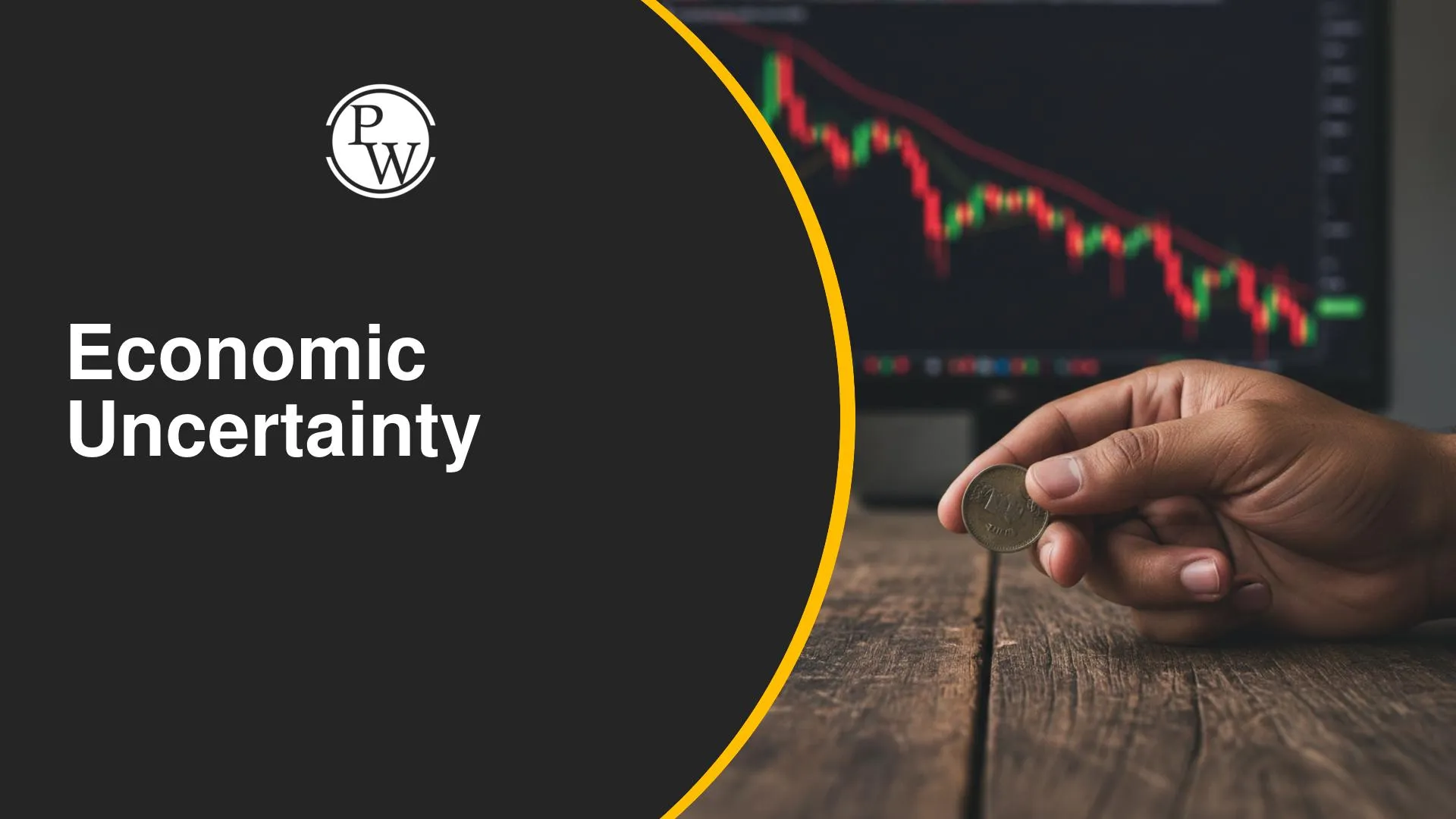
The global economic outlook for early 2025 presents a mix of hope and challenges. While conditions improve in some areas, economic uncertainty persists. Most economists expect short-term stability. However, many anticipate worsening conditions over strengthening ones. This period reflects a complex blend of global economic trends.
Current Economic Overview
This section discusses the prevailing global economic conditions and future projections.
The 2024 economic performance saw a global decrease in inflation. The economy remained resilient throughout this disinflationary process. Looser monetary policy and easing inflation offer some optimism. Yet, slow growth and political instability put many countries at risk of shocks. The International Monetary Fund (IMF) projects 3.2 percent growth for 2025. Some economies, especially low-income ones, face downward growth revisions. This indicates an ongoing economic uncertainty example for developing regions.
Persistent Inflationary Pressures
This part explains where price increases continue to be a concern in the global market.
Despite a comparatively steady outlook, price pressures continue in many economies. Inflation remains particularly high in services. It is almost twice pre-pandemic levels. Low-income countries are disproportionately affected by rising prices. This is due to elevated food costs. Supply disruptions, climate shocks, and regional conflicts influence these prices. Geopolitical tensions also play a role.
Business and Employer Concerns
This section highlights the main worries of companies regarding future economic trends.
Companies expect economic pressures to drive significant transformation. The rising cost of living is a top concern for employers. Half of all surveyed employers expect it to cause transformation, making it a key trend. Slower economic growth is also a major worry. 42% of respondents anticipate its impact on operations. For an economic uncertainty synonym like market volatility, businesses must adapt their strategies.
Regional Economic Disparities
This segment details how economic concerns differ across various global regions.
Views on inflation and economic growth vary significantly by region. In Sub-Saharan Africa, six in ten respondents cite inflation as a key factor. In Eastern and South-Eastern Asia, slower economic growth is seen as the more important issue. This highlights diverse regional challenges. Stricter anti-trust and competition regulations are a lower priority overall. However, they are expected to impact one in six employers globally. Navigating this complex global situation is key for stability.
| Economic Trend | Key Insights |
| Global Economic Outlook (2025) | The global economy shows cautious optimism with easing inflation and looser monetary policy, although economic uncertainty remains due to slow growth and geopolitical risks. |
| IMF Growth Forecast | The International Monetary Fund (IMF) projects 3.2% global economic growth for 2025, with weaker outlooks for several low-income economies. |
| Persistent Inflation | Inflation remains elevated in the services sector, while low-income countries continue to face high food prices driven by supply disruptions, climate events, and geopolitical conflicts. |
| Employer Concerns | The rising cost of living is expected to transform businesses according to 50% of employers, while 42% expect slower economic growth to significantly affect operations. |
| Regional Differences | Inflation is the primary concern in Sub-Saharan Africa, whereas slower economic growth is viewed as the bigger challenge in Eastern and South-Eastern Asia. |
| Business Implications | Organizations are expected to strengthen resilience by adapting to market volatility, inflationary pressures, and evolving regulatory and geopolitical environments. |
| Also Read | |
| Robotics Engineer Salary 2025 | Strategic Decision-Making with Online MBA |
| HRM & Retail Hiring Trends | MBA in Operations & Business Analytics |
FAQs on Economic Outlook
What is the current global economic outlook?
Why does inflation persist in some economies?
What are major concerns for businesses in early 2025?
How do economic concerns differ regionally?
What factors contribute to high food prices globally?




 Live & recorded classes available at easeDashboard for progress trackingLakhs of practice questions


