






Bridging the Skills Gap with an MSW Degree
 Aditi Tiwari322 Jul, 2026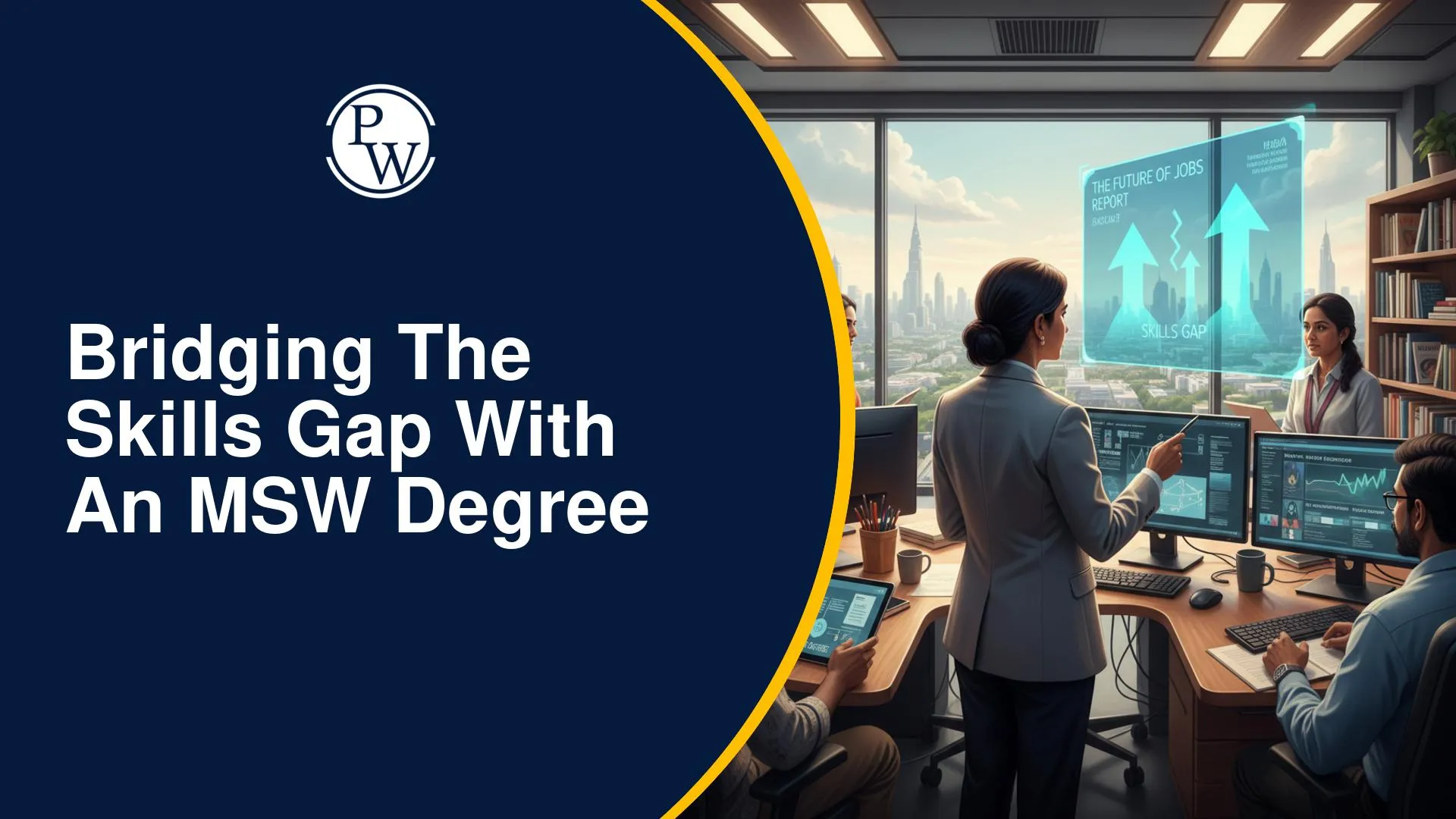
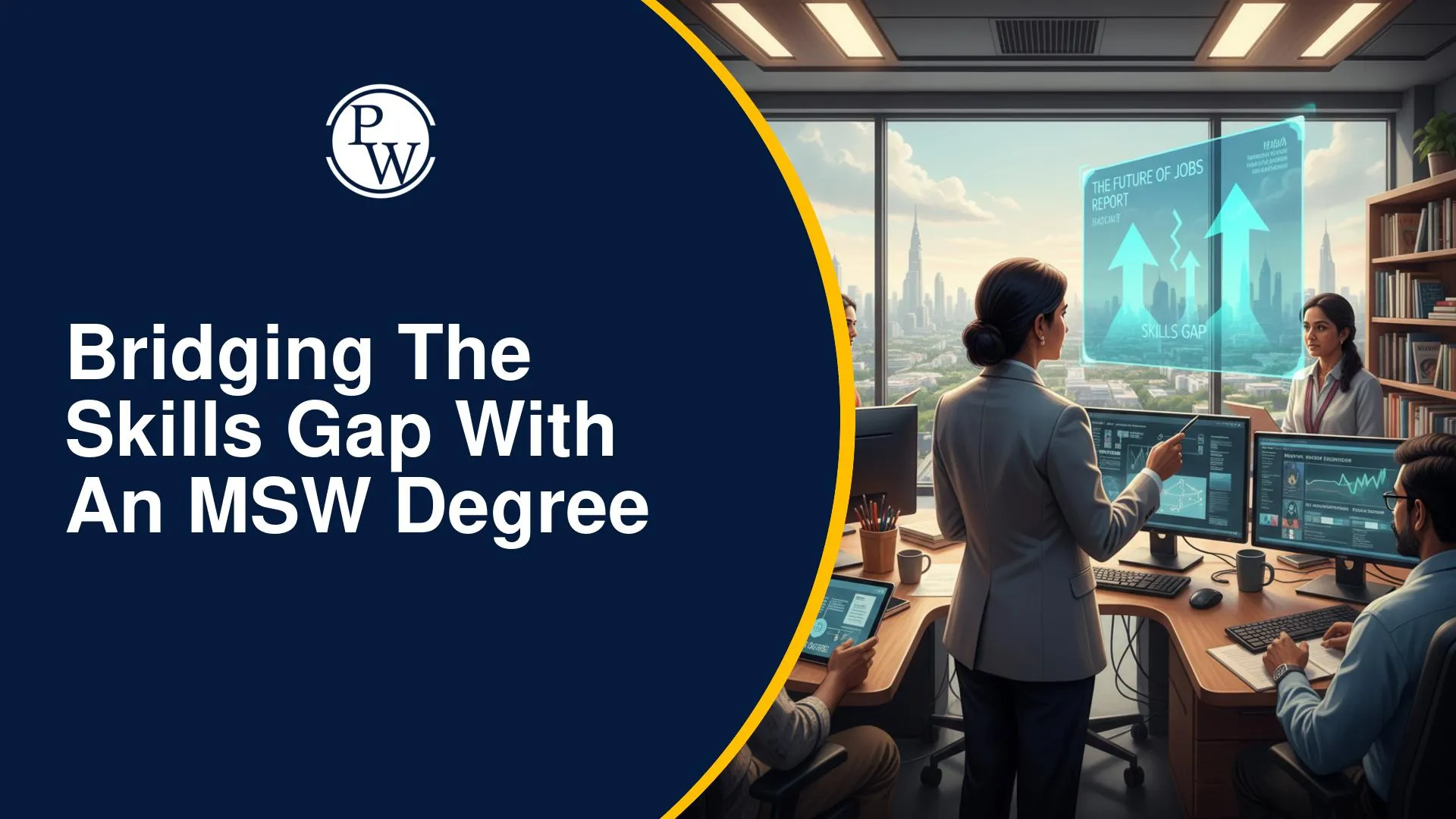
The World Economic Forum's Future of Jobs Report 2025 provides a vital outlook on global employment trends and skill demands. This report helps students and professionals understand the evolving job landscape. Understanding what this Future of Jobs Report 2025 reveals about the skills gap an MSW online degree fills is crucial. It details key competencies workers need to thrive in the next five years.
Key Findings on Skill Disruption
This section describes how quickly worker skills are changing. It also highlights the role of continuous learning in adapting to these changes. Employers anticipate 39% of core worker skills will change by 2030. This marks a decrease from 44% in 2023.
This stabilization, though at a high level, suggests better adaptation by employers. A growing focus on continuous learning, upskilling, and reskilling programs contributes to this trend. About 50% of the workforce now completes training as part of long-term learning strategies.
Core Skills for Today's Workforce
This section lists the essential skills employers value most today. It shows a balance between cognitive, personal, and interpersonal abilities.Analytical thinking remains the top core skill, cited by 7 out of 10 companies. Other essential skills include resilience, flexibility, agility, leadership, and social influence.
Creative thinking and motivation, along with self-awareness, also rank high. These emphasize the need for an agile, innovative, and collaborative workforce. Skills like technological literacy, empathy, active listening, and curiosity are also important.
Skills on the Rise by 2030
This section details the skills projected to grow most in importance in the coming years. Technological and human-centered skills are both seeing significant increases.Technological skills are increasing rapidly. AI and big data, networks and cybersecurity, and technological literacy lead this rise. Creative thinking, resilience, flexibility, and agility are also becoming more important.
Curiosity and lifelong learning, leadership and social influence, and analytical thinking also rank among rising skills. Conversely, manual dexterity and basic reading, writing, and mathematics skills show a net decline in importance.
Drivers of Skill Transformation
This section explains the main factors shaping future skill requirements. Technology, global events, and demographic shifts all play a role.Technological advancements, particularly AI and digital expansion, drive demand for AI and big data, cybersecurity, and analytical thinking. Geoeconomic fragmentation and economic uncertainty increase the need for resilience, flexibility, and agility.
They also boost creative thinking. The green transition emphasizes environmental stewardship skills. Demographic shifts highlight the importance of talent management, empathy, and active listening.
Bridging the Skills Gap: An MSW Online Degree Focus
This section explains how an MSW (Master of Social Work) online degree addresses many identified skill needs. It particularly focuses on human-centered competencies. An MSW online degree directly addresses many skills gaps highlighted by the Future of Jobs Report 2025. It develops critical human-centered skills.
These include empathy and active listening, leadership and social influence, and resilience, flexibility, and agility. MSW programs foster strong analytical thinking and problem-solving abilities within complex social contexts. These programs also enhance motivation, self-awareness, and a commitment to lifelong learning. These attributes are vital for navigating an evolving job market and complement technological expertise.
Training and Upskilling Strategies
This section covers how organizations are preparing their workforce for future demands. It details current training trends and future needs.About 50% of the global workforce has completed training as part of learning initiatives. This is an increase from 41% in 2023.
Industries like Telecommunications and Information Technology Services expect continued significant training needs. Employers predominantly fund their own training programs. They also rely on free training and government support. Expected outcomes include enhanced productivity and improved competitiveness.
| Key Highlights | |
| Worker Skills Changing by 2030 | 39% of core worker skills are expected to change by 2030. |
| Continuous Learning | Around 50% of the global workforce now participates in training and lifelong learning initiatives. |
| Top Core Skill | Analytical thinking remains the most in-demand skill among employers. |
| Fastest-Growing Skills | AI & Big Data, Cybersecurity, Technological Literacy, Creative Thinking, and Resilience. |
| Major Drivers of Skill Transformation | AI adoption, digital expansion, green transition, economic uncertainty, and demographic shifts. |
| How an MSW Online Degree Helps | Builds empathy, leadership, resilience, analytical thinking, problem-solving, and lifelong learning skills aligned with future workforce needs. |
| Employer Upskilling Focus | Organizations continue investing heavily in workforce training to improve productivity and competitiveness. |
FAQs
What is the World Economic Forum's Future of Jobs Report 2025?
What percentage of core skills are expected to change by 2030?
What are the top core skills identified in the report?
Which skills are on the rise for 2025-2030?
How does an MSW online degree address future skill gaps?




 Live & recorded classes available at easeDashboard for progress trackingLakhs of practice questions


